10 Superfoods You Should Be Cooking With Every Week (And Exactly How to Use Them)
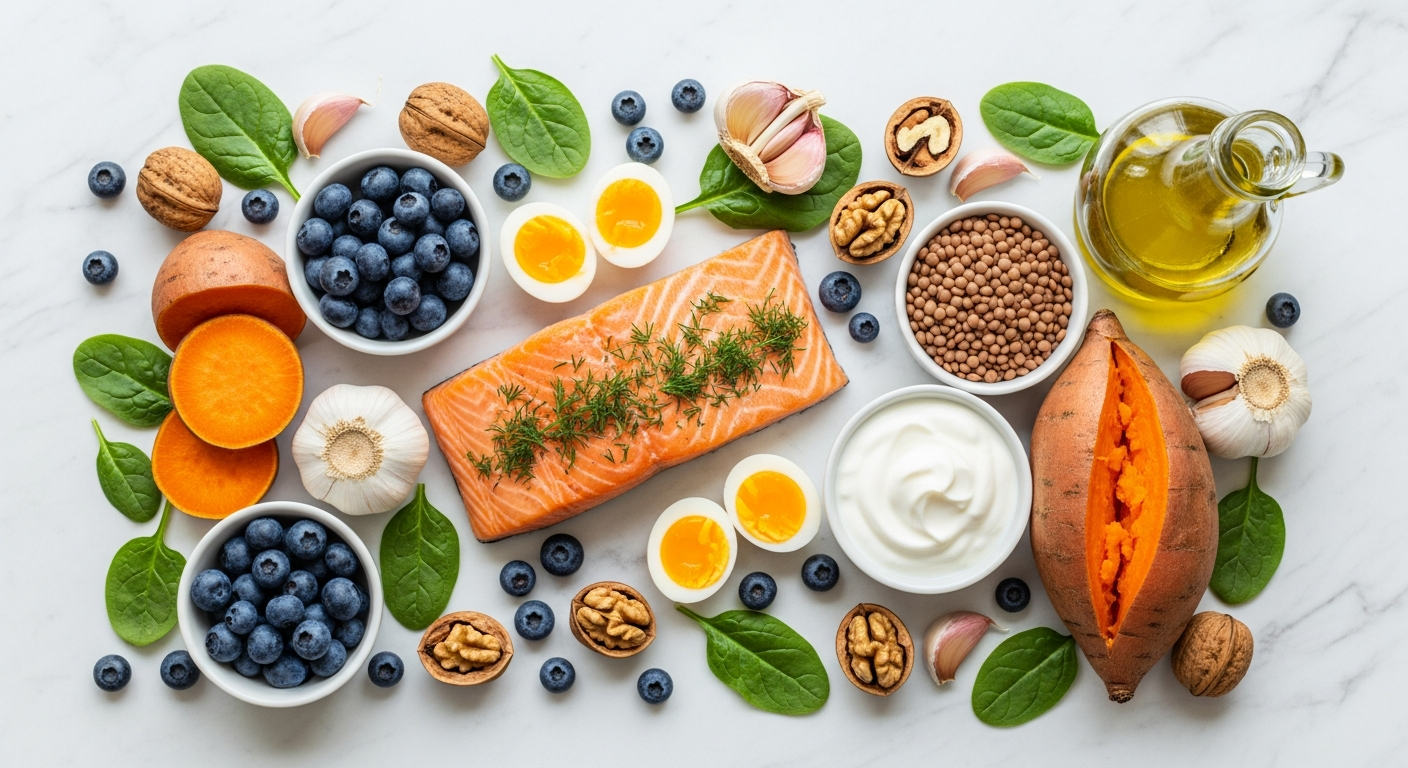
Superfoods do not have to be exotic powders that cost $40 a bag. These 10 everyday ingredients are nutritional powerhouses you can find at any grocery store — and we will show you exactly how to cook with them.
What Actually Makes a Food "Super"? The word "superfood" gets thrown around so frequently that it has lost almost all meaning. Exotic berries from the Amazon, seaweed powders from Japan, mushroom extracts from the Himalayas — the wellness industry loves to make nutrition feel complicated and expensive. But real nutritional science tells a different story. The most nutrient-dense foods on the planet are mostly humble, affordable, and available at your corner grocery store. You do not need a specialty health food shop or a second mortgage to eat well. You just need to know which everyday foods pack an extraordinary nutritional punch — and how to actually cook them. Here are the 10 superfoods worth adding to your weekly rotation, along with practical, delicious ways to use each one. 1. Blueberries Blueberries are one of the most antioxidant-rich foods on Earth. They are loaded with anthocyanins (the pigments that make them blue), which have been linked to improved brain function, reduced inflammation, and lower blood pressure. A single cup contains just 84 calories but delivers 24% of your daily vitamin C and significant amounts of vitamins K and B6. How to use them: Toss fresh blueberries into overnight oats or Greek yogurt. Blend frozen blueberries into smoothies. Fold them into pancake batter. Make a quick blueberry compote to spoon over waffles, pork chops, or even grilled salmon. 2. Leafy Greens (Spinach, Kale, Swiss Chard) If you could only eat one category of food for the rest of your life and still maintain excellent health, leafy greens would be the choice. They are packed with vitamins A, C, K, and folate, plus iron, calcium, and powerful phytonutrients. Kale alone contains more calcium per calorie than milk. How to use them: Baby spinach wilts into pasta, scrambled eggs, or soups in under 60 seconds — it essentially disappears into dishes and adds zero flavor impact. Kale stands up to heat better; massage it with olive oil and salt to soften the leaves for salads, or roast it into chips. Swiss chard is excellent sautéed with garlic, lemon, and white beans. 3. Salmon Fatty fish like salmon is one of the richest dietary sources of omega-3 fatty acids, which are essential for brain health, heart health, and reducing chronic inflammation. A 3-ounce serving of wild-caught salmon delivers about 2 grams of omega-3s, plus 25 grams of high-quality protein and massive amounts of B vitamins, selenium, and potassium. How to use it: A simple sheet pan salmon with roasted vegetables takes 20 minutes. Salmon fillets can be poached, pan-seared, grilled, baked, or used in fish tacos. Canned wild-caught salmon is an affordable everyday alternative — use it in salmon patties, pasta, or simple rice bowls. 4. Eggs Eggs were unfairly demonized for decades because of their cholesterol content, but current nutritional science has largely rehabilitated their reputation. Eggs are one of the most complete protein sources available, containing all nine essential amino acids. They are also rich in choline (critical for brain health), lutein and zeaxanthin (important for eye health), and vitamins D and B12. How to use them: The obvious answer is breakfast — scrambled, poached, fried, baked. But eggs also anchor grain bowls, make the best quick dinners (shakshuka, frittata, fried rice), and serve as the binding agent in dozens of recipes. A carton of eggs in the fridge means you are never more than 10 minutes from a good meal. 5. Walnuts Among all tree nuts, walnuts stand out for their exceptional omega-3 content. Just one ounce (about a small handful) delivers 2.5 grams of plant-based omega-3s, along with copper, manganese, magnesium, and powerful antioxidants. Studies suggest regular walnut consumption is associated with reduced cardiovascular disease risk and improved gut microbiome diversity. How to use them: Eat them as a snack. Toast them lightly and add to salads, grain bowls, or yogurt. Blend them into pesto as a substitute for pine nuts. Chop and fold into banana bread, brownies, or oatmeal cookies. Walnut "meat" (pulsed in a food processor with cumin, smoked paprika, and garlic) is a surprisingly convincing ground meat substitute for tacos. 6. Sweet Potatoes Sweet potatoes are one of nature's best sources of beta-carotene, which the body converts to vitamin A. A medium sweet potato provides over 100% of your daily vitamin A needs, along with significant vitamin C, potassium, and fiber — all for around 100 calories. How to use them: Roast cubed sweet potatoes at high heat with olive oil, salt, and smoked paprika as a side dish or salad topping. Bake whole and top with black beans, cheese, and salsa for an easy weeknight dinner. Mash with butter and a touch of cinnamon. Slice into rounds and use as the base for loaded sweet potato "nachos." 7. Greek Yogurt Greek yogurt has nearly twice the protein of regular yogurt (about 17–20g per cup versus 9g) and is packed with probiotics that support gut health. It is also a good source of calcium, iodine, and B12. Plain, full-fat Greek yogurt is the most nutritionally complete option. How to use it: Use it as a 1:1 replacement for sour cream in dips, tacos, and baked potatoes. Swap half the mayo in coleslaw or potato salad. Use it as the base for marinades and sauces — it tenderizes chicken beautifully. Mix it with cucumber and dill for a quick tzatziki. Layer it with fruit and granola for a breakfast parfait. 8. Lentils Lentils are one of the most nutritionally efficient foods in existence: cheap, fast-cooking (no overnight soaking required), and loaded with plant-based protein (18g per cup cooked), fiber (16g per cup), iron, folate, and manganese. They are a staple food in many of the world's healthiest cuisines for good reason. How to use them: Red lentils dissolve when cooked and make a velvety, deeply satisfying soup in 20 minutes. Green and brown lentils hold their shape and are excellent in salads, tacos, shepherd's pie, or stuffed peppers. French green lentils (Puy lentils) have an earthy, peppery flavor and make a beautiful warm side dish with mustard vinaigrette and roasted vegetables. 9. Garlic Garlic has been used as both food and medicine for thousands of years, and modern science has backed up many of its traditional health claims. The active compound allicin — formed when garlic is chopped or crushed — has demonstrated antimicrobial, anti-inflammatory, and immune-boosting properties. Studies also link regular garlic consumption to improved cholesterol levels and reduced blood pressure. How to use it: Use it in virtually everything savory. The best tip: let minced garlic sit for 5–10 minutes after chopping before cooking — this allows more allicin to form. Roasted whole garlic heads (wrapped in foil with olive oil at 400°F for 45 minutes) develop a sweet, mellow, spreadable paste that is incredible on bread or stirred into mashed potatoes and sauces. 10. Olive Oil Extra-virgin olive oil is the cornerstone of the Mediterranean diet, which has more clinical evidence supporting its health benefits than virtually any other dietary pattern in the world. It is rich in oleocanthal (a natural anti-inflammatory compound), monounsaturated fats, and antioxidant polyphenols. Research consistently links regular EVOO consumption to reduced risk of heart disease, stroke, and certain cancers. How to use it: Use it for sautéing, roasting, and drizzling over finished dishes. Contrary to popular belief, extra-virgin olive oil is stable enough for most home cooking methods — it just should not be used for very high-heat deep frying. A generous drizzle of good olive oil over a bowl of soup, a plate of hummus, or a piece of grilled fish elevates the entire dish. The Simple Takeaway You do not need to overhaul your diet overnight. Just start adding one or two of these foods to meals you already make. Throw spinach into your next pasta. Swap butter for olive oil in your sauté pan. Grab a handful of walnuts instead of chips. Small, consistent changes compound over time into genuinely better health — and significantly better meals. Conclusion Adding nutrient-rich foods to your weekly cooking does not require a complete dietary overhaul or an expensive grocery haul. The most impactful shift is simply becoming intentional — choosing ingredients that work harder for your health while still tasting delicious. Start with one or two new superfoods per week, find preparations you genuinely enjoy, and build from there. Sustainable healthy eating is always about consistency over perfection. For more inspiration, browse our healthy recipe collection or discover easy healthy ground beef recipes that pack serious nutrition into every meal. Frequently Asked Questions Do I need to eat superfoods every day? No — dietary variety is more beneficial than daily consumption of specific "superfoods." What matters most is eating a wide range of whole, minimally processed foods across the week. The ingredients in this guide are valuable precisely because they are versatile, affordable, and easy to include regularly without obsession. Are superfoods expensive? Not necessarily. Kale, eggs, canned salmon, lentils, oats, and frozen blueberries are among the most nutrient-dense foods available — and some of the most affordable at any grocery store. The most powerful nutritional investments are often the cheapest ones on the shelf. Can I get the same benefits from supplements as from whole foods? Whole foods are generally superior to supplements for most people. Food contains synergistic compounds — fiber, phytonutrients, and cofactors — that supplements do not replicate. Consult a healthcare provider to determine whether specific supplements are appropriate for you based on bloodwork and individual needs. How do I get my family to eat more nutritious foods? The most effective strategy is gradual integration rather than abrupt substitution. Add spinach to pasta sauces, blend kale into smoothies, and mix seeds onto foods people already enjoy. Invisible integration almost always succeeds where sudden dietary changes create resistance.