Batch Cooking Meal Prep Tips: Save Time, Eat Better, Spend Less
Master batch cooking with proven tips that turn two Sunday hours into five days of ready meals. Learn what to cook, how to store it, and how to build a sustainable system.
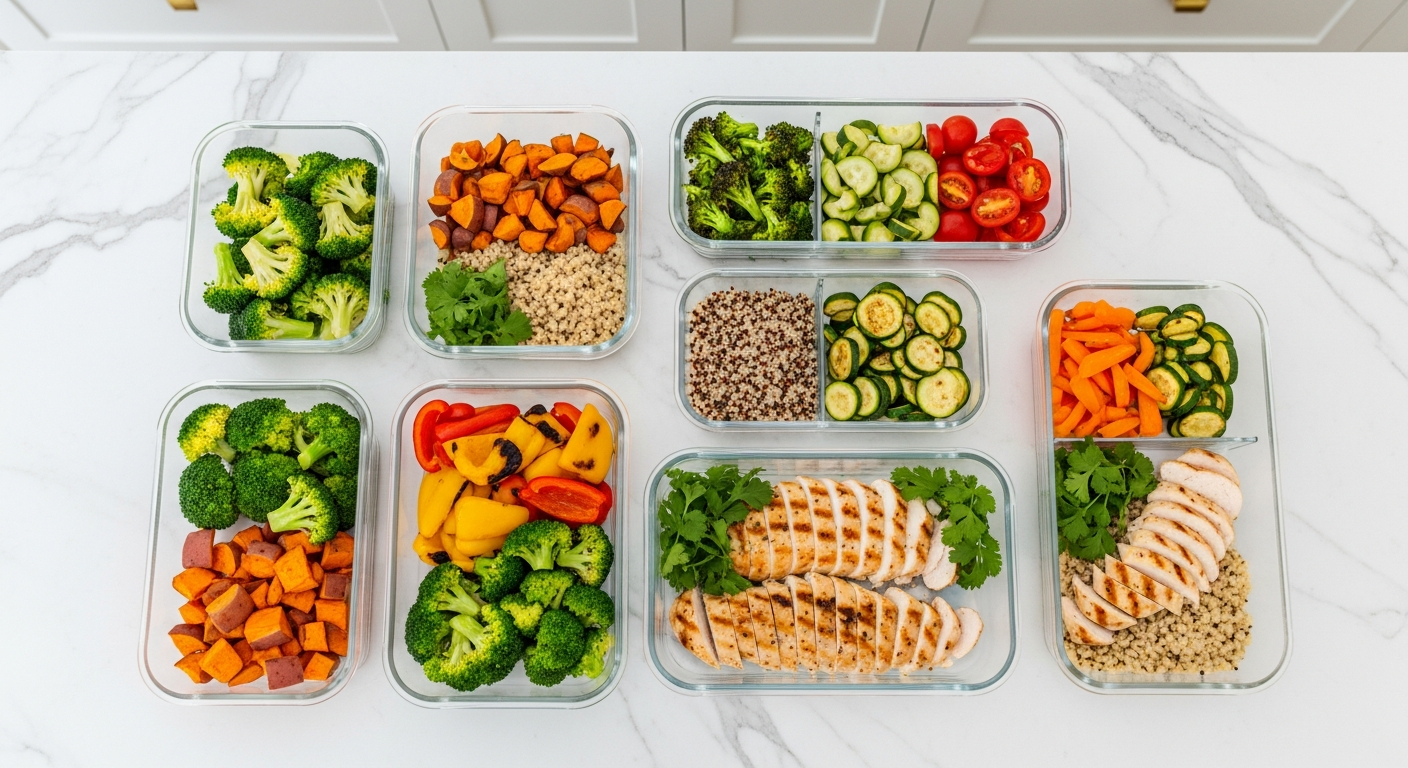
Batch cooking is the single biggest upgrade most home cooks can make to their weekly routine. The idea is simple: instead of cooking from scratch every day, you spend two to three hours on one day — usually Sunday — cooking larger quantities of versatile ingredients that carry you through the week. The result is a refrigerator full of ready-to-go components that make assembling weeknight meals faster than ordering takeout. If you have ever arrived home exhausted with nothing prepped and ended up eating cereal or ordering delivery, this guide is for you. These batch cooking meal prep tips will help you build a system that is realistic, sustainable, and genuinely makes your week easier from day one. Why Batch Cooking Actually Works Batch cooking is effective because it separates decision-making and labor from the moments you are most tired and least motivated. When Monday evening arrives and you are drained, opening the refrigerator to find cooked chicken, pre-chopped vegetables, and ready-to-heat grains removes all friction from eating well. Decision fatigue — the documented deterioration of decision quality after making many choices throughout the day — is a real and significant force. By front-loading your cooking decisions and effort to Sunday, when your energy is higher, you protect your healthy eating habits on the days when they would otherwise collapse under the weight of convenience food. The 5 Golden Rules of Batch Cooking 1. Cook Components, Not Complete Meals The most common batch cooking mistake is preparing finished dishes — full lasagna, complete casseroles — and eating the same meal five days in a row. This leads to boredom and eventually the abandonment of the whole system. Instead, cook neutral, versatile components: plain grilled chicken, roasted vegetables, cooked grains, and a simple sauce or two. From these building blocks, you can assemble a completely different meal each day. Monday might be a chicken grain bowl with lemon herb sauce. Tuesday becomes a stir-fry with the same chicken and a soy-ginger glaze. Wednesday turns into chicken tacos. Same protein, entirely different experience every night. 2. Start Small and Build Gradually Many people fail at batch cooking because they attempt to prep their entire week's food on the first try. This turns Sunday into a four-hour ordeal that burns you out before the habit even takes root. Start with just one protein, one grain, and one vegetable. Once that feels effortless — typically after two or three weeks — add another element. Sustainable systems grow incrementally. 3. Use a Rotation System Rotate your batch cooked proteins and grains every two weeks so you are not eating the same combination repeatedly. Keep a simple list of five or six proteins you enjoy (chicken thighs, ground beef, lentils, salmon, hard-boiled eggs, chickpeas), four grains (brown rice, quinoa, farro, pasta), and six vegetables you like roasted (sweet potato, broccoli, cauliflower, zucchini, bell peppers, Brussels sprouts). Rotate through these systematically to create genuine variety without extra planning. 4. Always Label and Date Everything A refrigerator full of identical-looking containers is useless if you cannot identify the contents. Every container needs at minimum its contents and the date it was prepared. Use masking tape and a permanent marker, or invest in reusable labels. Labeling also helps identify what needs to be used first and prevents food waste from forgotten containers lost at the back of the fridge. 5. Plan Your Meals Before You Shop Batch cooking without a meal plan is just cooking a lot of food and hoping it works out. Before your prep session, spend 15 minutes planning what you will eat each day of the week. This determines exactly what you need to buy and cook, eliminating guesswork, preventing over-buying, and ensuring your prep session produces precisely what you need — nothing more, nothing less. What to Batch Cook Every Week Proteins — Cook 2 to 3 Per Week Protein is the most labor-intensive part of most meals, making it the highest-value component to batch cook. The best batch cooking proteins: Ground beef or turkey: Season lightly with salt and pepper; add cuisine-specific seasonings at serving time. Keeps 3–4 days refrigerated; freezes well for 3 months. Chicken thighs or breast: Bake at 400°F until cooked through. Slice or shred and use across Mexican, Mediterranean, Asian, and American dishes throughout the week. Hard-boiled eggs: Cook a dozen at a time. Last 5–7 days peeled in water in the fridge. The most effortless batch protein available. Cooked beans or lentils: Cook dried lentils or chickpeas in large quantities and freeze in portion-sized bags for up to 3 months. Salmon or tuna: Bake salmon fillets plain and refrigerate for 3–4 days; use in salads, grain bowls, and pasta throughout the week. Grains and Starches — Cook 1 to 2 Per Week Grains take the longest to cook but are completely hands-off once simmering. Cook a large batch of one or two per week: Brown rice: Makes three times the volume when cooked. Lasts 5 days refrigerated; freezes excellently. Quinoa: Cooks in 15 minutes, has higher protein content than most grains, and works as both a grain and a protein booster. Farro or barley: Chewy, nutty texture that works beautifully in grain bowls and soups. Pasta: Cook al dente, toss with olive oil to prevent sticking, and refrigerate for up to 4 days. Vegetables — Roast 3 to 4 Varieties Per Week Roasted vegetables are a batch cooking cornerstone. Season with olive oil, salt, and pepper; spread on sheet pans; roast at 425°F until caramelized. They reheat well, improve in flavor overnight, and work in virtually every meal context. The best vegetables for batch roasting: broccoli and cauliflower (20–25 minutes), sweet potato and butternut squash (30–35 minutes), bell peppers and zucchini (20–25 minutes), Brussels sprouts (25–30 minutes), and asparagus or green beans (15–20 minutes). The Optimal Batch Cooking Schedule Here is a realistic 2.5-hour Sunday session that produces five days of lunches and dinners: First 30 minutes: Start grains on the stove; prepare and season all proteins; prep and season all vegetables for roasting. Active work is about 20 minutes — the rest of this time the stove and oven do the work. 30–60 minutes: Proteins go in the oven. Prep salad components (chop lettuce, slice cucumbers, cut tomatoes) and store in separate containers. Make one or two quick sauces. 60–90 minutes: Vegetables go into the oven as proteins come out to rest. Check grains. Hard-boil eggs if including them this week. 90–150 minutes: Everything comes out of the oven. Begin portioning, cooling, labeling, and refrigerating. Arrange the fridge so grab-and-go access is fast and logical. Essential Equipment You do not need specialized tools, but a few items dramatically improve the process: 3–4 sheet pans: The single most important batch cooking tool. Multiple pans let you roast several vegetables simultaneously. 10–12 glass containers with airtight lids: Glass does not absorb odors, is microwave-safe, dishwasher-safe, and freezer-safe. A rice cooker: Set it and walk away. Frees up stove space and produces consistent results without attention. Masking tape and a permanent marker: Label every container with contents and date, every single time. Storage Times Reference Guide Cooked chicken: 3–4 days refrigerated, 3 months frozen Cooked ground beef or turkey: 3–4 days refrigerated, 3 months frozen Cooked grains (rice, quinoa, farro): 5 days refrigerated, 3 months frozen Roasted vegetables: 4–5 days refrigerated (do not freeze — texture deteriorates) Hard-boiled eggs (peeled, stored in water): 5–7 days refrigerated Cooked pasta: 4 days refrigerated, tossed in olive oil Soups and stews: 4–5 days refrigerated, 3 months frozen Three-Week Batch Cooking Rotation Week 1: Grilled chicken + brown rice + roasted broccoli and sweet potato. Monday: chicken rice bowl. Tuesday: chicken and vegetable wrap. Wednesday: chicken fried rice. Thursday: sweet potato and chicken salad. Friday: chicken soup with rice. Week 2: Ground beef + quinoa + roasted bell peppers and zucchini. Monday: beef taco bowls. Tuesday: stuffed peppers with beef and quinoa. Wednesday: ground beef stir-fry. Thursday: beef and vegetable lettuce wraps. Friday: quinoa and beef salad. Week 3: Baked salmon + farro + roasted Brussels sprouts and asparagus. Monday: salmon farro bowl. Tuesday: salmon pasta salad. Wednesday: salmon grain bowl with tahini. Thursday: farro and vegetable bowl. Friday: salmon and asparagus frittata. Conclusion Batch cooking is not about perfection or elaborate preparation — it is about building a simple, repeatable system that removes daily cooking friction and makes healthy eating the default choice. Start with one protein, one grain, and two vegetables this Sunday. Time yourself. Adjust quantities based on what you actually eat. Refine your system over four to six weeks until it runs effortlessly. The goal is not a perfectly prepped refrigerator — it is a calmer, healthier, less expensive week. Once batch cooking becomes a Sunday habit, you will wonder how you ever managed without it. For more inspiration, explore our complete guide to Sunday meal prep , discover 25+ things to make with cooked ground beef , or browse our full recipe collection for weekly menu ideas. Frequently Asked Questions How long does batch cooking take each week? For most home cooks, a well-organized session takes 2–3 hours per week including shopping, prep, cooking, and storage. As you refine your system, this typically decreases to 1.5–2 hours. That time investment returns significant value — most people who batch cook consistently save 30–60 minutes per weeknight evening, dramatically improving their work-week quality of life. What if I do not have time to batch cook on Sundays? Batch cooking does not require Sundays. The best day is whichever day precedes your busiest stretch. Many people do a smaller session twice per week (Wednesday and Saturday) to keep everything fresh. Even 45 minutes of prep midweek — cooking one grain and prepping protein — meaningfully reduces daily cooking burden without requiring a long, dedicated session. Can I batch cook and still eat varied, interesting meals? Yes — the key is cooking neutral, versatile components rather than heavily seasoned complete dishes. A plain batch-cooked chicken breast takes on the character of whatever sauce, spice blend, or cuisine you apply at serving time. One batch of protein becomes Mexican on Monday, Asian on Tuesday, and Mediterranean on Wednesday with nothing more than different sauces. How do I prevent batch cooked food from tasting bland? Batch cook with minimal seasoning and season generously at serving time. Keep a rotation of quick sauces (tahini, chimichurri, soy-ginger, romesco) and use them to transform neutral proteins and grains into distinct meals. The bland batch food problem is almost always a sauce problem — a great sauce instantly transforms even the plainest component into a satisfying, complete meal.