Healthy Workplace Meal Ideas to Stay Energized All Day
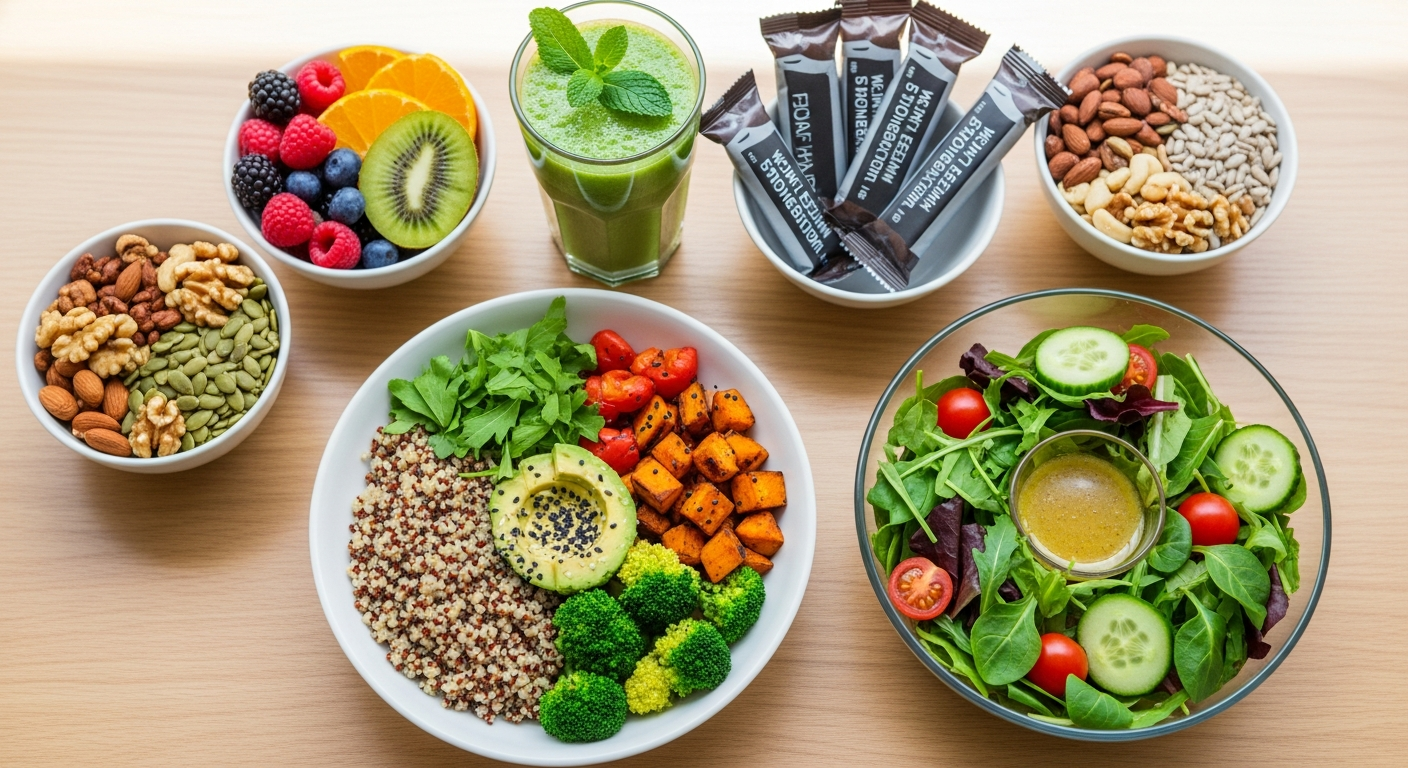
Discover healthy workplace meal ideas that keep your energy and focus high all day. From breakfast to afternoon snacks, eat better at work starting today.
Healthy Workplace Meal Ideas That Fuel Your Best Work What you eat at work directly impacts how well you work. Healthy workplace meal ideas are not just about calories and nutrients — they are about maintaining the steady energy, clear thinking, and positive mood that make you genuinely productive from your first meeting to your final task of the day. The wrong foods leave you crashing at 2pm. The right foods keep you sharp until 5. This guide covers healthy options for every eating occasion at work: breakfast, mid-morning snacks, lunch, afternoon snacks, and even desk-friendly treats that won't derail your energy. Table of Contents Why Food Choices Affect Work Performance Healthy Breakfast Ideas for the Workplace Mid-Morning Snack Ideas Healthy Workplace Lunch Ideas Afternoon Snack Ideas Foods to Avoid at the Office Sample Healthy Workplace Meal Plan FAQ Why Food Choices Affect Work Performance Your brain uses approximately 20% of your total daily energy. It runs on glucose — but how you deliver that glucose matters enormously. Foods high in refined carbohydrates and sugar cause rapid spikes in blood glucose followed by sharp crashes. During those crashes, concentration drops, irritability rises, and the desire to do anything mentally demanding evaporates. Foods that combine protein, complex carbohydrates, and healthy fat deliver glucose slowly and steadily, keeping your brain fueled without the boom-and-bust cycle. This is the foundation of every healthy workplace meal idea in this guide. Healthy Breakfast Ideas for the Workplace If you have access to a break room or kitchen, these options are easy to assemble at the office. If not, they travel perfectly. Overnight oats with berries and nut butter: Prepare the night before, grab in the morning. High in fiber, protein, and slow-releasing energy. Greek yogurt parfait: Full-fat Greek yogurt, mixed berries, a tablespoon of granola, and a drizzle of honey. High protein, easy to eat at your desk. Whole grain toast with avocado and egg: Complex carbs, healthy fat, and protein in one simple meal. Makes a strong start to a demanding workday. Smoothie in a travel cup: Blend spinach, banana, frozen berries, Greek yogurt, and milk. Portable, quick, and nutrient-dense. Egg and vegetable muffins: Bake a batch on Sunday. Grab one or two each morning for a hot, protein-packed breakfast that requires zero morning effort. Mid-Morning Snack Ideas for the Workplace The mid-morning snack is important — it bridges the gap between breakfast and lunch and prevents the desperate hunger that leads to bad vending machine choices just before noon. Apple with almond butter: Fiber and natural sugar from the apple, protein and healthy fat from the nut butter. Keeps hunger at bay for 2-3 hours. Mixed nuts and dried fruit: A small handful provides protein, fat, and natural sugars. Portion-control by pre-measuring into small bags. String cheese and whole grain crackers: A classic combination that is easy to keep in a desk drawer. Edamame: Frozen edamame in pods can be microwaved in 2 minutes. High in protein and incredibly satisfying with a little sea salt. Hard-boiled eggs: Prep a batch on Sunday. Keep in the fridge at work. Two eggs provide 12 grams of protein and keep you full for hours. Healthy Workplace Lunch Ideas Lunch is the most important meal of the workday. A poor lunch choice leads directly to that 2pm energy slump that derails the entire afternoon. These healthy workplace meal ideas for lunch are all balanced, portable, and genuinely satisfying. Quinoa and grilled chicken power bowl: Quinoa, grilled chicken, roasted vegetables, avocado, and lemon tahini dressing. Prep on Sunday and refrigerate in portions for the week. Mason jar salad with chickpeas: Layer dressing, hearty vegetables, chickpeas, feta, and greens in a wide-mouth mason jar. Shakes when ready to eat and stays fresh all day. Turkey and avocado whole grain wrap: Portable, balanced, and requires no reheating. Add spinach and mustard for extra flavor and nutrition. Homemade vegetable soup with whole grain bread: Batch cook on Sunday and bring in a thermos. One of the most filling and affordable healthy workplace lunch ideas available. Lentil dal with brown rice: High in protein and fiber from the lentils, complex carbs from the rice. Reheats in 2 minutes and keeps you full all afternoon. Afternoon Snack Ideas to Avoid the 3pm Crash The 3pm energy dip is real — and it is largely driven by what you ate for lunch (or didn't eat). A small, balanced afternoon snack prevents the worst of the slump. Dark chocolate and almonds: A small square of 70%+ dark chocolate with a small handful of almonds satisfies cravings while providing magnesium and healthy fats. Carrots and hummus: The crunch of carrots combined with the protein and fat in hummus makes this one of the most satisfying low-calorie snacks available. Cottage cheese with cucumber: Light, high in protein, and refreshing. Add everything bagel seasoning for extra flavor. A piece of whole fruit: A banana, pear, or orange provides natural sugar for a quick energy boost plus fiber to prevent a sugar spike. Protein bar with clean ingredients: Look for bars with less than 10 grams of sugar, at least 10 grams of protein, and recognizable ingredients. Keep one in your desk as an emergency backup. Foods to Avoid at the Office Some commonly available workplace foods actively undermine your energy and productivity: Office donuts, pastries, and cake: High glycemic, cause rapid crashes, and offer no satiety. One donut can leave you hungrier an hour later than if you hadn't eaten at all. Sweetened coffee drinks: A large flavored latte can contain 40-60 grams of sugar — the equivalent of 10 teaspoons. The crash is severe. Vending machine chips and candy: Refined carbs with no protein or fiber to slow digestion. Brief energy burst, long crash. Heavy restaurant lunches: Large portions of fatty food divert blood flow to digestion, causing the post-lunch fatigue commonly known as a "food coma." Sample Healthy Workplace Meal Plan Monday: Overnight oats | Apple and almond butter | Quinoa chicken bowl | Carrots and hummus Tuesday: Greek yogurt parfait | Hard-boiled egg | Turkey wrap | Dark chocolate and almonds Wednesday: Smoothie | String cheese and crackers | Mason jar salad | Banana Thursday: Avocado toast with egg | Mixed nuts | Lentil dal with rice | Cottage cheese and cucumber Friday: Egg muffins | Edamame | Vegetable soup with bread | Protein bar Frequently Asked Questions What should I eat at the office for energy? Focus on foods that combine protein, healthy fat, and complex carbohydrates. These three macronutrients together slow glucose absorption and provide steady, long-lasting energy. Avoid sugary snacks and refined carbs that cause crashes. How do I stop snacking on junk food at work? The most effective strategy is preparation — bring your own healthy snacks so you always have a better option available. When healthy food is as convenient as the vending machine, most people will choose it. What are the best foods for focus and concentration at work? Fatty fish (omega-3s), eggs (choline), leafy greens (folate), berries (antioxidants), nuts (vitamin E), and dark chocolate (flavanols) are all associated with improved cognitive function. Building your work meals around these ingredients supports both energy and focus. Conclusion Your work meals have a direct and measurable impact on your afternoon energy, cognitive performance, and long-term health. The good news is that eating well at work does not require radical changes or a gourmet kitchen — it requires a system. Plan your meals once per week, prep in batches, and keep your options simple enough that healthy choices are always more convenient than unhealthy ones. Start with just one improvement this week: bring your own lunch on Monday. Build from there. For a full meal planning system, explore our complete batch cooking and meal prep guide , or discover more easy healthy lunch ideas for work to keep your weekday nutrition consistently on track. Frequently Asked Questions What are the best foods for sustained energy at work? Foods that combine complex carbohydrates, lean protein, and healthy fat produce the most stable, long-lasting energy. Examples: Greek yogurt with oats and berries; a chicken and quinoa bowl with roasted vegetables; whole grain toast with egg and avocado; a lentil-based soup with crusty bread. These combinations slow glucose absorption and prevent the blood sugar spikes and crashes that cause afternoon fatigue and reduced concentration. How do I avoid the afternoon energy crash? The afternoon crash is almost always caused by a high-glycemic lunch or too many refined carbohydrates. Prevent it by: eating a balanced lunch with protein and fat, not just carbs; keeping your lunch portion moderate rather than eating until uncomfortably full; having a small protein-based snack at 3pm if needed (a handful of almonds or a hard-boiled egg); and staying hydrated throughout the day, since dehydration significantly worsens fatigue and cognitive impairment. How much should I budget for work food per week? A well-planned home-prepared work food budget of $30–$50 per week comfortably covers breakfast, lunch, and snacks for five days. This compares favorably to spending $15–$25 per day on café lunches and purchased snacks ($75–$125 per week). The annual saving of $1,300–$3,900 is one of the most accessible lifestyle financial optimizations available to most working adults. Can I eat well at work without a microwave or fridge? Yes — insulated thermos containers keep hot foods warm for 4–6 hours. For cold foods, a small insulated lunch bag with an ice pack maintains safe temperatures (below 40°F) for 4–5 hours. Without either, focus on room-temperature meals: whole grain crackers with nut butter, sealed pouches of tuna or salmon, trail mix, whole fruit, or a peanut butter sandwich — all nutritious, portable, and requiring no temperature control.