How to Build the Perfect Salad Every Time: A Step-by-Step Guide
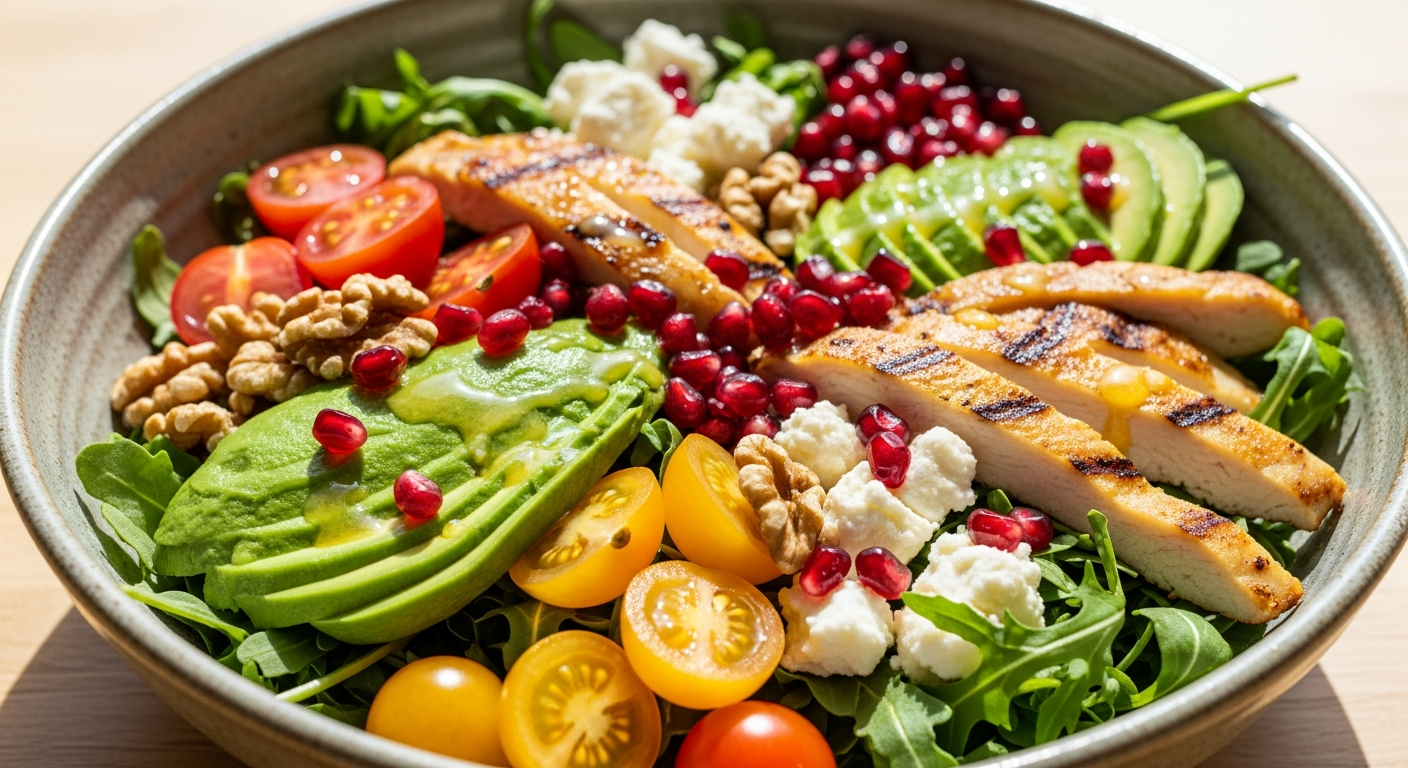
A great salad is about architecture, not recipes. Learn the five-element framework — base, protein, texture, flavor accents, and dressing — that transforms any collection of ingredients into a satisfying, beautiful meal.
A salad should never be an afterthought or a concession to healthy eating. The best salads are genuinely satisfying, beautiful, and full of flavors and textures that make them the highlight of the meal — not the reluctant opening act before the "real food" arrives. The problem is that most people build salads without a framework, resulting in a pile of undressed vegetables loosely connected by bottled ranch dressing. This guide gives you a step-by-step system for building the perfect salad every time. It is not about specific recipes — it is about understanding the architecture of a great salad so you can create hundreds of compelling variations from the same set of principles. The Five-Element Framework Every great salad consists of five elements in proper proportion: The Base — the structural foundation of greens or grains The Protein — what makes the salad a satisfying, complete meal The Texture Mix — crunchy, creamy, and chewy elements that make each bite interesting The Flavor Accents — small, intense ingredients that add complexity The Dressing — the unifying element that ties every component together When all five elements are present and properly balanced, a salad becomes genuinely complete and satisfying. Missing or underrepresenting any one element almost always explains why a salad feels unsatisfying, boring, or like something to endure rather than enjoy. Step 1: Build Your Base The base provides bulk, nutrition, and structural support for everything else. You have more options than most people use — do not default automatically to iceberg lettuce: Greens (Best for Light, Fresh Salads) Romaine: Mild, crisp, and sturdy — holds up well under heavy dressings without wilting. The best all-purpose salad green for most applications. Arugula: Peppery and slightly bitter — pairs beautifully with acidic dressings, citrus, and strong cheeses like parmesan or pecorino. Kale: Very sturdy; must be massaged with salt and olive oil for 2–3 minutes to break down the cell structure and tenderize. Holds up overnight without wilting — excellent for packed lunches. Spinach: Mild and tender; wilts quickly under warm ingredients or heavy dressings. Best for lighter preparations and raw preparations. Mixed greens: Provides variety of textures and flavors. Pairs best with lighter dressings that do not overwhelm the delicate leaves. Butter lettuce: Very tender, mildly sweet, and elegant — ideal for lighter dressings and Asian-style preparations. Grain Bases (Best for Hearty, Filling Salads) Farro: Chewy, nutty, and absorbs dressings beautifully. Excellent for make-ahead salads that improve as they sit. Quinoa: High-protein, light, and fluffy when cooked. Absorbs dressings immediately. Cooks in 15 minutes. Bulgur wheat: Quick-cooking and chewy — the traditional base for tabbouleh and Middle Eastern grain salads. Brown rice: Mild, versatile, and excellent in Asian-inspired bowl salads. Mixed Bases Some of the best salads combine greens and grains — a handful of arugula mixed with cooked farro, for example, provides both the freshness of greens and the substance of grains in a single, harmonious base. Do not feel limited to using only one type of base. Step 2: Add Your Protein Protein transforms a salad from a side dish into a genuinely complete meal. For a main course salad, aim for 4–6 ounces of protein per serving. Without sufficient protein, any salad — regardless of its other virtues — will leave you hungry within the hour. Animal Proteins Grilled or roasted chicken: The most versatile salad protein. Season simply so it adapts to multiple dressing styles throughout the week. Salmon (grilled, baked, or pan-seared): Rich, flavorful, and high in omega-3s. Pairs especially well with Asian and Mediterranean dressings. Soft or hard-boiled eggs: An easy, affordable protein that pairs with almost any flavor profile. A 7-minute egg (jammy yolk) elevates any grain bowl salad dramatically. Shrimp: Quick-cooking, light in flavor, and excellent for Asian, Mediterranean, and citrus-dressed preparations. Thinly sliced steak: Transforms a salad into a restaurant-level main course. Use a simple herb or chimichurri dressing to complement rather than compete. Plant-Based Proteins Roasted chickpeas: Season aggressively with cumin, paprika, and salt; roast at 400°F until crispy. Provides both protein and crunch — two elements in one ingredient. French green lentils: Hold their shape well after cooking and pair beautifully with bold vinaigrettes. Earthy, slightly peppery flavor. White beans: Creamy, mild, and excellent in Mediterranean-style salads with lemon and herbs. Baked tofu: Press excess moisture out and bake at 400°F until golden and firm. Absorbs whatever marinade you apply and provides a genuinely meaty texture. Step 3: Layer in Texture Texture is what makes a salad memorable. A salad with uniform softness is boring regardless of how good the individual ingredients taste. Every great salad needs at minimum three distinct textures: something tender (greens, avocado), something crunchy (nuts, croutons, roasted seeds), and something creamy (cheese, avocado, a creamy dressing). Crunchy Elements Toasted nuts (almonds, walnuts, pecans, hazelnuts, pine nuts) Seeds (sunflower, pumpkin, sesame, hemp) Homemade croutons — cube day-old bread, toss with olive oil and salt, toast at 375°F until golden. Categorically better than packaged croutons. Roasted chickpeas (also provide protein) Fried shallots or crispy onions Crumbled pita chips or tortilla chips Creamy Elements Avocado (sliced, cubed, or smashed) Soft cheese (goat cheese, burrata, ricotta, fresh mozzarella) Roasted beets Roasted sweet potato Chewy Elements Dried fruit (cranberries, cherries, apricots, golden raisins, Medjool dates) Cooked whole grains (farro, quinoa, barley) Pickled vegetables (pickled red onion is especially useful — tart, vibrant, and quick to make) Step 4: Add Flavor Accents Flavor accents are small-quantity, high-impact ingredients that add complexity and depth without overwhelming the base. Think of them as the seasoning layer of the salad: Fresh herbs: Basil, mint, cilantro, parsley, tarragon, dill, chives — use generously. Fresh herbs add brightness and herbal complexity that dried herbs cannot replicate. Pickled ingredients: Pickled red onion, capers, cornichons, pickled jalapeños — add essential acidity, tang, and vibrant color. Strong cheese in small amounts: Parmesan, feta, gorgonzola, manchego — small quantities add salt, creaminess, and savory depth without overwhelming. Citrus zest: A small amount of lemon or orange zest adds an aromatic top note that elevates the entire bowl. Fresh chili or chili flakes: A small amount of heat adds contrast and makes other flavors sharper and more defined. Olives and sun-dried tomatoes: Intensely savory, umami-rich, and concentrated — use sparingly as an accent, not a main component. Step 5: Dress It Right The dressing is the single element that most determines whether a salad succeeds or falls flat. Three rules govern everything: Rule 1: Make Your Own Dressing Homemade vinaigrette takes 2 minutes and is categorically better than bottled dressing. The basic ratio: 3 parts oil to 1 part acid (lemon juice or vinegar), plus salt, pepper, and optionally a teaspoon of Dijon mustard as an emulsifier. From this base, create infinite variations by changing the acid and adding flavorings (garlic, fresh herbs, honey, tahini, miso, anchovy paste, Worcestershire). Rule 2: Dress Just Before Serving Add dressing as close to serving time as possible — a maximum of 10 minutes before for delicate greens. Exception: grain-based salads and kale salads benefit from marinating in dressing for 30+ minutes, as the grains and kale absorb flavor and become more tender and cohesive with time. Rule 3: Dress the Greens First, Then Add Toppings Add dressing to the base greens first and toss until every leaf has a light, even coating. Then add protein, crunchy elements, and flavor accents on top rather than mixing everything together. This ensures even seasoning of the base and keeps toppings visible, undisturbed, and texturally intact — critical for both eating experience and visual appeal. Four Essential Dressings to Master Classic Lemon Vinaigrette: 3 tablespoons olive oil + 1 tablespoon lemon juice + 1 teaspoon Dijon + salt + pepper. Shake in a jar. Works on virtually any salad. Balsamic Vinaigrette: 3 tablespoons olive oil + 1 tablespoon aged balsamic vinegar + 1 teaspoon honey + ½ teaspoon Dijon + salt + pepper. Richer and sweeter — ideal for greens with fruit, nuts, and strong cheese. Tahini Dressing: 2 tablespoons tahini + 1 tablespoon lemon juice + 1 tablespoon olive oil + 1 small garlic clove (grated) + water to thin + salt. Earthy, creamy, and pairs beautifully with grain bowls and roasted vegetable preparations. Asian Sesame Ginger: 2 tablespoons rice vinegar + 1 tablespoon low-sodium soy sauce + 1 tablespoon sesame oil + 1 teaspoon grated fresh ginger + 1 teaspoon honey. Light, bright, and excellent on any Asian-inspired salad. Five Salad Combinations That Always Work Classic Caesar: Romaine + shaved parmesan + homemade croutons + Caesar dressing. Add grilled chicken for a complete protein-rich meal. Mediterranean Grain Bowl: Farro + arugula + cucumber + cherry tomatoes + Kalamata olives + feta + chickpeas + lemon vinaigrette + fresh parsley and mint. Asian Sesame Salad: Shredded napa cabbage + edamame + shredded carrots + scallions + mandarin orange segments + sesame ginger dressing + sesame seeds. Fall Harvest Salad: Mixed greens + roasted butternut squash + candied pecans + dried cranberries + crumbled goat cheese + balsamic vinaigrette. High-Protein Power Bowl: Brown rice + mixed greens + grilled salmon + avocado + cucumber + roasted edamame + tahini dressing. Conclusion A perfect salad is not about any specific recipe — it is about understanding the architecture of balance, texture, and flavor so you can build a satisfying, delicious bowl from whatever you have on hand. Apply the five-element framework consistently: base plus protein plus texture mix plus flavor accents plus dressing. Once these elements are in place, the specific ingredients become almost interchangeable. You have everything you need to stop enduring salads and start genuinely looking forward to them. Elevate your salad ingredients by exploring our 10 superfoods to cook with every week , or integrate salad prep into a full week of cooking with our batch cooking meal prep guide . Frequently Asked Questions How do I make a salad filling enough to be a complete meal? Ensure all three macronutrients are represented: protein (at least 4–6 oz per serving), healthy fat (from olive oil dressing, avocado, nuts, or cheese), and complex carbohydrates (from grains, legumes, or root vegetables like sweet potato). Without sufficient protein and fat, any salad will leave you hungry within an hour regardless of its calorie content. The "meal salad" only works when the protein element is taken as seriously as in any other complete meal. Why does my homemade dressing separate? Oil and water-based ingredients (vinegar, lemon juice) separate naturally — this is chemistry, not a mistake. The solution is an emulsifier: Dijon mustard contains mucilage compounds that help oil and acid stay combined. Add a teaspoon of Dijon to any vinaigrette, shake vigorously, and the dressing will hold together for 10–15 minutes. Garlic paste, honey, and tahini also act as mild emulsifiers and add flavor simultaneously. How do I keep a packed salad fresh for work? Pack dressing separately in a small container and add at the last minute. Store wet ingredients (sliced tomatoes, cucumber, dressed grains) separately from delicate greens when possible. Choose sturdier greens (kale, romaine, radicchio) for packed lunches rather than delicate spinach or butter lettuce. A Mason jar salad with dressing at the very bottom, followed by hard vegetables, grains, protein, and greens at the top stays fresh and crisp for 4–5 hours without wilting. What is the healthiest salad dressing? A simple extra virgin olive oil and lemon or vinegar vinaigrette is among the most nutritionally sound options — the olive oil provides monounsaturated fats, polyphenols, and significantly improves the absorption of fat-soluble vitamins (A, D, E, K) from the salad vegetables. Creamy dressings made from tahini, Greek yogurt, or avocado are also nutritionally strong. The least healthy dressings are bottled varieties made from processed seed oils, high in added sugar, and containing artificial stabilizers. Making your own takes 2 minutes and is superior in every measurable dimension.