Korean Cooking 101: Essential Techniques and 20 Authentic Recipes
Discover the fundamentals of Korean cuisine with this complete guide. Learn essential ingredients, cooking techniques, and master 20 authentic recipes from kimchi to bibimbap.
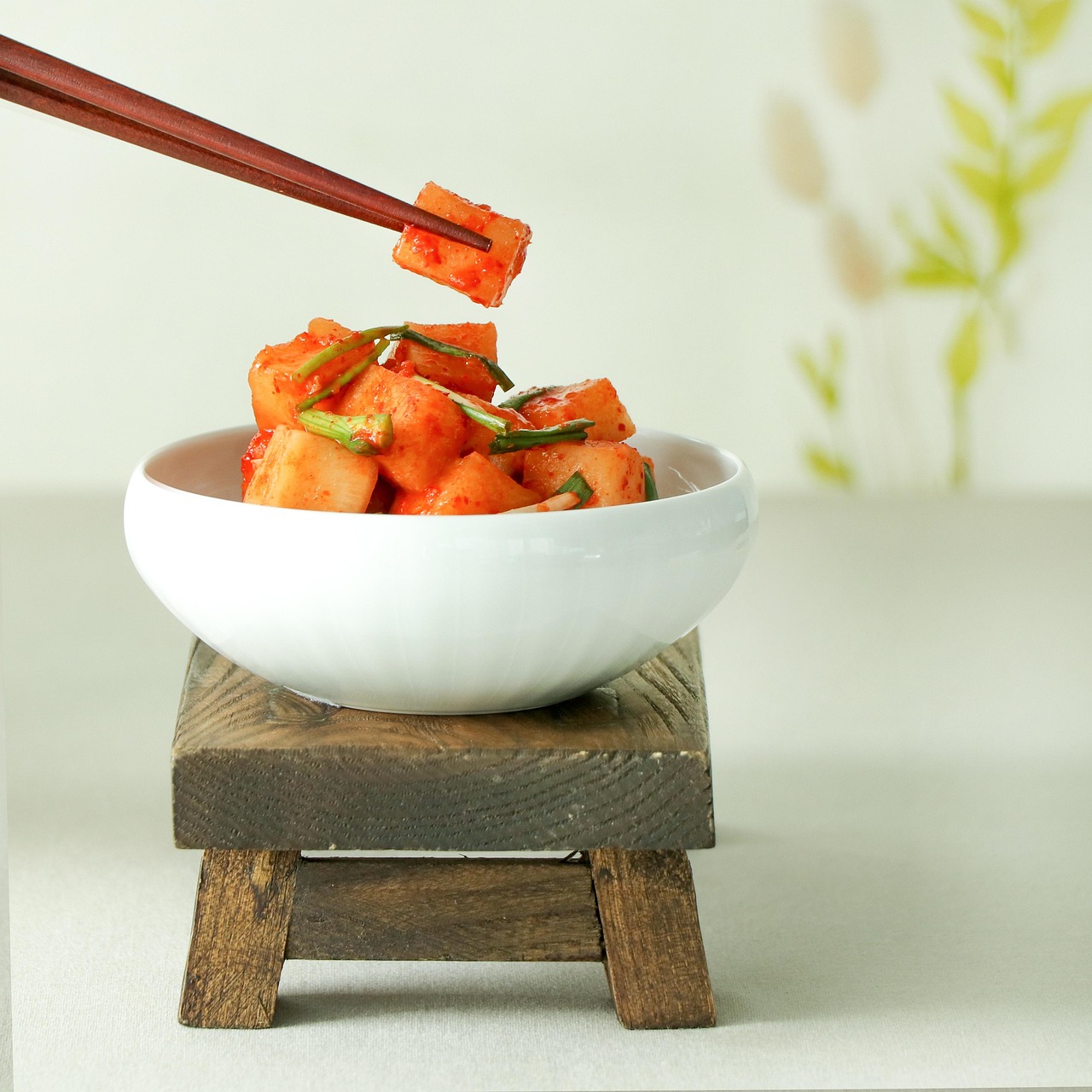
# Korean Cooking 101: Essential Techniques and 20 Authentic Recipes Korean cuisine has captured the world's attention with its bold flavors, health benefits, and Instagram-worthy presentations. From the fermented tang of kimchi to the sizzle of Korean BBQ, this ancient culinary tradition offers endless delicious discoveries. This comprehensive guide will teach you everything you need to start cooking authentic Korean food at home. ## Understanding Korean Flavor Profiles **The Five Core Tastes:** Korean cooking balances these fundamental flavors: - **Spicy:** Gochugaru (red pepper flakes), gochujang (red pepper paste) - **Sweet:** Sugar, honey, fruit - **Salty:** Soy sauce, salt, fermented sauces - **Sour:** Vinegar, fermented foods - **Umami:** Fermented soybean paste (doenjang), dried anchovies, mushrooms **Key Flavor Principles:** - **Balance:** No single flavor dominates - **Fermentation:** Depth from fermented ingredients - **Layering:** Building complexity through multiple ingredients - **Freshness:** Vibrant vegetables and herbs ## Essential Korean Pantry Ingredients **Sauces and Pastes:** **Gochujang (고추장):** - Fermented red pepper paste - Sweet, spicy, umami-rich - Essential for bibimbap, marinades, stews - Brands: CJ Haechandle, Sunchang **Doenjang (된장):** - Fermented soybean paste (like miso but funkier) - Used in stews, soups, marinades - Earthy, savory, complex - The soul of many Korean dishes **Ganjang (간장):** - Korean soy sauce - Lighter than Chinese, different from Japanese - Two types: regular (yangjo) and soup (guk-ganjang) **Sesame Oil (참기름):** - Toasted, highly aromatic - Used as finishing oil (not for cooking) - Small amount delivers big flavor **Rice Vinegar:** - Mild acidity - Used in dipping sauces, pickling **Spices and Seasonings:** **Gochugaru (고춧가루):** - Korean red pepper flakes - Not the same as crushed red pepper! - Slightly sweet, fruity heat - Essential for kimchi **Sesame Seeds:** - Toasted for garnish - Ground into paste - Adds nutty flavor and texture **Garlic and Ginger:** - Used generously - Fresh, not powdered - Foundation of most dishes **Green Onions (Scallions):** - Used both cooked and raw - Adds freshness and mild onion flavor **Korean Sea Salt:** - Coarser than table salt - Used for kimchi and pickling **Dried Ingredients:** **Dried Anchovy:** - Small fish packed with umami - Base for stocks and broths - Remove heads and guts for less bitterness **Dried Kelp (Kombu/Dashima):** - For making stocks - Adds minerals and umami - Don't boil—steep gently **Dried Shiitake Mushrooms:** - Intense umami - Rehydrate for soups and stir-fries - Save soaking liquid for stock **Staples:** **Short-Grain White Rice:** - Sticky texture when cooked - Foundation of most meals - Rinse before cooking **Napa Cabbage:** - Main ingredient in kimchi - Used in soups, stews, stir-fries **Korean Radish (Mu):** - Looks like giant white carrot - Crisp texture, slightly sweet - Used in kimchi, soups, side dishes ## Essential Cooking Techniques **Making Korean Rice:** 1. Rinse rice until water runs clear (removes excess starch) 2. Use 1:1 ratio rice to water 3. Soak 30 minutes before cooking (optional but recommended) 4. Let sit 10 minutes after cooking before opening **Stir-Frying (Bokkeum):** - High heat, quick cooking - Prep all ingredients before starting - Cook aromatics first (garlic, ginger) - Add vegetables by density (hardest first) - Finish with sauce and sesame oil **Making Soup/Stew Stock:** 1. Soak dried anchovies and kelp in cold water 30 minutes 2. Bring to gentle simmer (don't boil) 3. Remove kelp after 10 minutes 4. Simmer anchovies 10 more minutes 5. Strain—you have umami-rich stock **Korean BBQ Grilling:** - Marinate meat (bulgogi) or use unmarinated (galbi) - High heat for caramelization - Cook in small batches - Serve with lettuce wraps and banchan **Fermenting (Kimchi):** - Salt vegetables to draw out moisture - Rinse and drain - Mix with paste (gochugaru, garlic, ginger, fish sauce) - Pack tightly to remove air pockets - Ferment at room temp 1-5 days, then refrigerate ## 20 Essential Korean Recipes ### Kimchi and Pickles (Recipes 1-3) **1. Napa Cabbage Kimchi (배추김치)** Traditional fermented cabbage with gochugaru paste. **Fermentation: 1-5 days at room temp** **2. Cucumber Kimchi (오이김치)** Quick-fermenting, crunchy, refreshing. **Fermentation: 1-2 days** **3. Radish Kimchi (깍두기)** Cubed radish kimchi, slightly sweet and crunchy. **Fermentation: 2-3 days** ### Soups and Stews (Recipes 4-8) **4. Kimchi Jjigae (김치찌개)** Spicy kimchi stew with pork and tofu. **Cook time: 30 minutes** **5. Sundubu Jjigae (순두부찌개)** Soft tofu stew with seafood or meat. **Cook time: 20 minutes** **6. Doenjang Jjigae (된장찌개)** Fermented soybean paste stew with vegetables. **Cook time: 25 minutes** **7. Seolleongtang (설렁탕)** Milky ox bone soup simmered for hours. **Cook time: 3-4 hours** **8. Miyeok Guk (미역국)** Seaweed soup, traditionally eaten on birthdays. **Cook time: 30 minutes** ### Rice and Noodle Dishes (Recipes 9-13) **9. Bibimbap (비빔밥)** Mixed rice bowl with vegetables, meat, egg, and gochujang. **Prep time: 30 minutes** **10. Kimchi Fried Rice (김치볶음밥)** Quick meal using leftover rice and kimchi. **Cook time: 15 minutes** **11. Japchae (잡채)** Glass noodles stir-fried with vegetables and meat. **Cook time: 30 minutes** **12. Jjajangmyeon (짜장면)** Korean-Chinese noodles with black bean sauce. **Cook time: 25 minutes** **13. Kimbap (김밥)** Korean rice rolls with vegetables and protein. **Prep time: 40 minutes** ### Meat Dishes (Recipes 14-17) **14. Bulgogi (불고기)** Sweet and savory marinated beef, grilled or stir-fried. **Marinate: 2+ hours, Cook: 10 minutes** **15. Galbi (갈비)** Marinated short ribs, grilled. **Marinate: 4+ hours, Cook: 15 minutes** **16. Dakgalbi (닭갈비)** Spicy stir-fried chicken with vegetables. **Cook time: 20 minutes** **17. Bossam (보쌈)** Boiled pork belly served with lettuce wraps. **Cook time: 90 minutes** ### Pancakes and Snacks (Recipes 18-20) **18. Kimchi Jeon (김치전)** Crispy kimchi pancake. **Cook time: 15 minutes** **19. Pajeon (파전)** Scallion pancake, sometimes with seafood. **Cook time: 12 minutes** **20. Tteokbokki (떡볶이)** Spicy stir-fried rice cakes in gochujang sauce. **Cook time: 20 minutes** ## Master Recipe: Bulgogi (Korean Marinated Beef) **Ingredients:** *Meat:* - 1.5 lbs ribeye or sirloin, thinly sliced - Partially freeze for easier slicing *Marinade:* - 1/4 cup soy sauce - 2 tbsp sesame oil - 2 tbsp brown sugar - 2 tbsp mirin (or rice wine) - 3 cloves garlic, minced - 1 tbsp ginger, grated - 2 green onions, chopped - 1 tbsp sesame seeds - 1/4 tsp black pepper - 1 small onion, thinly sliced - 1 Asian pear, grated (or 2 tbsp pear juice) *For Serving:* - Lettuce leaves - Steamed rice - Ssamjang (dipping sauce) - Kimchi **Instructions:** 1. **Prepare Meat** (15 minutes) - Partially freeze beef for 30 minutes - Slice against the grain, 1/8 inch thick - Thinner = more tender 2. **Make Marinade** (5 minutes) - Combine all marinade ingredients - Grated pear adds sweetness and tenderizes - Mix well to dissolve sugar 3. **Marinate** (2-24 hours) - Add beef to marinade - Mix thoroughly to coat all pieces - Cover and refrigerate minimum 2 hours - Best results: marinate overnight 4. **Cook** (10 minutes) - Heat skillet or grill to high heat - Cook beef in single layer (work in batches) - Don't overcrowd or it will steam - 2-3 minutes per side until caramelized - Bulgogi cooks quickly—don't overdo it 5. **Serve Korean BBQ Style** - Place grilled meat on large platter - Arrange lettuce leaves alongside - Set out rice, kimchi, and ssamjang - To eat: wrap meat in lettuce with rice and condiments **Tips for Success:** - Slice meat thinly and against the grain - Asian pear is traditional but regular pear works - Don't skip the marinating time - High heat creates caramelization - Leftovers reheat well for bibimbap or fried rice ## Banchan: The Art of Side Dishes Korean meals always include banchan—small side dishes served communally. **Common Banchan:** - Kimchi (various types) - Seasoned bean sprouts - Seasoned spinach - Pickled radish - Japchae (can be banchan or main) - Fried anchovies with peanuts - Seasoned cucumber **Banchan Principles:** - Serve 3-5 different banchan per meal - Include variety: spicy, mild, crunchy, soft - Refill freely—banchan is unlimited - Many can be made ahead and refrigerated ## Korean Table Manners and Serving **Table Setup:** - Rice and soup in personal bowls - Banchan in center, shared by all - Chopsticks and spoon for each person - Use spoon for rice and soup, chopsticks for side dishes **Etiquette:** - Wait for eldest to begin eating - Don't pick up rice bowl (unlike Chinese/Japanese custom) - Use spoon for rice, not chopsticks - Don't stick chopsticks upright in rice (funeral symbolism) ## Shopping for Korean Ingredients **Where to Shop:** - H Mart (largest Korean grocery chain in US) - Local Asian grocery stores - Amazon for non-perishables - Korean online retailers **Budget-Friendly Tips:** - Buy gochugaru and gochujang in bulk (they last) - Dried anchovies and kelp are inexpensive - Make your own stock instead of buying - Grow your own perilla leaves if possible ## Health Benefits of Korean Food **Fermented Foods:** - Kimchi is probiotic-rich - Supports gut health and digestion - May boost immune system **Vegetable-Heavy:** - Most meals include multiple vegetable side dishes - High fiber content - Antioxidants from colorful produce **Balanced Macros:** - Protein from meat, tofu, seafood - Carbs from rice - Healthy fats from sesame oil, nuts **Anti-Inflammatory:** - Garlic, ginger, and fermented foods reduce inflammation - Gochugaru contains capsaicin (metabolism booster) ## Your Korean Cooking Journey Start with simple dishes like kimchi fried rice or bulgogi. Master the basic flavor profiles before attempting complex fermentations. Don't be intimidated by unfamiliar ingredients—once you stock your pantry, Korean cooking becomes intuitive. Visit a Korean restaurant to taste authentic versions of dishes you're learning to make. Watch Korean cooking shows or YouTube channels for technique demonstrations. Join online Korean cooking communities for support and recipe swaps. Remember: Korean cooking is about balance, bold flavors, and sharing meals with others. Don't stress over perfection—even homemade kimchi that's "not quite right" is delicious and nutritious. Your journey into Korean cuisine starts with a single dish. Before you know it, you'll be hosting your own Korean BBQ nights and fermenting kimchi like a pro. Enjoy the adventure!