Mediterranean Diet 101: A Complete Beginner's Guide with 30-Day Meal Plan
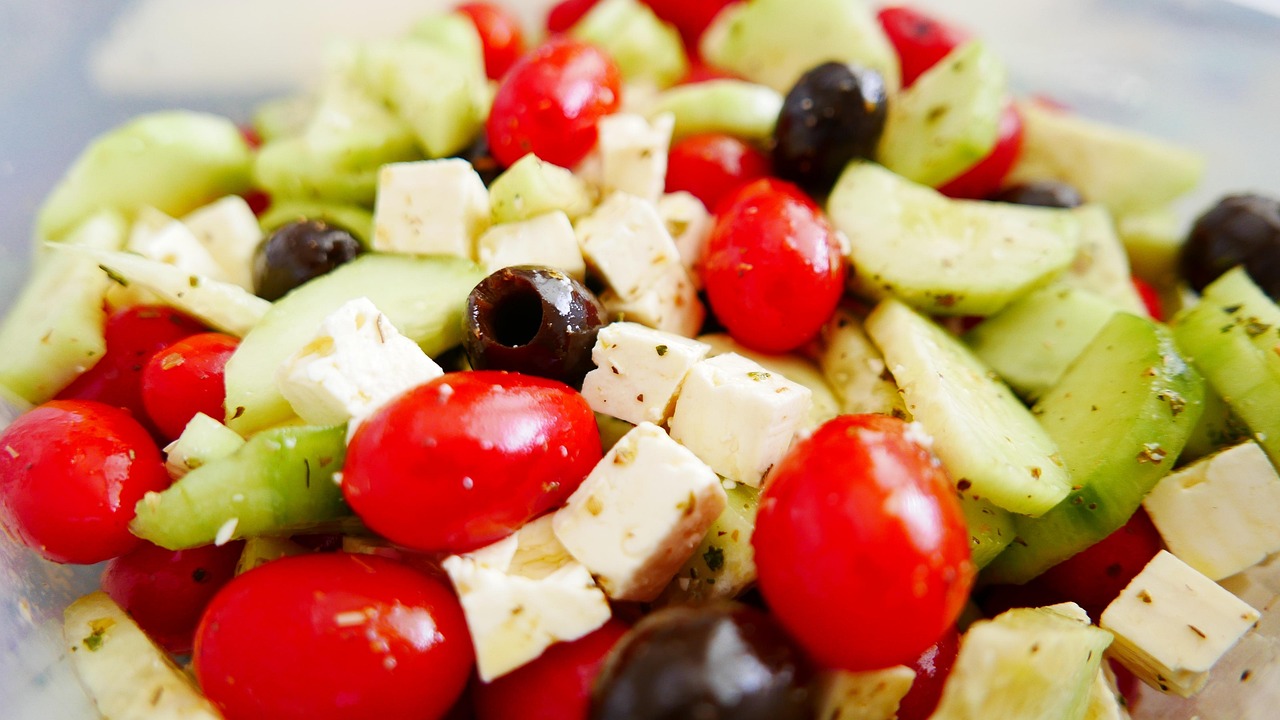
Learn everything about the heart-healthy Mediterranean diet. Includes science-backed benefits, essential foods, recipes, and a complete 30-day meal plan to get you started.
# Mediterranean Diet 101: A Complete Beginner's Guide with 30-Day Meal Plan The Mediterranean diet consistently ranks as one of the healthiest eating patterns in the world, backed by decades of research showing its profound health benefits. Unlike restrictive fad diets, the Mediterranean approach focuses on abundance—filling your plate with delicious, whole foods that nourish your body and satisfy your taste buds. ## What Is the Mediterranean Diet? The Mediterranean diet isn't a strict meal plan with calorie counting and food restrictions. Instead, it's a lifestyle approach to eating inspired by the traditional dietary patterns of countries bordering the Mediterranean Sea—particularly Greece, Italy, and Spain. At its core, this way of eating emphasizes: - **Whole, minimally processed foods** - **Plant-based meals** with vegetables as the foundation - **Healthy fats** from olive oil, nuts, and fish - **Moderate portions** of dairy, poultry, and eggs - **Limited red meat** and sweets - **Daily physical activity** and sharing meals with others ## The Science-Backed Health Benefits Research on the Mediterranean diet is extensive and compelling: **Cardiovascular Health:** The landmark PREDIMED study found that a Mediterranean diet supplemented with extra-virgin olive oil or nuts reduced the risk of heart disease by 30%. This eating pattern helps lower LDL cholesterol, reduce inflammation, and improve blood vessel function. **Brain Health and Cognitive Function:** Studies show the Mediterranean diet may reduce the risk of Alzheimer's disease and cognitive decline by up to 40%. The combination of omega-3 fatty acids, antioxidants, and anti-inflammatory compounds protects brain cells and supports neurological function. **Diabetes Prevention and Management:** Research published in the New England Journal of Medicine found that the Mediterranean diet reduced the incidence of type 2 diabetes by 52% compared to a low-fat diet. The emphasis on whole grains, fiber, and healthy fats helps stabilize blood sugar levels. **Weight Management:** Despite including generous amounts of olive oil and nuts, the Mediterranean diet supports sustainable weight loss and maintenance. The focus on whole foods, fiber, and protein keeps you satisfied while naturally reducing overall calorie intake. **Longevity:** People in Mediterranean regions historically live longer, healthier lives. The combination of nutrient-dense foods, moderate wine consumption, regular physical activity, and strong social connections contributes to this longevity advantage. ## Core Components of the Mediterranean Diet ### The Foundation: Vegetables and Fruits Aim for 7-10 servings daily of colorful produce: - **Leafy greens:** Spinach, arugula, kale, Swiss chard - **Cruciferous vegetables:** Broccoli, cauliflower, Brussels sprouts - **Nightshades:** Tomatoes, eggplant, bell peppers - **Fresh fruits:** Berries, oranges, apples, grapes, figs ### Whole Grains and Legumes Replace refined grains with whole grain options: - **Whole wheat bread and pasta** - **Farro, bulgur, and barley** - **Brown rice and quinoa** - **Beans and lentils** (chickpeas, white beans, lentils) ### Healthy Fats: The Mediterranean Secret **Extra-Virgin Olive Oil** is the star: - Use 3-4 tablespoons daily - Choose cold-pressed, quality brands - Use for cooking, salads, and finishing dishes **Other healthy fats:** - Raw nuts (almonds, walnuts, pistachios) - Seeds (chia, flax, sesame) - Avocados - Olives ### Protein Sources **Prioritize:** - **Fish and seafood** 2-3 times weekly (salmon, sardines, mackerel, shrimp) - **Poultry** in moderation (chicken, turkey) - **Eggs** 4-7 per week - **Greek yogurt and cheese** in moderate amounts **Limit:** - Red meat to 1-2 times monthly - Processed meats rarely or never ### Herbs, Spices, and Seasonings Replace salt with flavor: - Garlic, onions, and shallots - Fresh herbs (basil, oregano, rosemary, thyme, parsley) - Spices (cumin, coriander, paprika, saffron) - Lemon juice and zest ## What to Limit or Avoid - **Refined grains:** White bread, pasta, crackers - **Processed foods:** Packaged snacks, frozen meals, fast food - **Added sugars:** Candy, cookies, sweetened beverages - **Processed meats:** Bacon, sausage, deli meats - **Trans fats:** Margarine, shortening, fried foods ## Sample Mediterranean Day of Eating **Breakfast:** Greek yogurt parfait with berries, walnuts, honey, and cinnamon **Mid-Morning Snack:** Apple slices with almond butter **Lunch:** Mediterranean grain bowl with quinoa, chickpeas, cucumber, tomatoes, feta, and tahini dressing **Afternoon Snack:** Hummus with raw vegetables (carrots, bell peppers, cucumber) **Dinner:** Grilled salmon with roasted vegetables (zucchini, eggplant, tomatoes) drizzled with olive oil and herbs, served with whole grain bread **Dessert:** Fresh fruit salad with a sprinkle of dark chocolate shavings ## 30-Day Mediterranean Meal Plan Framework Rather than a rigid day-by-day plan, here's a flexible framework you can adapt: ### Breakfast Rotation (Choose 1 daily): 1. Greek yogurt with fruit and nuts 2. Whole grain toast with avocado and tomato 3. Vegetable omelet with feta 4. Overnight oats with berries 5. Smoothie bowl with spinach, banana, and seeds ### Lunch Ideas (Choose 1 daily): 1. Mediterranean salad with chickpeas and olive oil dressing 2. Lentil soup with whole grain bread 3. Tuna or salmon salad on mixed greens 4. Whole wheat pita with hummus and vegetables 5. Grain bowl with roasted vegetables and tahini ### Dinner Framework (Choose 1 daily): 1. **Meatless Monday:** Vegetable and white bean stew 2. **Taco Tuesday:** Fish tacos with cabbage slaw 3. **Wellness Wednesday:** Grilled chicken with Greek salad 4. **Throwback Thursday:** Whole wheat pasta with marinara and vegetables 5. **Fish Friday:** Baked cod with lemon and roasted asparagus 6. **Saturday Seafood:** Shrimp and vegetable stir-fry 7. **Sunday Special:** Homemade pizza on whole wheat crust with vegetables ## Shopping List Essentials **Pantry Staples:** - Extra-virgin olive oil - Whole grain pasta and rice - Canned beans and lentils - Canned tomatoes - Nuts and seeds - Dried herbs and spices - Honey - Balsamic vinegar **Weekly Fresh Items:** - Variety of vegetables (spinach, tomatoes, peppers, onions, garlic) - Fresh fruits (seasonal) - Greek yogurt - Feta or goat cheese - Eggs - Fresh herbs - Whole grain bread - Fish or poultry (depending on the week) ## Making It Work in Real Life **Start Gradually:** Don't overhaul everything overnight. Start by: 1. Switching to olive oil for cooking 2. Adding one extra vegetable serving per day 3. Replacing one red meat meal with fish or legumes 4. Choosing whole grain bread instead of white **Meal Prep Tips:** - Roast large batches of vegetables on Sunday - Cook grains in bulk (quinoa, brown rice) - Prep mason jar salads for easy lunches - Make homemade hummus and tzatziki - Keep hard-boiled eggs on hand for quick protein **Budget-Friendly Strategies:** - Buy seasonal produce - Use frozen vegetables when fresh is expensive - Choose canned fish (sardines, salmon, tuna) - Buy nuts and seeds in bulk - Grow your own herbs ## The Lifestyle Component Remember, the Mediterranean diet is more than just food—it's a holistic lifestyle: **Move Daily:** Walk, swim, garden, or find activities you enjoy. Aim for 30 minutes of movement most days. **Eat Mindfully:** Sit down for meals, eat slowly, and avoid screens while eating. Savor the flavors and textures of your food. **Connect with Others:** Share meals with family and friends. The social aspect of Mediterranean eating is just as important as the food itself. **Reduce Stress:** Practice relaxation techniques, spend time outdoors, and prioritize sleep. **Moderate Wine Consumption:** If you drink alcohol, enjoy red wine in moderation (one glass for women, two for men) preferably with meals. ## Common Questions Answered **Q: Is the Mediterranean diet expensive?** Not necessarily. While quality olive oil and fresh fish can cost more, you'll save by eating less meat, fewer processed foods, and cooking at home more often. **Q: Can I follow this diet if I'm vegetarian or vegan?** Absolutely! The Mediterranean diet is already plant-focused. Simply emphasize legumes, nuts, and seeds for protein. **Q: Will I lose weight?** Many people naturally lose weight on the Mediterranean diet due to increased satiety from fiber and healthy fats. Focus on portion sizes and physical activity for best results. **Q: Can I eat Mediterranean-style at restaurants?** Yes! Look for grilled fish, salads, vegetable dishes, and request olive oil instead of butter. Greek, Italian, and Middle Eastern restaurants are naturals. ## Your Path Forward The Mediterranean diet isn't about perfection—it's about progress and enjoying delicious, nourishing food. Start where you are, make gradual changes, and focus on adding healthful foods rather than restricting yourself. Over the next 30 days, experiment with new recipes, discover flavors you love, and notice how you feel. Most people report increased energy, better digestion, and improved mood within the first few weeks. This isn't a temporary diet—it's a sustainable, enjoyable way to eat for life. Welcome to the Mediterranean lifestyle. Your body, mind, and taste buds will thank you.