The Ultimate Guide to Homemade Pasta: How to Make It From Scratch Like an Italian Grandma
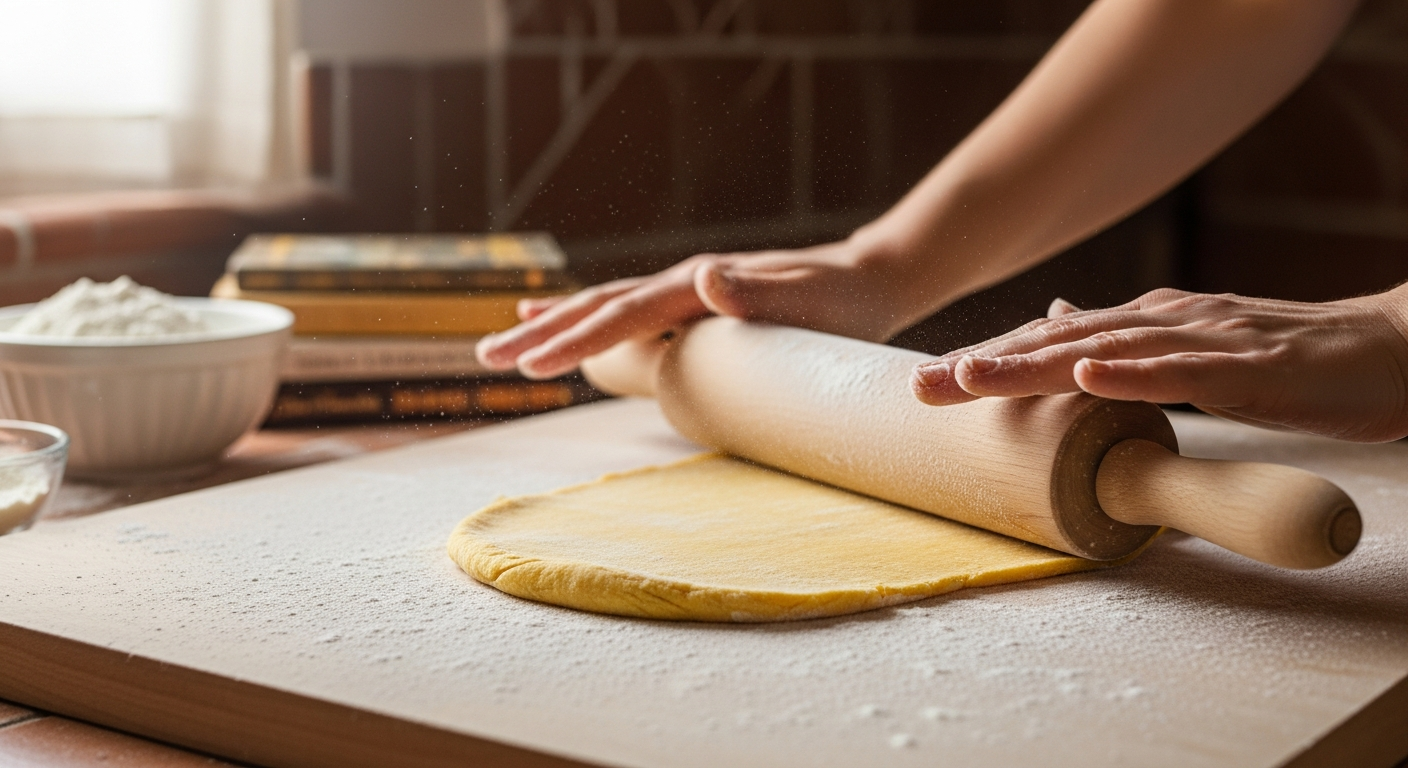
Making pasta from scratch sounds intimidating, but it only takes four ingredients and about 30 minutes. Once you taste homemade fettuccine, you will never go back to the boxed version again.
Why Homemade Pasta Changes Everything There is a moment every home cook eventually reaches: you bite into a bowl of fresh, handmade pasta and you realize that everything you thought you knew about Italian food was built on a polite lie. Store-bought pasta is fine. Homemade pasta is something else entirely — silky, tender, and alive with flavor in a way that dried noodles simply cannot replicate. The good news? Making pasta from scratch requires no special equipment, no culinary degree, and no more than 30 minutes of your time. All you need is flour, eggs, olive oil, and a little patience. The Two-Flour Secret Italian Grandmas Know Traditional Italian pasta is made with 00 flour — a super-fine, soft wheat flour that creates an incredibly smooth and elastic dough. If you cannot find 00 flour at your local store, all-purpose flour works perfectly well and produces a slightly heartier noodle that holds up beautifully to heavier sauces like Bolognese or mushroom ragù. For the absolute best results, try a 50/50 blend of 00 flour and semolina flour. The semolina adds a pleasant bite and helps the pasta hold sauce better by giving the surface a very slight roughness. The Basic Homemade Pasta Recipe (Serves 4) Ingredients 2 cups (250g) 00 flour or all-purpose flour, plus more for dusting 3 large eggs, room temperature 1 tablespoon extra-virgin olive oil ½ teaspoon fine sea salt Step-by-Step Instructions Make the well: Pour your flour onto a clean work surface and form it into a mound. Use your fingers to create a wide well in the center — it should look like a volcano. Add the eggs: Crack the eggs directly into the well. Add the olive oil and salt. Combine slowly: Using a fork, begin beating the eggs in a circular motion, gradually incorporating flour from the inner walls of the well. Work slowly to avoid the egg mixture escaping. Switch to your hands: Once the dough is shaggy and holds together, use your hands to bring it into a ball. Start kneading on a lightly floured surface. Knead for 8–10 minutes: Push the dough away with the heel of your hand, fold it back, rotate a quarter turn, and repeat. The dough should become smooth and elastic — like soft leather. If it sticks, add a tiny pinch of flour. If it cracks, add a few drops of water. Rest the dough: Wrap the dough tightly in plastic wrap and let it rest at room temperature for 30 minutes. This step is non-negotiable — resting allows the gluten to relax so you can roll it thin without it springing back. Roll and cut: Divide the dough into 4 portions. Working with one at a time (keep the rest covered), use a rolling pin or pasta machine to roll it out to about 1–2mm thickness. Dust generously with flour, roll loosely, and cut into your desired shape. Cook immediately: Drop fresh pasta into a large pot of well-salted boiling water. It cooks in just 2–3 minutes. Fresh pasta is done when it floats to the top and tastes tender with a very slight chew. Pasta Shapes and the Sauces That Love Them The shape of your pasta is not just aesthetic — it determines which sauce clings best. Fettuccine (flat, wide ribbons): Perfect for rich, creamy sauces like Alfredo or a butter-and-sage sauce. Tagliatelle (slightly narrower than fettuccine): The classic choice for Bolognese. The wide surface catches every bit of meaty sauce. Pappardelle (very wide ribbons): Pairs beautifully with slow-braised wild boar, lamb, or mushroom ragù. Maltagliati (rough, uneven triangles): The rustic "badly cut" pasta is wonderful with chunky vegetable or bean sauces. Farfalle (bow ties): Great with pesto, light cream sauces, or a fresh tomato salad pasta. Common Mistakes (And How to Fix Them) Dough is too sticky Add flour one tablespoon at a time. Humidity in your kitchen can cause the dough to absorb more flour on dry days versus humid ones. Trust your hands more than the recipe measurements. Dough keeps springing back when rolled You did not rest it long enough. Give it another 15 minutes and try again. The gluten just needs more time to relax. Pasta is gummy after cooking Your water was not salted enough, or you added too much pasta to a small pot. Always use a large pot with heavily salted water — it should taste like the sea. And never add oil to the cooking water; it prevents sauce from sticking to the pasta. Storing Homemade Pasta Fresh pasta can be stored in two ways: Refrigerator: Dust the cut noodles well with semolina flour, nest them into loose nests, and refrigerate in an airtight container for up to 2 days. Freezer: Arrange the nests on a parchment-lined tray and freeze until solid (about 1 hour), then transfer to a freezer bag. Cook straight from frozen — just add 1–2 extra minutes to the cook time. The Right Mindset Your first batch of homemade pasta might not be perfect, and that is completely okay. The dough might tear, the noodles might not be perfectly even, and you will probably flour your entire kitchen. None of that matters. What matters is that you made it, and it will taste extraordinary. The imperfections are what make it yours. Make it once and you will be hooked. Make it twice and you will be teaching your own friends how to do it. That is the magic of pasta. Conclusion Making pasta from scratch is one of the most rewarding skills a home cook can develop. Your first batch might be imperfect — uneven noodles, a sticky dough — but by the third time the process becomes intuitive. Start with simple fettuccine, master the basic recipe, and work outward from there. Once you taste homemade pasta, dried pasta genuinely loses its appeal. Ready to build more Italian cooking skills? Browse our full dinner recipe collection or explore our guide on mastering seasoning and spices to elevate every dish you make. Frequently Asked Questions Do I need a pasta machine to make homemade pasta? No — a rolling pin works perfectly. A pasta machine saves time and produces more consistent thickness, but it is not necessary. Italian nonnas made pasta by hand for centuries. For occasional pasta nights, a rolling pin and a little patience produce excellent results. How long does fresh pasta last? Refrigerate cut pasta dusted with semolina in an airtight container for up to 2 days. For longer storage, freeze it on a floured tray until solid, then transfer to a freezer bag — it keeps for up to 3 months. Cook straight from frozen, adding 1–2 minutes to the cook time. Why does my pasta stick together after cutting? Not enough flour dusting on the cut noodles. Use semolina rather than all-purpose flour — the coarser grain prevents clumping more effectively. Immediately after cutting, toss the pasta in semolina and either cook it right away or form into loose nests for storage. Can I make pasta dough the day before? Yes — wrap the unrolled dough tightly in plastic wrap and refrigerate for up to 24 hours. Remove it from the fridge 30 minutes before rolling so it returns to room temperature and becomes pliable again.