The Ultimate Pantry Staples Guide: Stock Your Kitchen Like a Pro
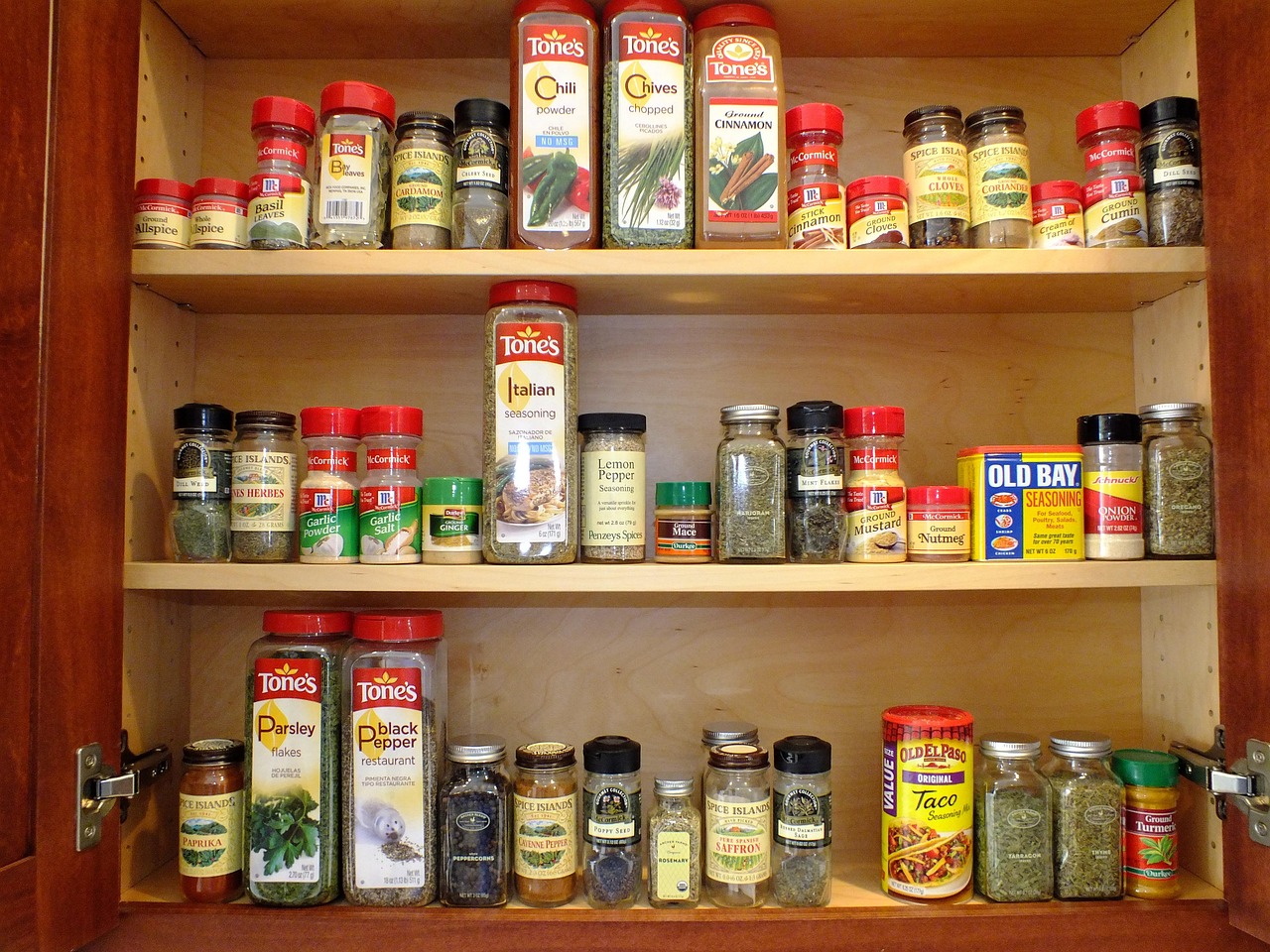
Build a well-stocked pantry with these essential ingredients that form the foundation of countless recipes. Learn what to buy, how to store it, and how to use it effectively.
# The Ultimate Pantry Staples Guide: Stock Your Kitchen Like a Pro A well-stocked pantry is the secret to effortless cooking. With the right staples on hand, you can create countless meals without emergency grocery runs. Whether you're a cooking beginner or seasoned home chef, understanding pantry fundamentals will transform your kitchen game. Let's build the ultimate pantry together. ## Why Pantry Staples Matter Think of your pantry as your cooking foundation—these ingredients form the base of most recipes you'll ever make. **Benefits of a well-stocked pantry:** - **Reduces grocery trips:** Buy staples in bulk, shop fresh ingredients as needed - **Saves money:** Prevents expensive takeout and impulse purchases - **Enables spontaneous cooking:** Always have ingredients for multiple meals - **Reduces food waste:** Use what you have instead of buying duplicates - **Emergency preparedness:** Ready for unexpected situations - **Cooking confidence:** Never wonder "what's for dinner?" **The pantry philosophy:** Stock ingredients, not meals. Flexible staples adapt to countless recipes, while pre-made meals limit options. ## Pantry Organization Principles Before we stock your pantry, let's talk organization. ### Storage Best Practices **1. Group by category** - Grains and pasta - Canned goods - Baking supplies - Oils and vinegars - Spices and seasonings - Snacks **2. Use clear containers** - Transfer bulk items to airtight containers - Label with contents and purchase date - Choose stackable, uniform containers - Glass or BPA-free plastic **3. First In, First Out (FIFO)** - Place newer items behind older ones - Check expiration dates regularly - Use oldest items first - Prevents waste and ensures freshness **4. Accessibility** - Frequently used items at eye level - Heavy items on lower shelves - Rarely used items up high or in back - Keep inventory list on door or in phone **5. Climate control** - Cool, dark, dry location ideal - Avoid heat sources (stove, dishwasher, windows) - Consistent temperature prevents spoilage - Humidity encourages pests and mold ## Grains and Starches These form the base of countless meals across all cuisines. ### Rice Varieties Keep at least two types on hand. **1. Long-grain white rice (Jasmine or Basmati)** - **Uses:** Side dishes, stir-fries, rice bowls, pilafs - **Shelf life:** 4-5 years - **Why essential:** Versatile, quick cooking, neutral flavor **2. Brown rice** - **Uses:** Healthier alternative, heartier flavor and texture - **Shelf life:** 6 months (contains oils that can go rancid) - **Storage tip:** Refrigerate or freeze for longer life **Optional:** Arborio (risotto), wild rice (blend), sushi rice (Japanese dishes) ### Pasta Stock both traditional and alternative pasta. **Must-have shapes:** - **Spaghetti or linguine:** Long pasta for classic dishes - **Penne or rigatoni:** Tube shapes hold sauce well - **Short pasta (rotini, farfalle, or orecchiette):** Versatile shapes for everything **Shelf life:** 2-3 years **Alternative pastas to consider:** - Whole wheat pasta (more fiber) - Lentil or chickpea pasta (higher protein, gluten-free) - Rice noodles (Asian cuisine) ### Other Grains **1. Quinoa** - Complete protein, cooks quickly - Uses: Salads, bowls, side dishes - Shelf life: 2-3 years **2. Oats (rolled or quick-cooking)** - Breakfast, baking, binding agent - Shelf life: 1-2 years **3. Couscous** - Cooks in 5 minutes, pasta-like - Mediterranean dishes, salads - Shelf life: 2 years **Optional:** Farro, barley, bulgur, polenta ### Dried Legumes and Beans Protein-packed, economical, shelf-stable. **Essential varieties:** - **Black beans:** Latin cuisine, soups, salads - **Chickpeas (garbanzo beans):** Hummus, Mediterranean, Indian dishes - **Lentils (brown or red):** Quick cooking, soups, stews, Indian dal **Bonus:** Canned versions for convenience (have both!) **Shelf life:** 2-3 years (quality decreases over time; older beans take longer to cook) ## Canned and Jarred Goods These provide instant flavor, nutrition, and meal-building blocks. ### Canned Tomatoes The foundation of countless recipes. **Must-have varieties:** - **Crushed tomatoes:** Pasta sauces, pizza sauce - **Diced tomatoes:** Chili, soups, stews - **Tomato paste:** Concentrated flavor, thickening **Quality matters:** San Marzano or fire-roasted for better flavor **Shelf life:** 18 months to 2 years ### Stocks and Broths Builds flavor in soups, grains, sauces. **Stock options:** - Chicken stock (most versatile) - Vegetable stock (vegetarian option) - Beef stock (hearty dishes) **Tip:** Better Than Bouillon paste takes less storage space and lasts longer after opening **Shelf life:** 3-5 years (unopened) ### Other Essential Canned Goods **Canned beans:** - Black beans, chickpeas, kidney beans, white beans - Rinse before using to reduce sodium - Shelf life: 3-5 years **Coconut milk:** - Curries, soups, desserts, smoothies - Full-fat for cooking, light for beverages - Shelf life: 2-5 years **Tuna or salmon:** - Quick protein, sandwiches, salads, pasta - Shelf life: 3-5 years **Olives and capers:** - Mediterranean flavor bombs - Pizza, pasta, salads, appetizers - Shelf life: 1-2 years after opening (refrigerated) ## Oils and Vinegars Fats and acids are essential to cooking. ### Cooking Oils **1. Extra virgin olive oil** - **Uses:** Dressings, finishing, low-heat cooking - **Storage:** Dark bottle, cool location - **Shelf life:** 12-18 months - **Quality tip:** Buy smaller bottles, use within months of opening **2. Neutral oil (vegetable, canola, or grapeseed)** - **Uses:** High-heat cooking, baking, frying - **Why:** High smoke point, neutral flavor - **Shelf life:** 1-2 years **3. Toasted sesame oil** - **Uses:** Asian dishes, finishing oil (not for cooking) - **Flavor:** Nutty, intense—a little goes a long way - **Shelf life:** 6 months after opening (refrigerate) **Optional:** Coconut oil (baking, high-heat), avocado oil (high smoke point) ### Vinegars **1. Balsamic vinegar** - **Uses:** Dressings, reductions, glazes - **Quality range:** Inexpensive for cooking, expensive for finishing - **Shelf life:** 3+ years **2. Red wine vinegar** - **Uses:** Vinaigrettes, marinades, pickling - **Shelf life:** 2-3 years **3. Rice vinegar** - **Uses:** Asian cuisine, sushi rice, delicate dressings - **Milder:** Than other vinegars - **Shelf life:** 2+ years **Optional:** Apple cider vinegar (health benefits, baking), white wine vinegar, sherry vinegar ## Condiments and Flavor Builders These add depth, umami, and complexity. ### Soy Sauce or Tamari - **Uses:** Asian dishes, marinades, stir-fries - **Tamari:** Gluten-free alternative - **Shelf life:** 2-3 years after opening (refrigerated) ### Hot Sauce - **Varieties:** Sriracha, Tabasco, Frank's RedHot, cholula - **Uses:** Heat and flavor in any cuisine - **Shelf life:** 3-5 years ### Mustard - **Dijon:** Dressings, marinades, sauces - **Yellow:** Sandwiches, potato salad - **Whole grain:** Texture and flavor - **Shelf life:** 1-2 years (refrigerated after opening) ### Worcestershire Sauce - **Uses:** Umami boost in marinades, burgers, bloody marys - **Shelf life:** Several years ### Honey - **Uses:** Sweetener, glazes, baking, tea - **Bonus:** Never spoils (crystallization is normal, not spoilage) - **Storage tip:** Heat gently to re-liquify ### Nut Butters - **Peanut butter:** Sandwiches, sauces, baking - **Almond butter:** Higher nutrition - **Shelf life:** 3-6 months after opening (natural varieties in fridge) ### Maple Syrup - **Uses:** Pancakes, baking, glazes - **Buy:** Real maple syrup, not pancake syrup - **Shelf life:** 1 year after opening (refrigerated) ## Baking Essentials Even non-bakers need these basics. ### Flours **1. All-purpose flour** - **Uses:** Baking, thickening, breading - **Shelf life:** 6-8 months (pantry), 1-2 years (freezer) **2. Whole wheat flour (optional)** - **Uses:** Healthier baking, heartier texture - **Shelf life:** 3 months (pantry), 6 months (freezer) ### Sugars **White granulated sugar:** - Baking, sweetening - Shelf life: Indefinite in airtight container **Brown sugar:** - Baking, glazes, sauces - Shelf life: 2 years - Tip: Keep soft with terracotta disk or bread slice **Powdered sugar:** - Frostings, dusting, delicate baking - Shelf life: 2 years ### Leavening Agents **Baking powder:** - Quick breads, cakes, pancakes - Shelf life: 6-12 months - Test: Add to water; should fizz **Baking soda:** - Cookies, cakes, cleaning - Shelf life: 2 years ### Vanilla Extract - **Uses:** Baking, desserts, coffee - **Buy:** Pure extract, not imitation - **Shelf life:** Indefinite (alcohol-based) ### Chocolate Chips - **Varieties:** Semi-sweet, dark, milk - **Uses:** Baking, snacking, melting - **Shelf life:** 1-2 years ## Spices and Dried Herbs These transform simple ingredients into memorable meals. ### Essential Spices **1. Salt** - **Kosher salt:** Cooking (Diamond Crystal or Morton's) - **Fine sea salt:** Baking, finishing - **Flaky salt (Maldon):** Finishing (optional but wonderful) **2. Black pepper** - **Buy:** Whole peppercorns, grind fresh - **Why:** Pre-ground loses flavor quickly - **Investment:** Quality pepper mill **3. Garlic powder** - **Not a garlic substitute:** Different application - **Uses:** Dry rubs, seasoning blends, when fresh garlic would burn **4. Onion powder** - **Uses:** Similar to garlic powder **5. Paprika** - **Sweet paprika:** Mild, colorful - **Smoked paprika:** Adds depth, smokiness - **Both:** Have different uses **6. Cumin** - **Uses:** Latin, Middle Eastern, Indian cuisine - **Earthy, warm:** Essential for chili, taco seasoning **7. Chili powder** - **Uses:** Chili, Mexican dishes, meat rubs - **Note:** Blend of spices, not pure chile **8. Red pepper flakes** - **Uses:** Pizza, pasta, stir-fries, any dish needing heat **9. Cinnamon** - **Uses:** Sweet and savory dishes - **Ceylon vs. Cassia:** Ceylon is milder, more complex **10. Oregano** - **Uses:** Italian, Mediterranean, Mexican cuisine - **Shelf life:** 2-3 years (dried herbs) **11. Basil (dried)** - **Uses:** Italian dishes when fresh isn't available **12. Thyme** - **Uses:** Versatile herb for proteins, vegetables, soups **13. Bay leaves** - **Uses:** Soups, stews, sauces (remove before serving) **14. Curry powder** - **Uses:** Indian-inspired dishes, quick flavor solution **15. Turmeric** - **Uses:** Color, anti-inflammatory properties, curries ### Spice Storage and Freshness **Storage tips:** - Airtight containers - Cool, dark, dry location - Away from heat and light - Label with purchase date **Shelf life:** - Whole spices: 3-4 years - Ground spices: 2-3 years - Dried herbs: 1-3 years **Freshness test:** Crush a small amount—should release strong aroma. If weak or musty, replace. **Pro tip:** Buy small quantities of spices you use infrequently. Better to buy twice than have stale spices. ## Refrigerator and Freezer Staples Some "pantry" essentials live in cold storage. ### Refrigerator Staples **Butter:** - Cooking, baking, finishing - Salted vs. unsalted (keep both) - Freezes well for long-term storage **Eggs:** - Baking, cooking, protein - Check freshness: Float test (fresh eggs sink) **Parmesan cheese:** - Finishing, flavor boost - Buy block, grate fresh - Lasts weeks properly stored **Fresh garlic and ginger:** - Essential aromatics - Store garlic at room temp, ginger in fridge - Can freeze ginger for easier grating **Lemons and limes:** - Acid, brightness, finishing - Zest and juice **Mayonnaise:** - Sandwiches, dressings, binding **Plain Greek yogurt:** - Substitute for sour cream, healthier baking, breakfast ### Freezer Staples **Frozen vegetables:** - Peas, corn, spinach, mixed vegetables - Nutritious as fresh, more convenient **Frozen fruits:** - Berries for smoothies and baking **Bread:** - Freezes perfectly, toast straight from freezer **Nuts:** - Extend shelf life, prevent rancidity - Pine nuts, walnuts, almonds, pecans **Homemade stock:** - Freeze in portions (ice cube trays, then transfer to bags) ## Building Your Pantry: Action Plan ### Week 1: Foundation Buy these first: - Olive oil, neutral oil - Salt, pepper - Pasta (2 shapes) - Rice (white and brown) - Canned tomatoes (crushed and diced) - Garlic powder, onion powder - All-purpose flour, sugar ### Week 2: Expansion Add these: - Beans (canned and dried) - Stock or broth - Soy sauce, hot sauce - Cumin, chili powder, paprika - Honey, maple syrup - Baking powder, baking soda ### Week 3: Refinement Round out with: - Vinegars (balsamic, rice) - Quinoa or couscous - Coconut milk - Dried herbs (oregano, thyme, basil) - Mustard, Worcestershire - Cinnamon, red pepper flakes ### Week 4: Personalization Add based on your cooking style: - Specialty spices for favorite cuisines - Favorite condiments - Nuts and nut butters - Chocolate chips, vanilla - Specialty oils or vinegars **Budget tip:** Buy one or two items each grocery trip rather than all at once. ## Using Your Pantry: Sample Meals With these staples, you can make: **Italian night:** - Pasta with homemade tomato sauce (canned tomatoes, garlic, olive oil, herbs) - Garlic bread **Taco Tuesday:** - Bean and rice bowls with toppings - Homemade taco seasoning (cumin, chili powder, paprika, garlic powder) **Stir-fry:** - Rice, frozen vegetables, soy sauce, sesame oil, garlic, ginger **Soup:** - Bean soup (dried beans, stock, canned tomatoes, herbs) - Vegetable soup (frozen vegetables, stock, pasta) **Breakfast:** - Oatmeal with honey and cinnamon - Pancakes (flour, eggs, milk, baking powder) - Scrambled eggs ## Pantry Maintenance **Monthly check:** - Inventory what you have - Note what's running low - Check expiration dates - Reorganize if needed **Quarterly deep clean:** - Remove everything - Check for pests - Wipe down shelves - Reorganize by category - Discard expired items **Annual review:** - Evaluate what you actually use - Stop buying items you don't use - Add new staples based on cooking evolution ## Common Mistakes to Avoid **1. Buying too much too fast** - Start with essentials, build gradually - Learn what you actually use **2. Ignoring expiration dates** - Rotate stock properly - Use oldest items first **3. Improper storage** - Airtight containers prevent staleness and pests - Cool, dark, dry location **4. Not using what you have** - Plan meals around pantry items - Shop your pantry before the store **5. Buying duplicates** - Keep inventory list - Check before shopping ## Conclusion: Your Kitchen's Foundation A well-stocked pantry isn't about having everything—it's about having the right things. These staples form the foundation of countless meals, giving you flexibility, spontaneity, and confidence in the kitchen. Start small, build gradually, and customize based on your cooking style and family preferences. Within a few months, you'll have a pantry that empowers you to cook anything, anytime, without the stress of wondering what's for dinner. The investment in pantry staples pays dividends in saved time, money, and stress. You're not just stocking shelves—you're building a tool that makes daily cooking easier and more enjoyable. What pantry staple can you not live without? Share your essential ingredients in the comments below!