Easy Zone Diet Recipes for Office Workers (Healthy & Balanced Meals)
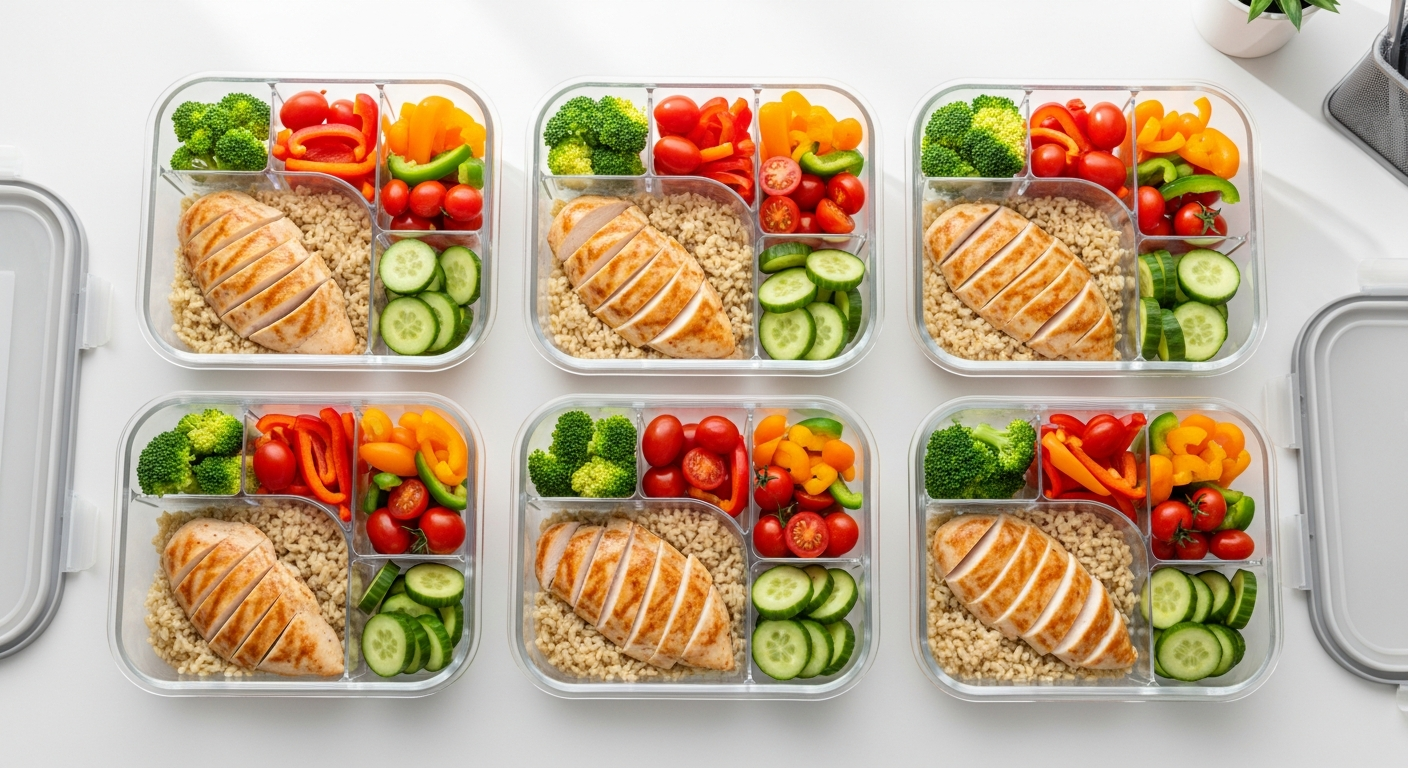
Discover easy Zone diet recipes for office workers that keep your energy steady all day. These balanced meals are quick to prep and easy to pack for work.
Why Zone Diet Recipes Work Perfectly for Office Workers If you struggle with the afternoon energy crash at your desk, Zone diet recipes for office workers could completely change your workday. The Zone Diet is built on a simple idea: every meal should contain 40% carbohydrates, 30% protein, and 30% fat. This precise balance keeps your blood sugar stable, your brain sharp, and your energy consistent — exactly what you need to stay productive from morning meetings to afternoon deadlines. Unlike crash diets that leave you hungry by 11am, Zone-balanced meals are designed to keep you full and focused for 4 to 5 hours at a time. And the best part? You do not need to be a professional chef or spend hours in the kitchen. Most of these meals take under 20 minutes to prepare. Table of Contents Why Zone Diet Works for Office Workers The Simple Zone Diet Formula 8 Easy Zone Diet Recipes for Work Zone Diet Meal Prep Tips What to Avoid at the Office Frequently Asked Questions The Simple Zone Diet Formula You do not need to count every calorie to eat in the Zone. Use the "hand-eye method" : Protein: A piece the size of your palm (chicken, tuna, turkey, eggs) Carbohydrates: Fill two-thirds of your plate with colorful, low-glycemic vegetables and a small amount of fruit or whole grains Fat: Add a small amount of healthy fat — olive oil, avocado, or a few nuts This ratio stabilizes insulin, reduces inflammation, and keeps your brain powered through back-to-back work hours. 8 Easy Zone Diet Recipes for Office Workers 1. Grilled Chicken and Veggie Meal Prep Bowl Cook a batch of grilled chicken breast on Sunday. Slice and pair with roasted bell peppers, broccoli, and a drizzle of olive oil over a small amount of brown rice. Store in meal prep containers for the week. This is the most reliable Zone diet recipe for office workers — simple, filling, and ready in minutes each morning. 2. Greek Yogurt Protein Parfait Layer plain Greek yogurt (protein), mixed berries (carbs), and crushed walnuts (fat). This is a perfect Zone-balanced breakfast or mid-morning snack that travels well in a small container. 3. Tuna Salad Lettuce Wraps Mix canned tuna with a small spoonful of mayo, diced celery, and lemon juice. Spoon into large romaine lettuce leaves. Add cherry tomatoes and cucumber on the side. Wrap in foil for a no-heat office lunch that takes 5 minutes to assemble. 4. Turkey and Avocado Whole Grain Wrap Spread a thin layer of hummus on a whole grain tortilla. Layer with sliced turkey breast, avocado, spinach, and cucumber. Roll tightly and slice in half. This wrap keeps well for up to 6 hours without refrigeration if kept in a cool bag. 5. Egg and Vegetable Frittata Muffins Whisk 6 eggs with chopped spinach, cherry tomatoes, and feta cheese. Pour into a muffin tin and bake at 375°F for 18 minutes. These protein-packed muffins are portable, delicious cold, and perfectly Zone-balanced with a piece of fruit on the side. 6. Salmon and Quinoa Power Bowl Bake a salmon fillet and flake it over a bowl of cooked quinoa, steamed asparagus, and half an avocado. Dress with lemon juice and olive oil. Make this in advance and reheat at the office for a restaurant-quality Zone diet lunch. 7. Chickpea and Spinach Salad Combine canned chickpeas (rinsed), baby spinach, cherry tomatoes, red onion, and feta cheese. Dress with olive oil and lemon juice. Chickpeas provide both protein and carbohydrates, making this a naturally Zone-friendly meal that requires zero cooking. 8. Turkey Meatball and Zucchini Noodle Box Make a batch of turkey meatballs (ground turkey, garlic, herbs, egg). Serve over spiralized zucchini with marinara sauce. Pack in a heat-safe container and reheat at the office microwave. This feels indulgent but is completely Zone-balanced. Zone Diet Meal Prep Tips for Office Workers Prep protein in bulk: Grill or bake a full week's worth of chicken, turkey, or fish on Sunday. Store in airtight containers in the fridge. Pre-portion snacks: Divide nuts, cut vegetables, and portion Greek yogurt into small containers so grabbing a Zone snack takes seconds. Use a cooler bag: An insulated lunch bag keeps your meals fresh and at safe temperatures all day. Label your containers: Write the day of the week on each meal prep container so mornings are completely stress-free. Keep Zone-friendly emergency food at your desk: Individual packs of almonds, protein bars with clean ingredients, and tuna pouches mean you are always covered even if meal prep falls through. What to Avoid at the Office Certain foods will knock you completely out of the Zone and send your energy and mood crashing: Sugary drinks and sodas — cause rapid blood sugar spikes followed by crashes Bread, bagels, and pastries at the office snack table — very high glycemic, disrupting your insulin balance Candy and chocolate bars — short energy burst, long energy crash Vending machine chips and crackers — high in refined carbs with zero protein or healthy fat to balance them The key principle: if a food would raise your blood sugar quickly with no protein or fat to slow it down, it is out of the Zone. Frequently Asked Questions Is the Zone diet hard to follow at work? Not at all. Once you understand the 40-30-30 balance, applying it becomes automatic. Most Zone-friendly office lunches require nothing more than prepping protein in advance and pairing it with vegetables and a small healthy fat. Can I eat Zone diet meals without a microwave? Yes. Many Zone recipes — wraps, salads, lettuce cups, and protein parfaits — are delicious cold. You do not need office kitchen facilities to eat well in the Zone. How many Zone meals should I eat per day? Most people do well with three Zone meals and one or two Zone snacks per day, spaced about 4-5 hours apart. This keeps insulin stable and prevents the hunger that leads to bad vending machine decisions. Is the Zone diet expensive? It does not have to be. Eggs, canned tuna, canned chickpeas, frozen vegetables, and Greek yogurt are all affordable Zone-friendly staples. Cooking at home and meal prepping for the week is significantly cheaper than buying lunch every day. Conclusion The Zone Diet offers office workers a practical, science-backed framework for eating that supports sustained energy, mental clarity, and body composition goals — without extreme restriction or complicated calorie counting. By balancing each plate across protein, carbohydrates, and healthy fat, you create a hormonal environment that keeps you focused and productive throughout the workday. Start with one Zone-balanced meal per day and build from there as the approach becomes natural. Explore more workplace nutrition strategies in our healthy workplace meal ideas guide or browse our full healthy recipe collection for more balanced meal inspiration. Frequently Asked Questions What is the Zone Diet in simple terms? The Zone Diet, developed by biochemist Dr. Barry Sears, targets a macronutrient ratio of 40% carbohydrates, 30% protein, and 30% fat at every meal. The theory is that this ratio minimizes inflammation and regulates insulin response, producing steady energy and optimal hormonal balance throughout the day — particularly beneficial for office workers who need consistent mental performance. How is the Zone Diet different from keto or paleo? Unlike keto, the Zone Diet is not low-carb — it includes moderate carbohydrates, prioritizing low-glycemic sources. Unlike paleo, it does not restrict dairy or legumes. The Zone is more moderate and sustainable for most people, making it considerably easier to maintain long-term compared to more restrictive approaches. Can I follow the Zone Diet without counting blocks? Yes — the hand-eye method works well as an approximation. Fill one-third of your plate with lean protein (palm-sized), two-thirds with colorful low-glycemic carbohydrates (vegetables and limited fruit), and add a small amount of healthy fat (a drizzle of olive oil, a few olives, or a quarter avocado). This visual method captures the Zone ratios without precise calculations. Is the Zone Diet evidence-based? Multiple peer-reviewed studies have examined the Zone Diet's effects on inflammation, body composition, and metabolic markers with generally positive findings. As with any dietary approach, individual responses vary, and consulting a registered dietitian is recommended before making significant changes to your eating patterns.