Technique
How to Hard Boil Eggs That Are Easy to Peel
How to hard boil eggs with tender whites and no green ring, two reliable methods, a timing chart for soft to hard yolks, and tips for easy peeling.
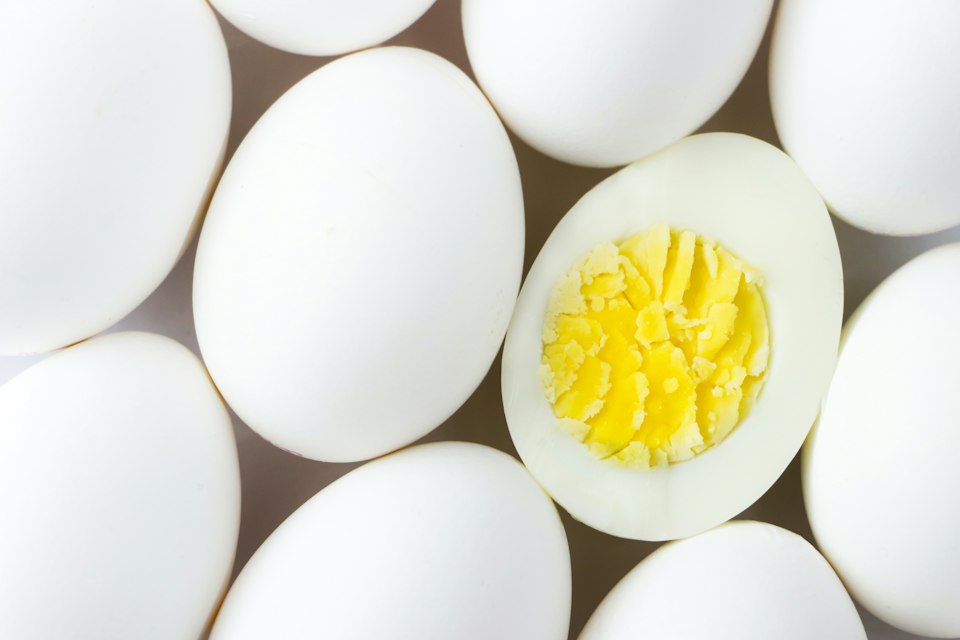
Perfect hard-boiled eggs have tender whites, a fully set yellow yolk with no grey-green ring, and shells that slip off in large pieces. Here is how to hard boil eggs reliably, with a timing chart so you can get exactly the yolk you like.
Why eggs are hard to peel
Very fresh eggs are harder to peel because the membrane under the shell clings tightly to the white. As eggs age, the white becomes more alkaline and lets go of the membrane more easily. Eggs that have been in your fridge for a week or so peel better than ones bought yesterday.
The cooking method matters even more. Putting eggs into water that is already boiling, rather than starting them in cold water, sets the outer white quickly so it pulls away from the membrane. That is why we recommend the hot-start method below.
Method 1: Hot start (easiest to peel)
- Bring a saucepan of water to a boil. Use enough to cover the eggs by about 1 inch (2.5 cm).
- Use a slotted spoon to lower cold eggs straight from the fridge gently into the water.
- Turn the heat down to a steady simmer, not a rolling boil, so the eggs don't crack against each other.
- Simmer large eggs for 11 to 12 minutes for firm, fully set yolks.
- Move the eggs immediately into a bowl of ice water and leave them for at least 15 minutes.
Method 2: Cold start
If you prefer the traditional method, place the eggs in a single layer in a saucepan and cover them with cold water by 1 inch. Bring to a full boil over high heat, cover, remove the pan from the heat, and leave the eggs in the hot water for 12 minutes for large eggs. Chill them in ice water as above. This method is gentle and rarely cracks shells, but peeling can be less predictable.
Egg boiling times
These times are for large eggs taken straight from the fridge and lowered into simmering water. Add about 1 minute for extra-large eggs.
| Time | Result |
|---|---|
| 6 minutes | Set white, runny yolk |
| 7 to 8 minutes | Jammy, soft-centred yolk |
| 9 to 10 minutes | Mostly set yolk, slightly soft in the middle |
| 11 to 12 minutes | Fully set, creamy hard-boiled yolk |
Food-safety agencies advise fully cooked yolks for young children, older adults, pregnant people and anyone with a weakened immune system. The kitchen timers make it easy to cook batches to different doneness at once.
How to peel hard-boiled eggs
- Chill the eggs fully. Warm eggs are much harder to peel.
- Tap the wide end, where the air pocket is, on the counter, then roll the egg gently to crack the shell all over.
- Start peeling from the wide end, getting under the membrane, not just the shell.
- Peel under a trickle of cold water or in the bowl of ice water to help loosen stubborn pieces.
Why yolks turn green
A grey-green ring around the yolk is harmless. It forms when eggs are overcooked or cooled slowly: iron in the yolk reacts with sulphur in the white. Stick to the timings above and chill the eggs in ice water right away to prevent it.
How long hard-boiled eggs last
Refrigerate hard-boiled eggs within 2 hours of cooking. In the shell or peeled, they keep for up to 1 week in the fridge (USDA). Store peeled eggs in a covered container so they don't absorb other smells. Hard-boiled eggs don't freeze well: the whites turn rubbery and watery.
They are an easy part of a week's prep. See breakfast meal prep for a full plan, and how long leftovers last for other foods.
Ways to use them
Halve them over a salad, slice them onto toast, or pack them as a protein-rich snack. If you want eggs cooked a different way, try shakshuka, where eggs poach gently in a spiced tomato sauce.
Food-safety source: USDA Food Safety and Inspection Service, “Shell Eggs from Farm to Table.”
Recipes from this article
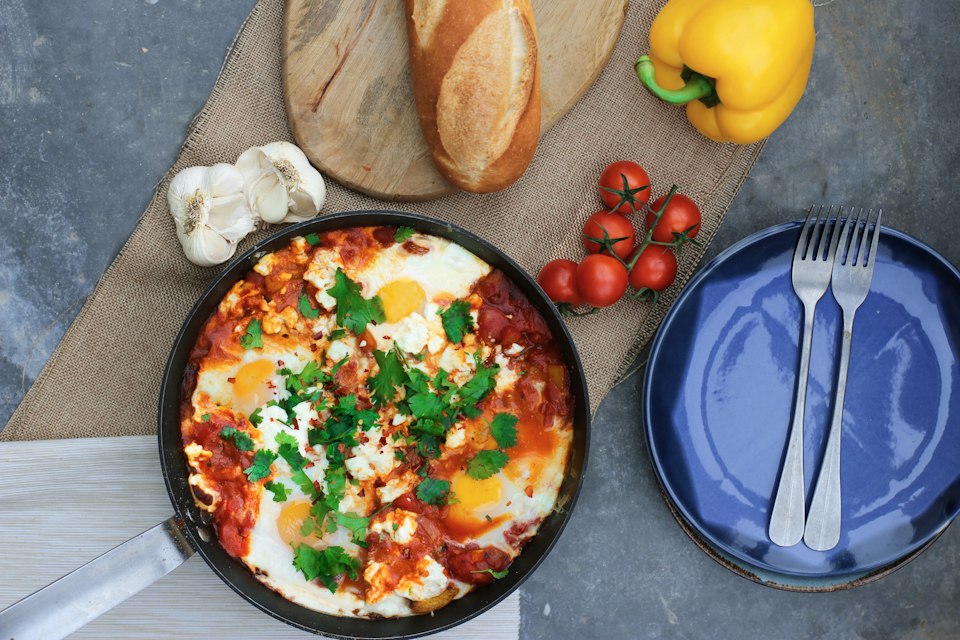
Shakshuka
Eggs gently poached in a cumin-and-paprika spiced tomato and pepper sauce. A one-pan breakfast or dinner in about 35 minutes.
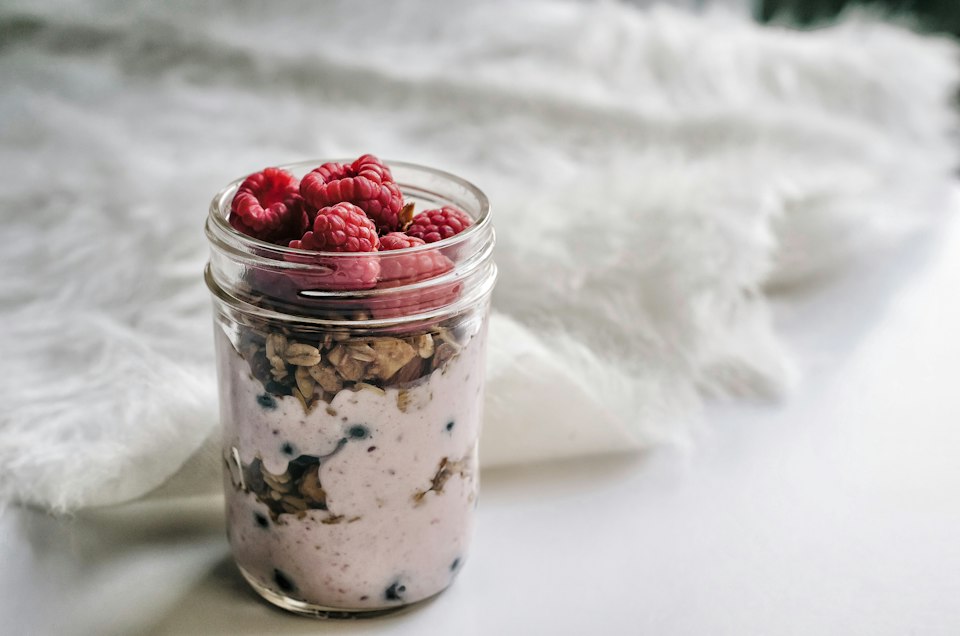
Berry Overnight Oats
No-cook rolled oats soaked overnight in milk and yogurt with chia seeds, topped with berries. Five minutes of prep the night before.
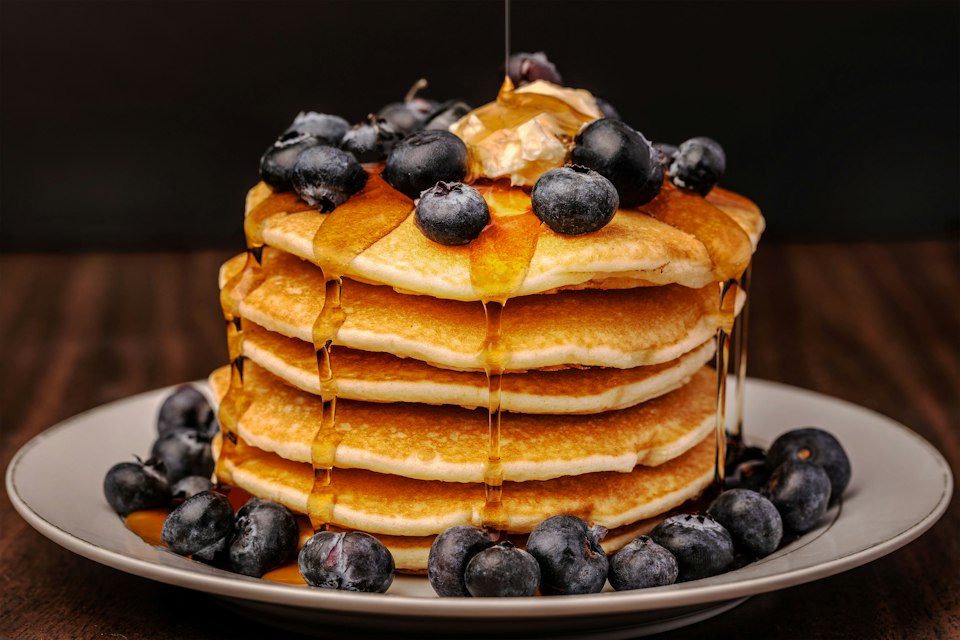
Fluffy Buttermilk Pancakes
Tall, tender buttermilk pancakes made with pantry staples. Makes about 12 pancakes in 30 minutes.
More from the blog
How to Cook Rice on the Stove (Fluffy Every Time)
How to cook rice on the stove: water ratios for white and brown rice, timing, why resting matters, and how to store cooked rice safely.
How to Caramelize Onions: A Step-by-Step Guide
How to caramelize onions properly: how long it really takes, the right heat, how to deglaze, a faster method, and how to store and freeze them.