Technique
How to Season a Cast Iron Skillet
How to season a cast iron skillet in the oven, which oil to use, daily cleaning and care, and how to restore a rusty pan.
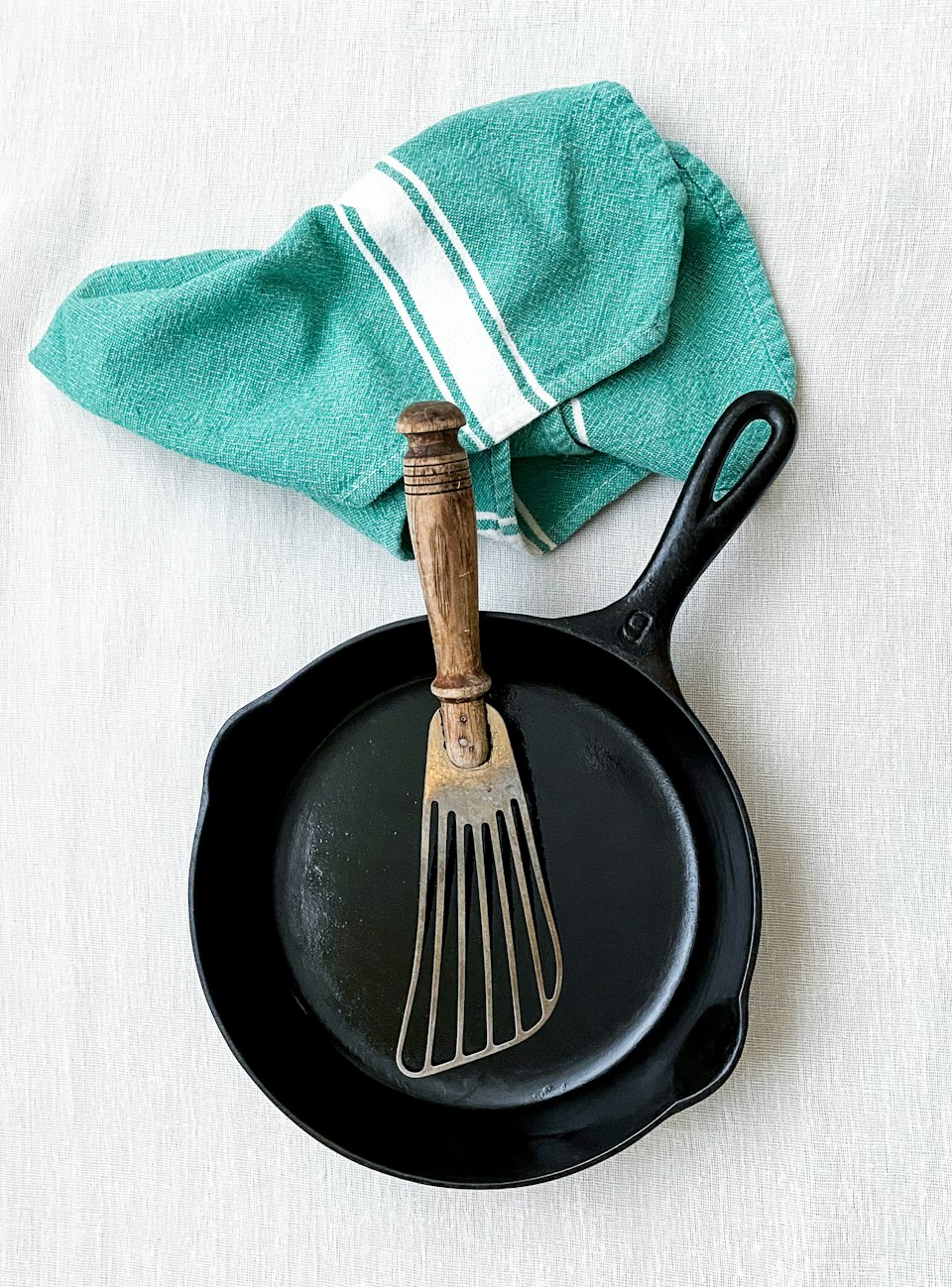
A well-cared-for cast iron skillet lasts for generations, sears beautifully and becomes more non-stick the more you use it. The secret is seasoning: layers of oil baked onto the iron. Here is how to season a cast iron skillet from scratch, how to keep it in good shape, and how to rescue one that has rusted.
What seasoning is
Seasoning is not a coating you buy; it is oil that has been heated past its smoke point until it polymerizes, bonding to the iron as a hard, slick, dark layer. Each thin layer you add makes the surface smoother and more resistant to rust and sticking. Most new skillets come pre-seasoned, but extra coats at home improve them.
Which oil to use
Use a neutral oil with a fairly high smoke point that you have in the kitchen: vegetable oil, canola oil, shortening or a commercial seasoning spray all work well. Flaxseed oil makes a very hard finish but is prone to flaking and is expensive; it isn't necessary. Avoid butter and unrefined oils, which burn and turn sticky.
How to season a cast iron skillet in the oven
- Heat the oven. Set it to 450°F (230°C). Put a sheet of foil or a baking sheet on the lower rack to catch drips.
- Wash. Scrub the skillet with warm, soapy water. For a new pan this removes any residue; for a used one, it removes old food.
- Dry completely. Towel-dry, then set the skillet over medium heat for a few minutes until every bit of moisture has evaporated. Any water left behind leads to rust.
- Oil thinly. With a paper towel, rub about 1 teaspoon of oil over every surface: inside, outside, the handle and the bottom.
- Wipe it off. Using a clean paper towel, wipe the pan as if you were trying to remove all the oil. Only a microscopic film should remain. Too much oil is the main cause of sticky, blotchy seasoning.
- Bake. Place the skillet upside down on the upper rack and bake for 1 hour.
- Cool. Turn off the oven and let the skillet cool inside it.
- Repeat. For a new or stripped pan, repeat steps 4 to 7 three or four times to build a solid base.
The oil will smoke while it bakes. Run your kitchen fan and open a window.
Everyday cleaning and care
- Clean it while it's warm. Wipe out food, then rinse with hot water and scrub with a brush or a pan scraper. A little dish soap is fine: modern dish soap does not strip polymerized seasoning.
- Never soak it and never put it in the dishwasher. Both cause rust.
- Dry it on the stove over low heat for a minute or two.
- Oil it lightly while it is still warm: a few drops rubbed in with a paper towel, then wiped off.
- Store it dry, with a paper towel inside if you stack other pans on top.
What to cook (and what to avoid) at first
Cooking with fat is the best way to keep improving the seasoning. Start with foods that leave oil behind: fried eggs with plenty of butter, pan-fried potatoes, cornbread, seared meat, and pancakes.
Until the seasoning is well built up, avoid long simmers of acidic food such as tomato sauce or wine braises, which can strip seasoning and give a metallic taste. A short cook is fine; our shakshuka works well in a seasoned skillet. Just don't store acidic leftovers in cast iron.
How to restore a rusty skillet
- Scrub away the rust with steel wool and a little soapy water until you reach bare, grey iron.
- Rinse and dry immediately on the stove.
- Season it 3 or 4 times using the oven method above.
Light surface rust, the orange film that appears after a pan is left wet, usually wipes off with a scrub and needs only one new layer of seasoning. Deep pitting or a crack means the pan should be retired.
Troubleshooting
- Sticky surface: too much oil. Bake it again for an hour at 450°F (230°C) to finish polymerizing, and use less oil next time.
- Black flakes: usually carbonized food, not seasoning. Scrub with a brush and coarse salt.
- Food sticks: the seasoning is still thin, or the pan wasn't hot enough before adding food. Preheat over medium heat for several minutes and use enough fat.
Learn which tasks suit cast iron best in our guide to getting browning, not steaming.
Recipes from this article
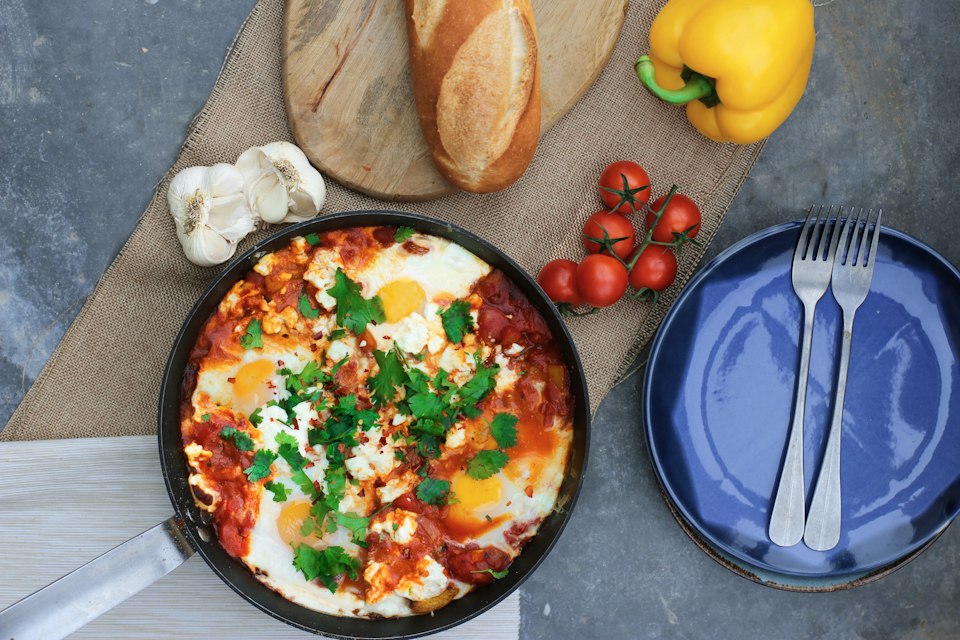
Shakshuka
Eggs gently poached in a cumin-and-paprika spiced tomato and pepper sauce. A one-pan breakfast or dinner in about 35 minutes.
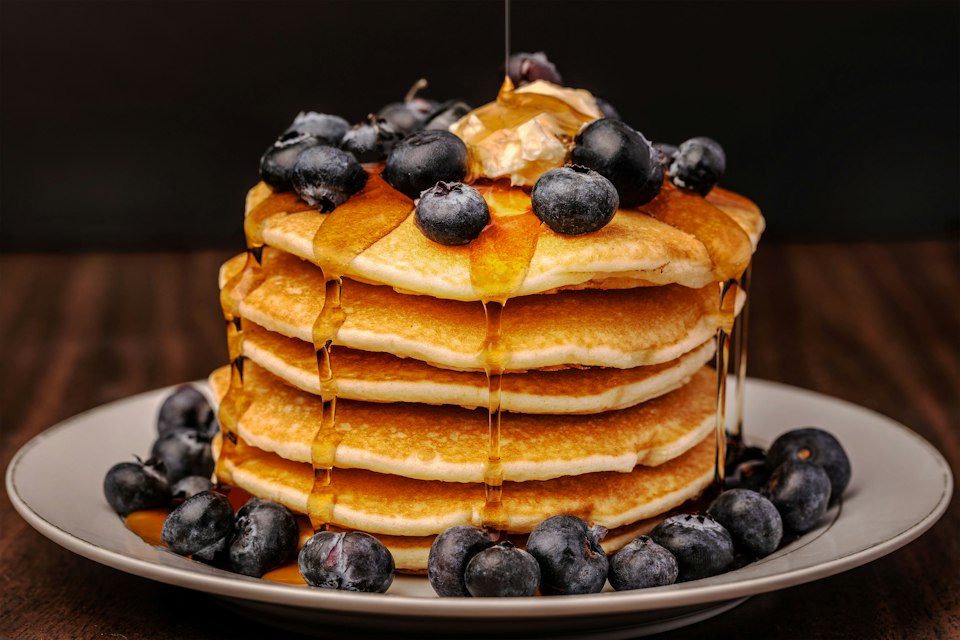
Fluffy Buttermilk Pancakes
Tall, tender buttermilk pancakes made with pantry staples. Makes about 12 pancakes in 30 minutes.
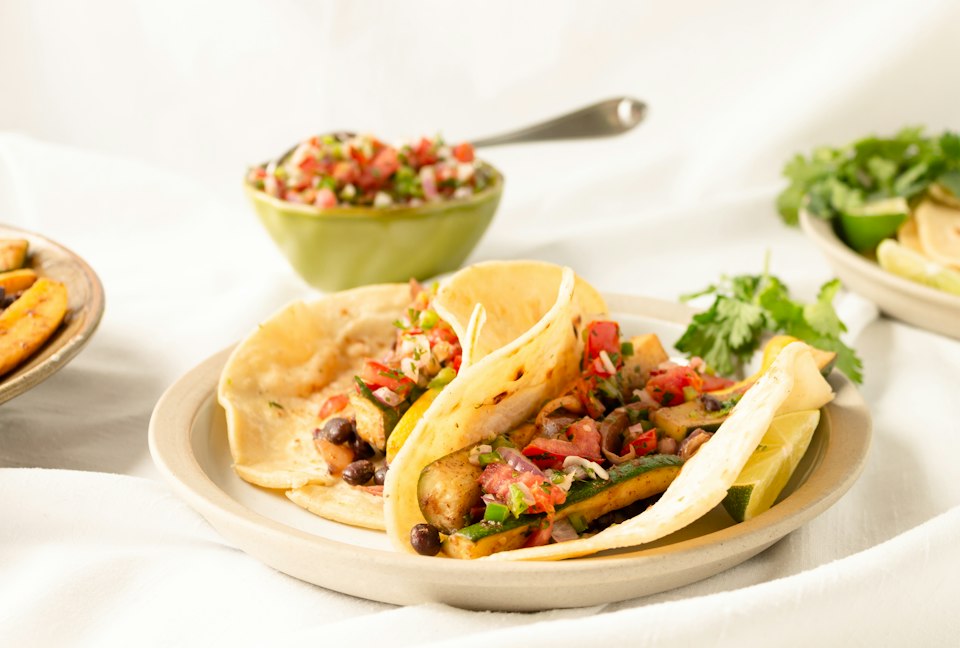
Crispy Black Bean Tacos
Pan-fried corn tortillas filled with spiced mashed black beans and melted cheese, topped with a quick lime slaw. 30 minutes.
More from the blog
How to Cook Rice on the Stove (Fluffy Every Time)
How to cook rice on the stove: water ratios for white and brown rice, timing, why resting matters, and how to store cooked rice safely.
How to Hard Boil Eggs That Are Easy to Peel
How to hard boil eggs with tender whites and no green ring, two reliable methods, a timing chart for soft to hard yolks, and tips for easy peeling.