Technique
How to Soften Butter Quickly Without Melting It
How to soften butter quickly for baking: what softened butter should feel like, five fast methods that work, and why melted butter ruins cookies and cakes.
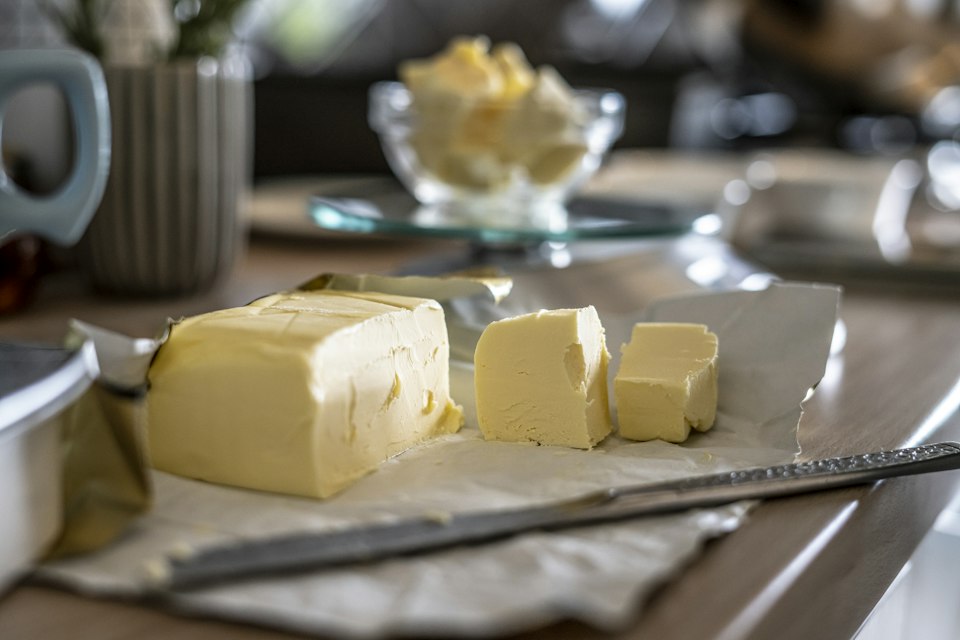
Many baking recipes start with “cream the softened butter and sugar,” and nothing slows you down like a rock-hard stick from the fridge. Here is how to soften butter quickly, how to tell when it's ready, and why the microwave is riskier than it looks.
What “softened butter” means
Softened butter is about 65 to 68°F (18 to 20°C), cooler than many kitchens. It should:
- Hold its shape when you pick it up.
- Dent easily when you press it with a finger, without your finger sliding in.
- Bend without cracking.
- Look matte, not shiny or greasy.
At this temperature butter is flexible enough to trap tiny air bubbles when creamed with sugar. Those bubbles expand in the oven and give cakes and cookies their lift. Butter that is too warm or melted can't hold air, so baked goods spread flat and turn dense or greasy. That is why melted butter is not a substitute for softened butter, unless the recipe calls for it.
How long butter takes to soften on its own
A whole stick (½ cup, 113 g) straight from the fridge takes 30 to 60 minutes at room temperature, depending on how warm your kitchen is. If you plan ahead, this is the most reliable method.
Five ways to soften butter quickly
1. Cut it into cubes (15 to 20 minutes)
Cut the cold butter into ½-inch (1 cm) cubes and spread them out on a plate. More surface area means much faster softening. This is our go-to method.
2. Grate it (5 to 10 minutes)
Grate cold butter on the large holes of a box grater onto a plate. The thin shreds soften within minutes. This works well when you're creaming butter and sugar or rubbing butter into flour for a crumble.
3. Pound it flat (about 5 minutes)
Place the stick between two sheets of parchment or in a zip-top bag and pound it with a rolling pin until it is about ¼ inch (5 mm) thick. Pounding warms it slightly and makes it pliable.
4. Warm glass method (about 10 minutes)
Fill a tall glass with hot water and let it stand for a minute. Empty it, dry it, and turn it upside down over the stick of butter on a plate. The trapped warmth softens the butter evenly without melting it.
5. Microwave, very carefully
Microwaves heat unevenly, so butter often melts in the centre while the edges stay hard. If you must, cut the butter into pieces and use the defrost or 30% power setting in 5-second bursts, checking after each one. Stop as soon as it dents easily. If it melts, see below.
If you melt the butter by accident
Don't use it for creaming. Chill it in the fridge, stirring every few minutes, until it firms up to a soft, opaque paste, or save the melted butter for a recipe that uses it, like our buttermilk pancakes. Melted and resolidified butter behaves slightly differently, so for cakes, starting with a new stick is safest.
Is it safe to leave butter out?
Butter is mostly fat with little water, so it is low risk at room temperature for short periods. Softening it on the counter for an hour or two is fine. If you keep butter out for spreading, use a covered butter dish, keep only what you'll use in a few days, and keep it away from heat and sunlight, which turn it rancid.
Butter measurements
One US stick of butter is ½ cup, 8 tablespoons or 113 grams. For other conversions, see our kitchen measurement conversions or the unit converter.
Ready to bake?
Put your softened butter to work in brown butter chocolate chip cookies (which actually use melted, browned butter) or the crumble topping for spiced apple crumble, which uses cold butter rubbed into flour. Out of butter altogether? The substitutes tool has options.
Recipes from this article
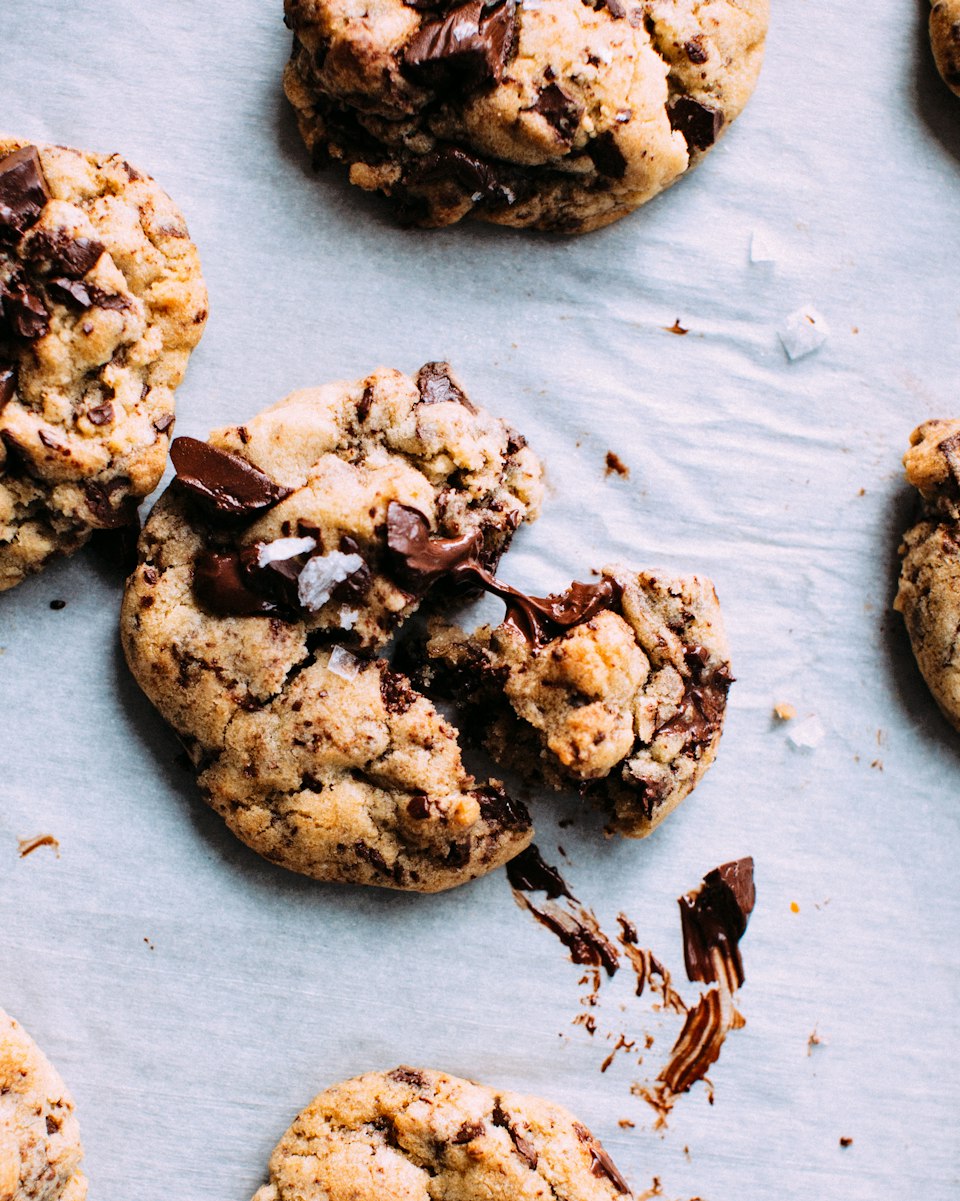
Brown Butter Chocolate Chip Cookies
Chewy chocolate chip cookies with nutty browned butter and crisp edges. Makes about 24 cookies.
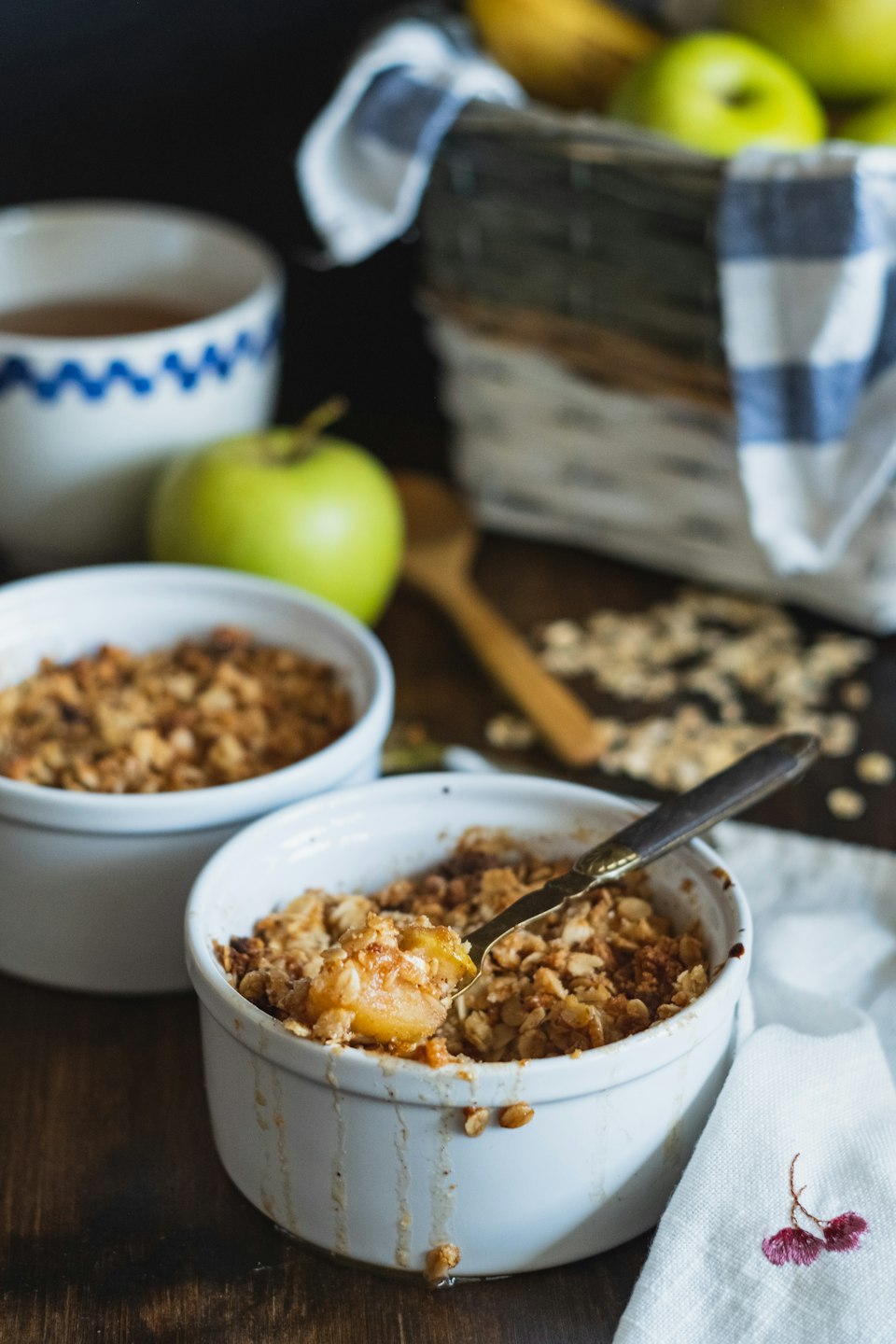
Spiced Apple Crumble
Cinnamon-spiced baked apples under a crisp oat and brown sugar topping. Serves 6; about 1 hour, mostly in the oven.
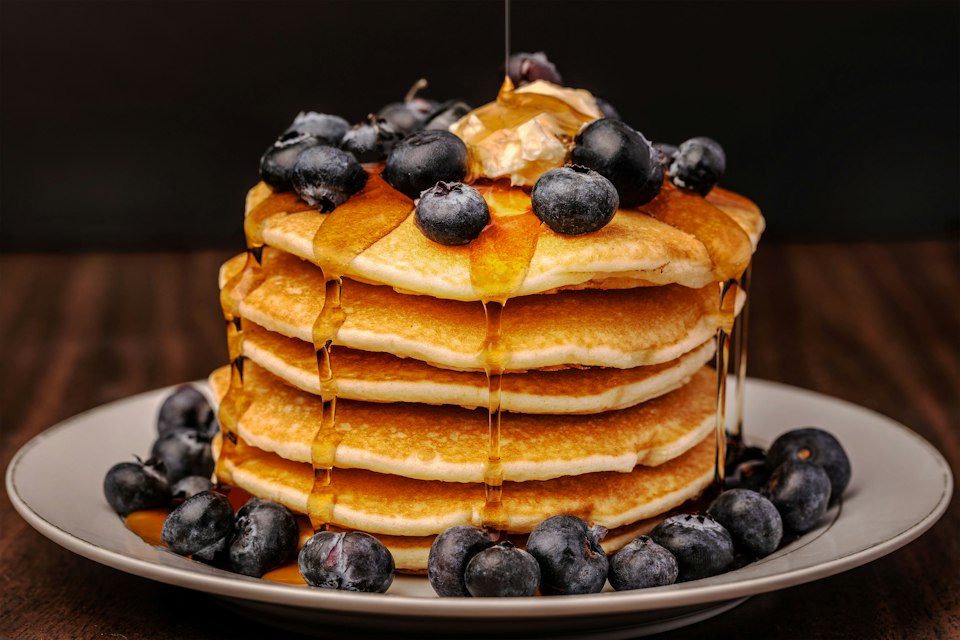
Fluffy Buttermilk Pancakes
Tall, tender buttermilk pancakes made with pantry staples. Makes about 12 pancakes in 30 minutes.
More from the blog
How to Cook Rice on the Stove (Fluffy Every Time)
How to cook rice on the stove: water ratios for white and brown rice, timing, why resting matters, and how to store cooked rice safely.
How to Hard Boil Eggs That Are Easy to Peel
How to hard boil eggs with tender whites and no green ring, two reliable methods, a timing chart for soft to hard yolks, and tips for easy peeling.