Technique
How to Thicken Soup: 8 Methods That Work
How to thicken soup with cornstarch, flour, a roux, potatoes, bread, beans, cream or blending, including gluten-free options and amounts to use.

A soup that comes out thin and watery is easy to fix. The right way to thicken soup depends on what kind of soup it is, whether you need it gluten-free, and how much time you have. Here are eight methods, with amounts, and which soups each one suits.
Before you add anything: simmer it down
The simplest thickener is time. Simmer the soup uncovered so some of the water evaporates; the flavour concentrates as the soup thickens. This works best when the soup is only slightly thin. Taste for salt afterward, because reducing makes it saltier.
1. Cornstarch slurry
Best for clear and brothy soups, stir-fry-style sauces and when you want a quick fix.
- For every 2 cups (480 ml) of soup, whisk 1 tablespoon cornstarch into 2 tablespoons cold water until smooth.
- Stir the slurry into the simmering soup.
- Simmer for 1 to 2 minutes, stirring, until the soup turns glossy and thickens. It won't reach full thickness until it bubbles.
Never add cornstarch directly to hot liquid, or it will form lumps. Cornstarch can thin out again if boiled for a long time or frozen, so add it near the end. It is naturally gluten-free.
2. Flour slurry
Whisk 2 tablespoons all-purpose flour into ¼ cup cold water or broth per 2 cups of soup, stir it in, and simmer for at least 5 minutes to cook out the raw flour taste. Flour gives an opaque, matte finish, which suits creamy and stew-like soups.
3. Roux
A roux is equal parts fat and flour cooked together, and it is the classic base for chowders and gumbo. For a medium-thick soup, cook 2 tablespoons butter with 2 tablespoons flour for 2 to 3 minutes, then gradually whisk in about 2 cups of the hot soup liquid before returning everything to the pot. A roux is easiest to add at the start of a recipe, after sautéing the vegetables.
4. Beurre manié
When a finished soup needs thickening, knead together equal amounts of soft butter and flour, about 1 tablespoon of each, into a paste. Whisk small pieces into the simmering soup until it thickens, then simmer for a few minutes. The butter coats the flour so it doesn't clump.
5. Blend part of the soup
For bean, lentil and vegetable soups, scoop out 1 to 2 cups, blend until smooth, and stir it back in. An immersion blender pulsed a few times in the pot does the same job. You get a thicker, creamier soup with no added starch or flour. If you use a countertop blender with hot soup, fill it no more than halfway and vent the lid with a towel over it.
6. Potato or bread
Starchy vegetables thicken soup naturally. Simmer a diced potato in the soup until very soft, then mash or blend it in. In a pinch, 2 to 3 tablespoons of instant potato flakes thicken about 4 cups of soup within minutes. Stale bread, torn and simmered then blended, is the traditional thickener for Italian and Spanish soups.
7. Beans, lentils or oats
A handful of red lentils simmered for 15 to 20 minutes dissolves into a soup and adds body and protein. Mashed canned white beans or a couple of tablespoons of rolled oats also work in hearty soups.
8. Cream, yogurt or cheese
Stirring in heavy cream, coconut milk, or grated Parmesan adds richness as well as some body. Add dairy at the end over low heat and don't let it boil, or it may curdle. For yogurt, temper it first by whisking in a ladle of hot soup, then stir it in off the heat.
Which thickener to choose
| Method | Gluten-free | Best for |
|---|---|---|
| Simmering down | Yes | Any soup that is slightly thin |
| Cornstarch or arrowroot | Yes | Clear soups, quick fixes |
| Flour, roux, beurre manié | No | Chowders, creamy and stew-like soups |
| Blending | Yes | Bean, lentil and vegetable soups |
| Potato, lentils, oats | Yes* | Hearty soups |
| Cream, coconut milk, cheese | Yes | Finishing smooth soups |
*Use oats labelled gluten-free if you need to avoid gluten.
If you over-thicken it
Stir in hot broth or water a little at a time until it is right, then adjust the seasoning. Soups also thicken as they cool and in the fridge, so leftover soup often needs loosening when reheated.
Our butternut squash soup and creamy tomato soup are thickened by blending alone. Cornstarch, arrowroot and other swaps are in the ingredient substitutes tool, and you can learn how to freeze soup once it's just right.
Recipes from this article
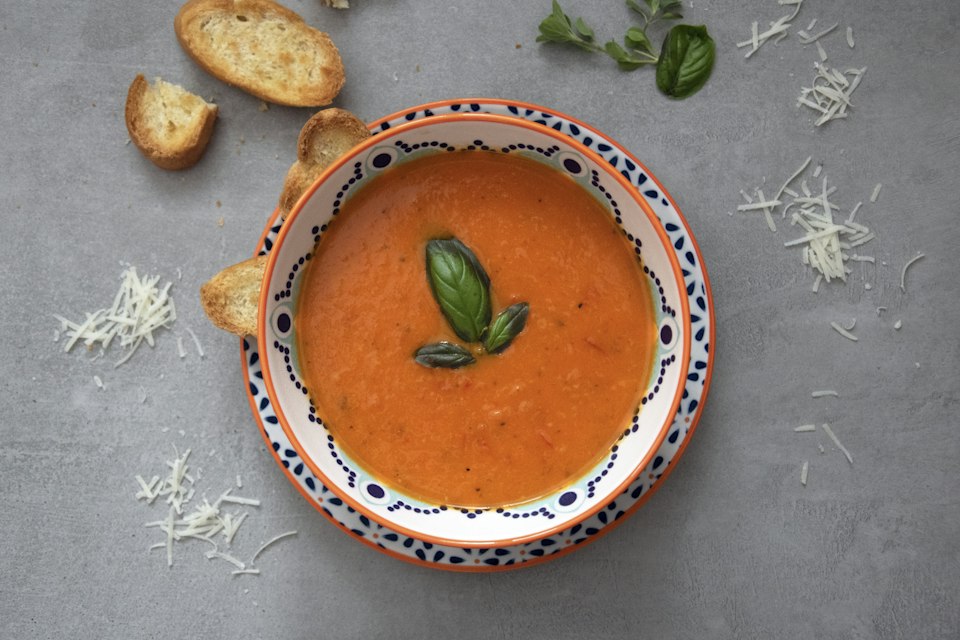
Creamy Tomato Soup
Smooth tomato soup made from canned whole tomatoes, onion and garlic, finished with cream and basil. About 40 minutes.

Roasted Butternut Squash Soup
Silky vegan butternut squash soup: the squash is roasted first for deeper flavour, then simmered with onion, garlic and a little nutmeg.
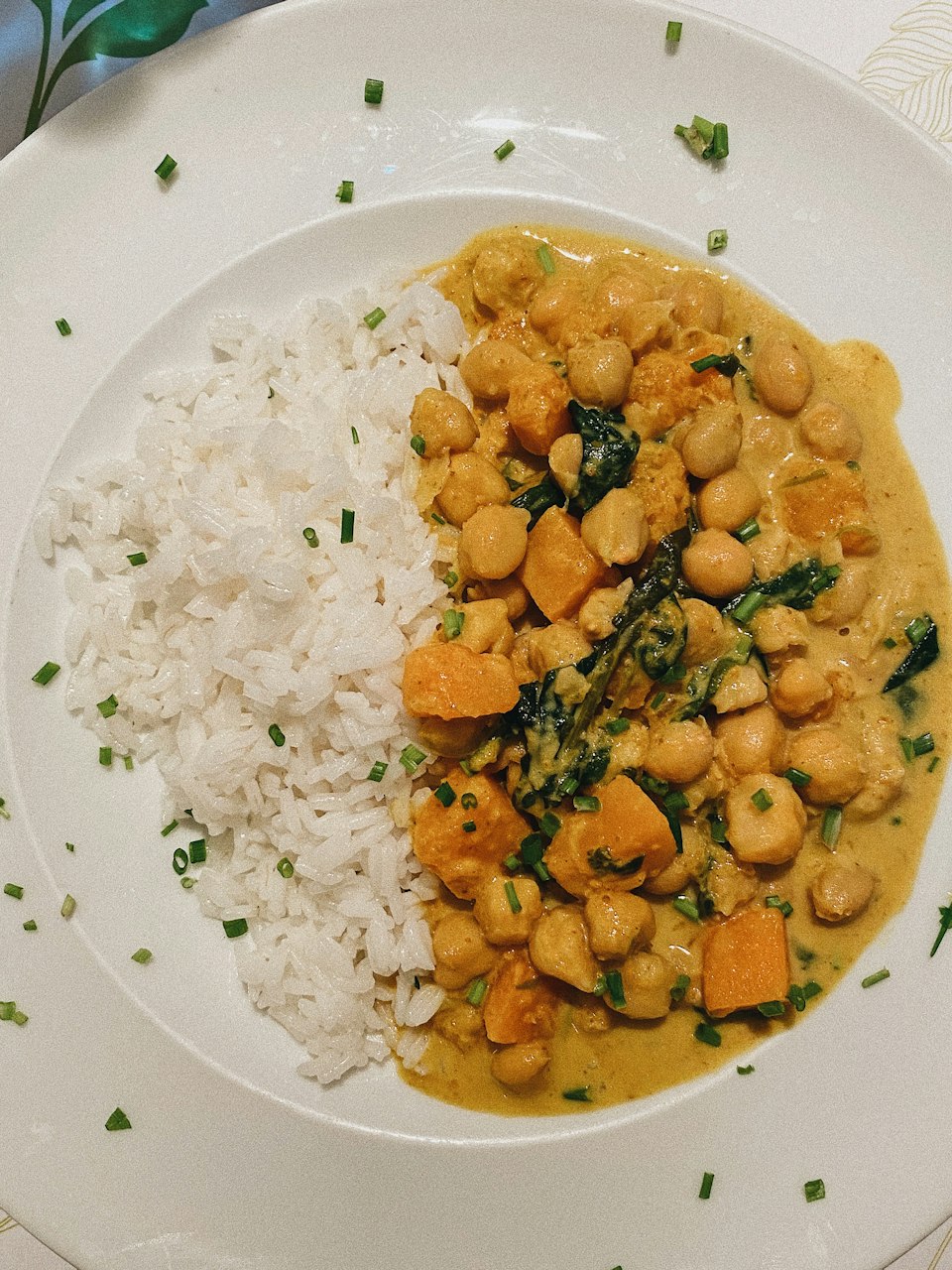
Chickpea and Spinach Coconut Curry
A pantry-friendly vegan curry of chickpeas, tomatoes and coconut milk, finished with spinach and lime. Ready in about 35 minutes.
More from the blog
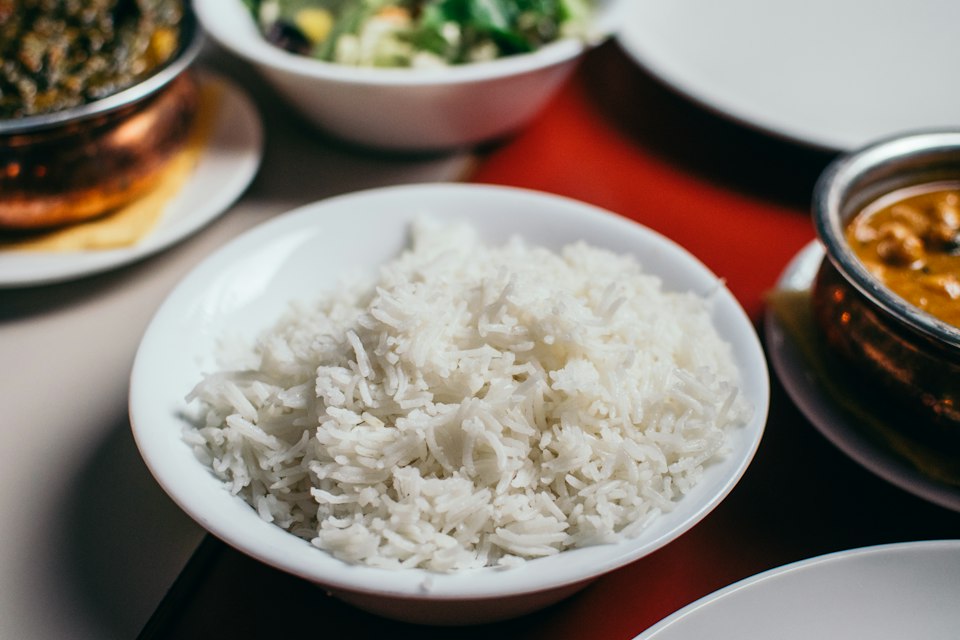
How to Cook Rice on the Stove (Fluffy Every Time)
How to cook rice on the stove: water ratios for white and brown rice, timing, why resting matters, and how to store cooked rice safely.
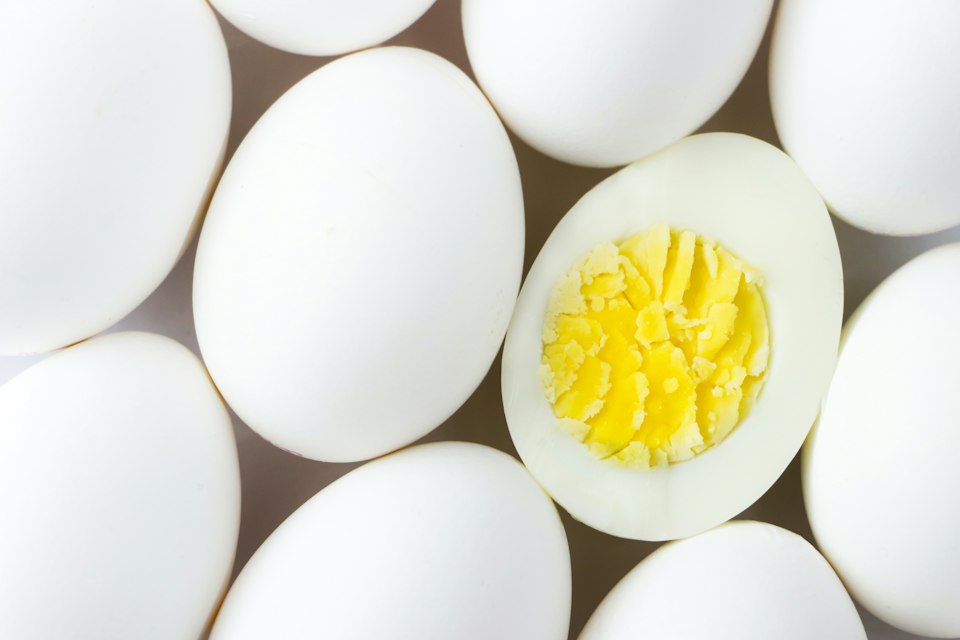
How to Hard Boil Eggs That Are Easy to Peel
How to hard boil eggs with tender whites and no green ring, two reliable methods, a timing chart for soft to hard yolks, and tips for easy peeling.