Ingredients
Winter Squash: Choosing, Storing and Cutting
How to pick a good butternut or other winter squash, how long it keeps, and a safe, step-by-step way to peel and cut a hard squash.
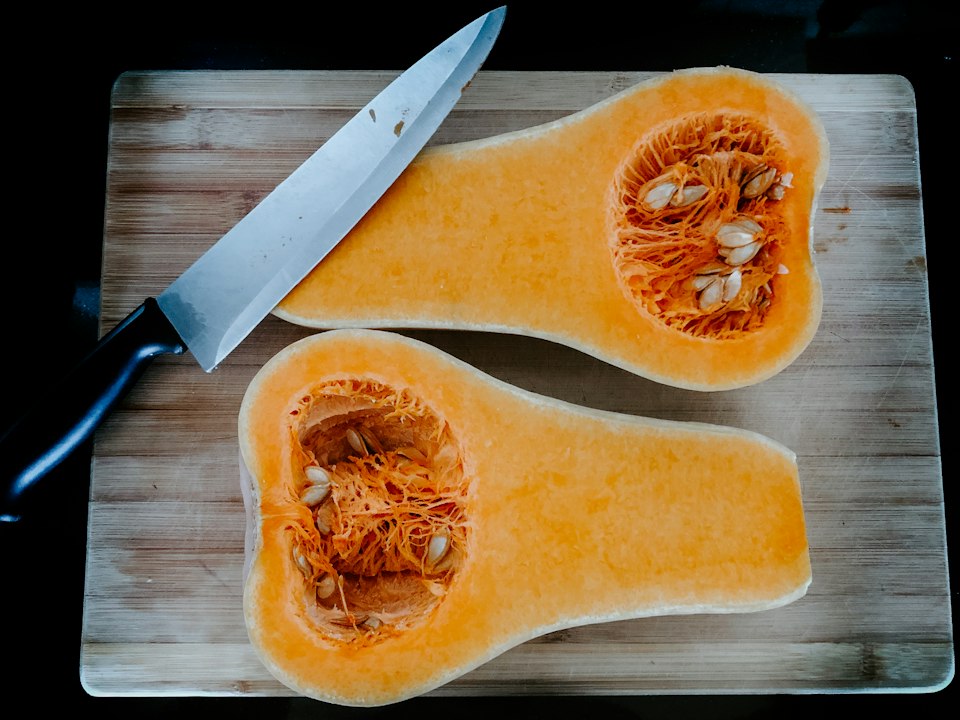
Winter squashes such as butternut, acorn and kabocha are harvested in autumn and, unlike summer squash, have thick skins that let them keep for months. They are sweet, inexpensive and the base of our roasted butternut squash soup.
Choosing a squash
- Heavy for its size: a dense squash has more flesh and less moisture loss.
- Matte, firm skin: a dull finish usually means the squash is fully mature. Avoid soft spots, cracks or mould.
- A dry, intact stem: squashes with their stem attached tend to keep longer.
- For butternut: a long, thick neck and small bulb gives the most seed-free flesh.
Storing it
Keep whole winter squash in a cool, dry, well-ventilated place, ideally around 50 to 55°F (10 to 13°C), such as a cool pantry or garage that does not freeze. Stored this way, many varieties keep for one to three months, butternut often longer. A warm kitchen counter shortens that to a few weeks. Once cut, wrap the pieces and refrigerate them; use within 3 to 4 days.
Cutting a squash safely
A hard, round squash rolling under a sharp knife is how kitchen accidents happen. Make it stable first.
- Anchor the board. Put a damp towel under your cutting board so it cannot slide.
- Trim both ends. Cut a thin slice off the top and bottom so the squash has flat surfaces.
- Separate neck and bulb. Stand the squash on its flat base and cut across where the neck meets the bulb. You now have two stable pieces.
- Peel. Stand each piece upright and peel downward with a sharp Y-shaped peeler or a knife.
- Seed and cube. Halve the bulb, scoop out the seeds with a spoon, then cut everything into even cubes.
If the squash is very hard, pierce the skin several times with a knife and microwave it for 2 to 3 minutes. The skin softens enough to make peeling easier. Let it cool before handling.
For a full guide to safe knife technique, read five knife cuts every home cook should know.
Don't waste the seeds
Rinse the seeds, dry them well, toss with a little oil and salt and roast at 325°F (165°C) for 15 to 20 minutes, stirring once, until golden and crisp.
Recipes from this article

Roasted Butternut Squash Soup
Silky vegan butternut squash soup: the squash is roasted first for deeper flavour, then simmered with onion, garlic and a little nutmeg.
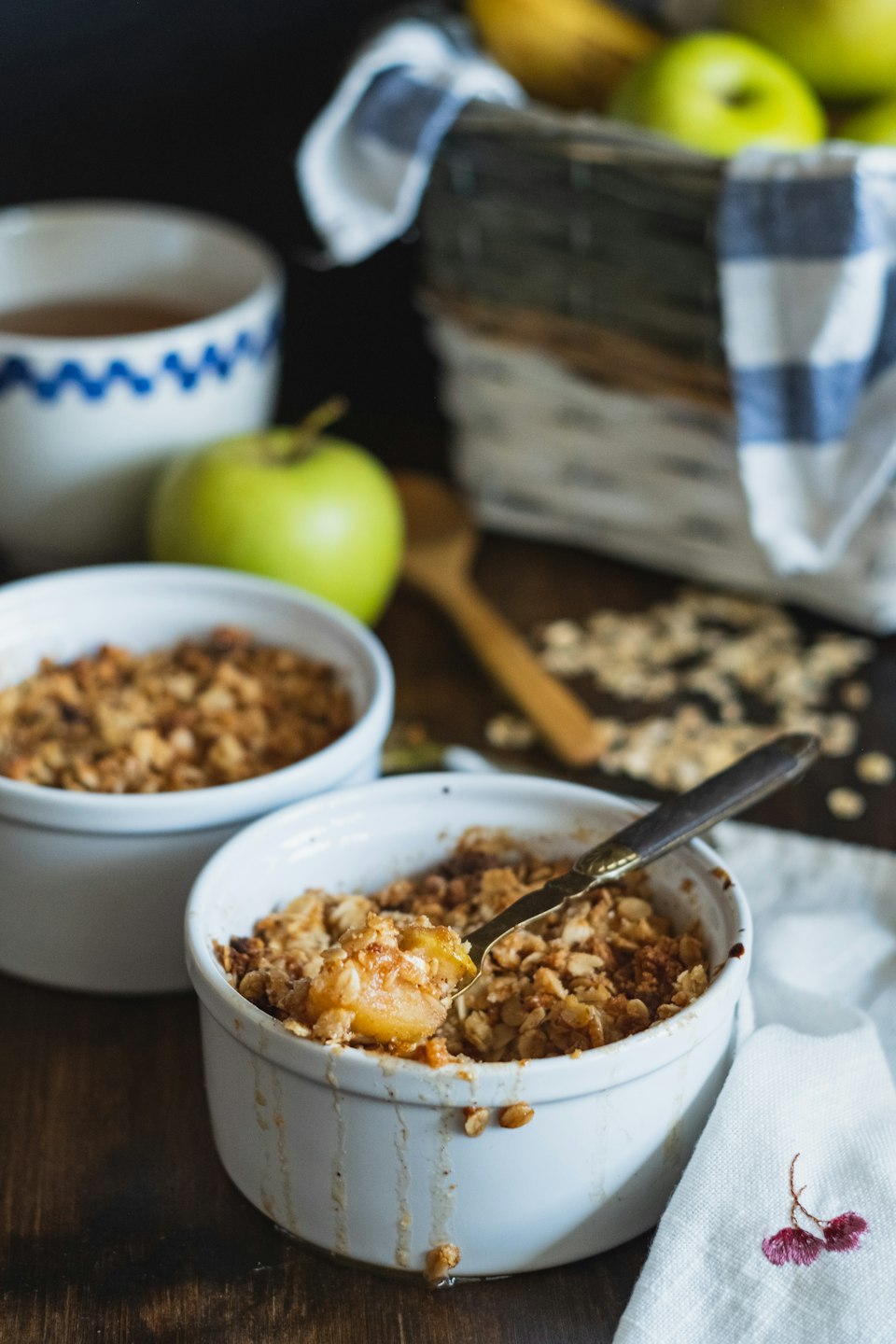
Spiced Apple Crumble
Cinnamon-spiced baked apples under a crisp oat and brown sugar topping. Serves 6; about 1 hour, mostly in the oven.
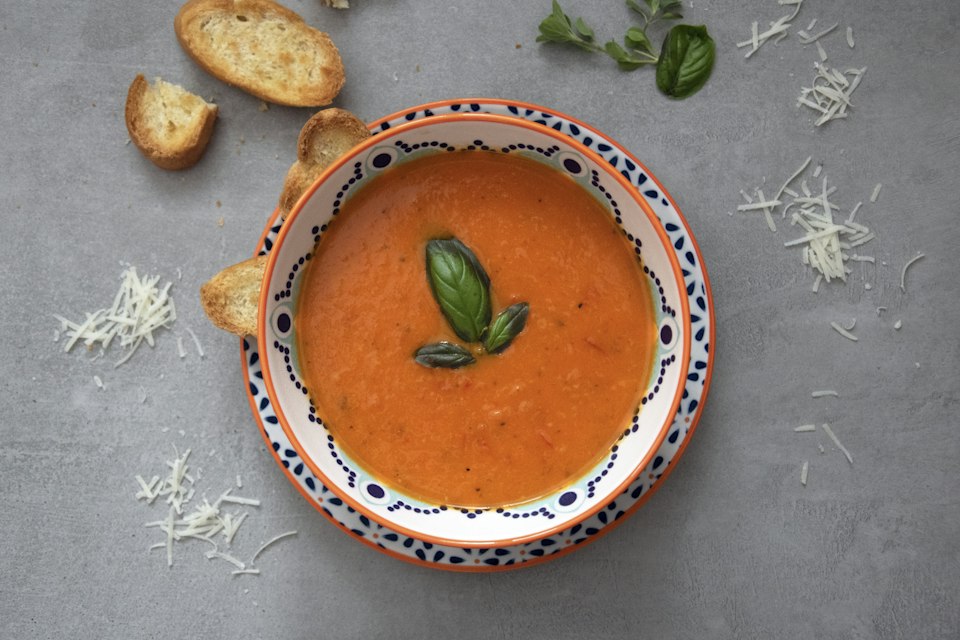
Creamy Tomato Soup
Smooth tomato soup made from canned whole tomatoes, onion and garlic, finished with cream and basil. About 40 minutes.
More from the blog
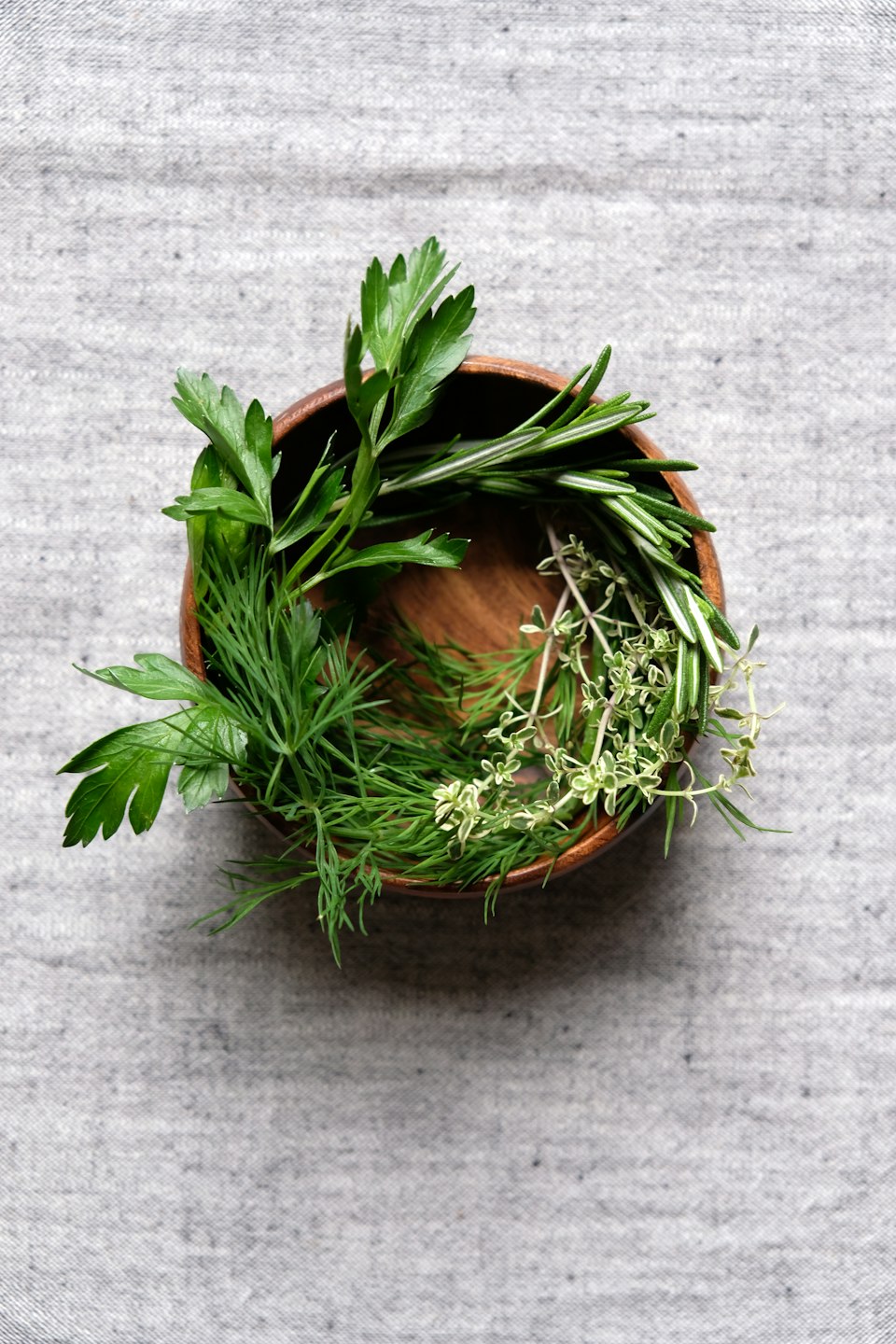
How to Store Fresh Herbs So They Last Longer
How to store fresh herbs like cilantro, parsley, basil, mint, rosemary and thyme so they stay fresh for a week or more, plus how to freeze herbs.
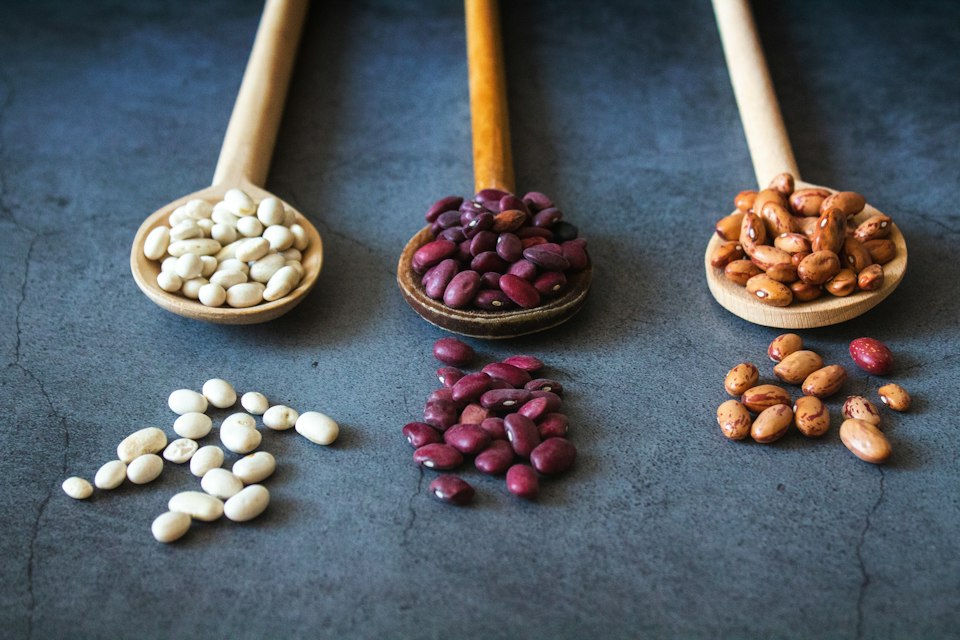
Cooking With Beans: Canned and Dried
When to use canned beans, how to cook dried beans from scratch, how much one can or one pound makes, and the safety step you should never skip with kidney beans.