Ingredients
How to Store Fresh Herbs So They Last Longer
How to store fresh herbs like cilantro, parsley, basil, mint, rosemary and thyme so they stay fresh for a week or more, plus how to freeze herbs.
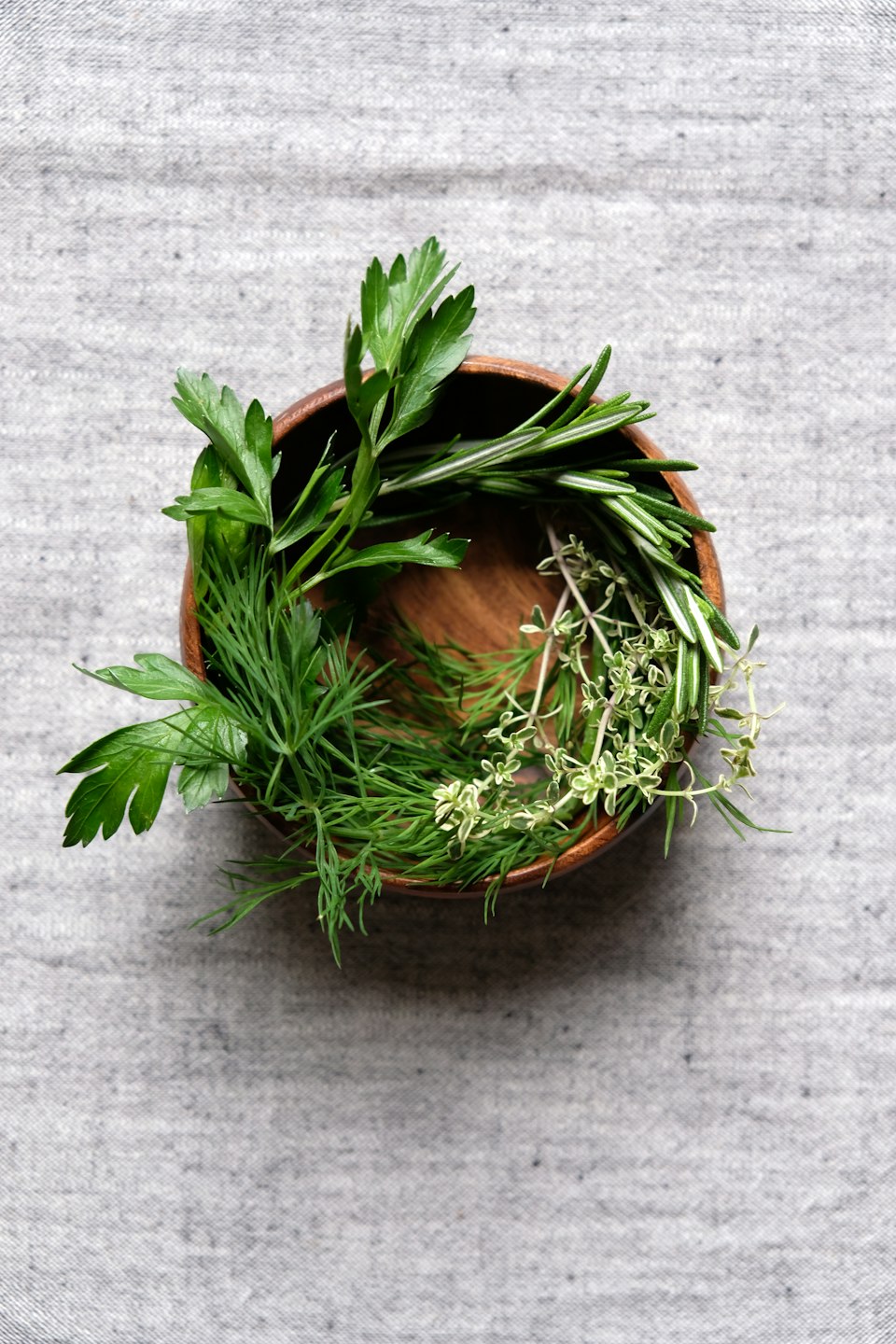
A bunch of fresh herbs can turn slimy or limp within days if it's left in its supermarket bag. The good news is that the right method keeps most herbs fresh for a week or two. How to store fresh herbs depends on whether they are tender or hardy.
Tender herbs vs hardy herbs
| Type | Examples | Best storage | Typically keeps |
|---|---|---|---|
| Tender herbs | Cilantro, parsley, dill, mint, tarragon | Upright in water, in the fridge | 1 to 2 weeks |
| Basil | Basil | Upright in water, on the counter | About 1 week |
| Hardy herbs | Rosemary, thyme, sage, oregano | Damp paper towel, in the fridge | 1 to 2 weeks or more |
| Chives | Chives | Damp paper towel, in the fridge | About 1 week |
Times vary with how fresh the herbs were when you bought them. Store-bought herbs have often been cut for several days already.
How to store tender herbs like cilantro and parsley
- Remove any ties or rubber bands and pick out yellowed or slimy stems.
- Trim about ½ inch (1 cm) from the stem ends, as you would with cut flowers.
- Stand the bunch in a jar or glass with about 1 inch (2.5 cm) of water.
- Cover the leaves loosely with a plastic bag or produce bag, which keeps humidity in without trapping wet leaves against each other.
- Refrigerate, and change the water every 2 to 3 days.
Wash herbs just before using them rather than before storing them. If they came wet, dry them gently in a salad spinner first: water on the leaves is what makes them turn slimy.
How to store basil
Basil is sensitive to cold. In the fridge its leaves quickly turn black where they are damaged by chilling. Instead, trim the stems and keep basil in a glass of water on the counter, out of direct sunlight, like a bouquet. Pinch off and use the top leaves first.
How to store hardy herbs like rosemary and thyme
- Lay the sprigs in a single layer on a paper towel that is barely damp. Wring it out well; it should feel like a cool cloth, not wet.
- Roll them up loosely and place them in a container or a zip-top bag left slightly open.
- Store them in the fridge's crisper drawer.
Woody herbs can also simply dry on the counter. Tie them in small bunches and hang them in a dry spot out of the sun for 1 to 2 weeks, then store the leaves in a jar.
How to freeze fresh herbs
Freezing is the best way to save herbs you can't use in time. Frozen herbs lose their crispness, so use them in cooked dishes, sauces and soups rather than as a garnish.
- In oil: chop the herbs, pack them into an ice-cube tray, cover with olive oil, and freeze. Pop the cubes into a labelled bag. Drop one straight into a hot pan or a pot of soup.
- In water: the same method with water works for herbs going into soups and stews.
- Whole: hardy herbs like rosemary and thyme freeze well whole in a bag; strip the leaves straight from frozen.
Use frozen herbs within about 3 to 6 months for the best flavour. Keep herbs frozen in oil in the freezer and cook with them straight from frozen; don't store garlic- or herb-infused oil at room temperature.
Fresh vs dried herb conversion
If you run out, use 1 teaspoon of dried herbs in place of 1 tablespoon of chopped fresh herbs. Dried herbs are more concentrated. Add them earlier in cooking so they have time to soften. The substitutes tool lists this and other swaps.
Use them up
Fresh mint is the star of our mint lemonade; dried oregano finishes a Greek salad; cilantro or parsley tops shakshuka. Leftover herbs are perfect for a herby homemade vinaigrette, and for chopping them finely, see five knife cuts every cook should know.
Recipes from this article
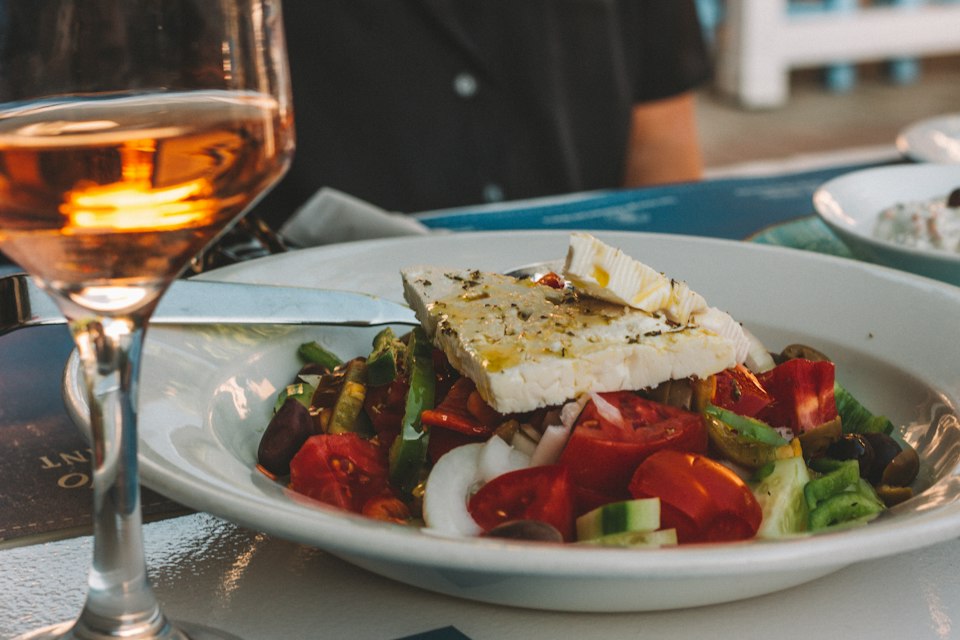
Greek Salad (Horiatiki)
The classic Greek village salad of ripe tomatoes, cucumber, pepper, red onion, olives and a slab of feta, dressed with olive oil and oregano.

Fresh Mint Lemonade
Homemade lemonade made with fresh lemon juice and a mint-infused simple syrup. Makes about 6 cups.

Shakshuka
Eggs gently poached in a cumin-and-paprika spiced tomato and pepper sauce. A one-pan breakfast or dinner in about 35 minutes.
More from the blog
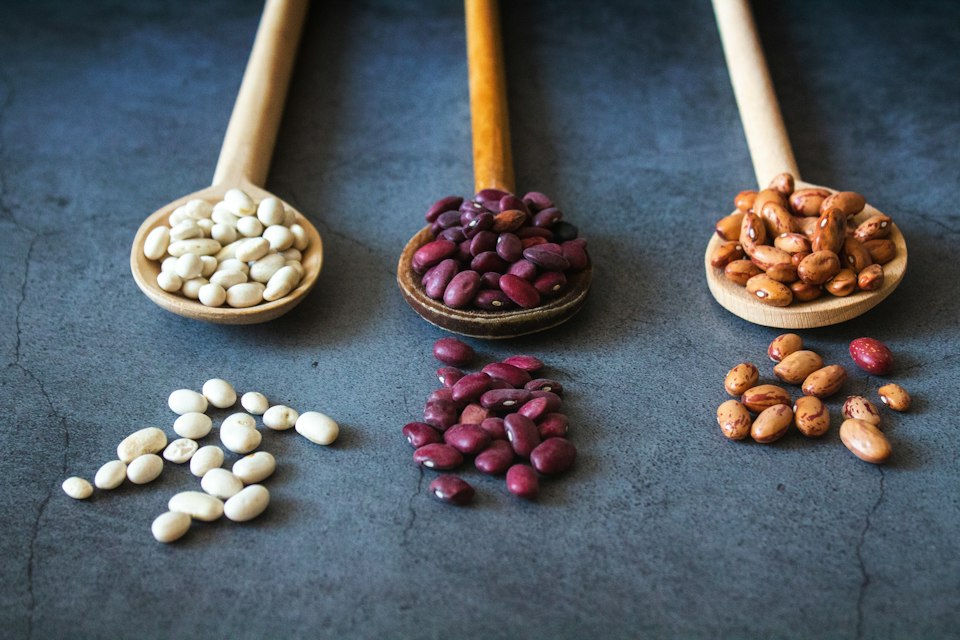
Cooking With Beans: Canned and Dried
When to use canned beans, how to cook dried beans from scratch, how much one can or one pound makes, and the safety step you should never skip with kidney beans.
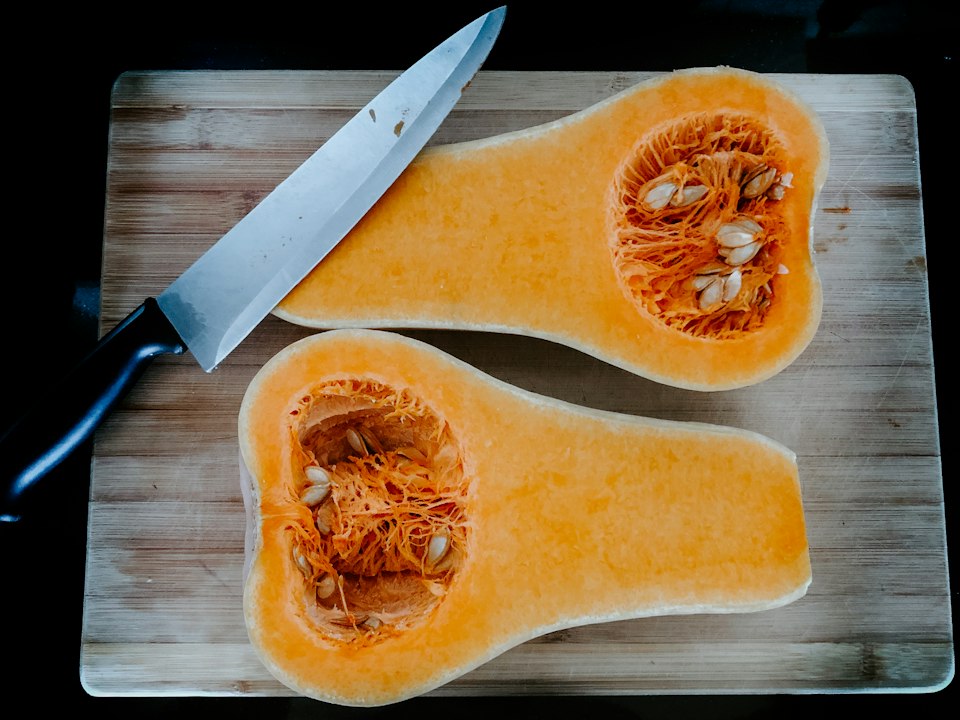
Winter Squash: Choosing, Storing and Cutting
How to pick a good butternut or other winter squash, how long it keeps, and a safe, step-by-step way to peel and cut a hard squash.