Technique
How to Make Vinaigrette: The 3-to-1 Formula
How to make vinaigrette at home with the classic 3-to-1 ratio, why mustard helps it emulsify, five variations, and how long homemade dressing keeps.
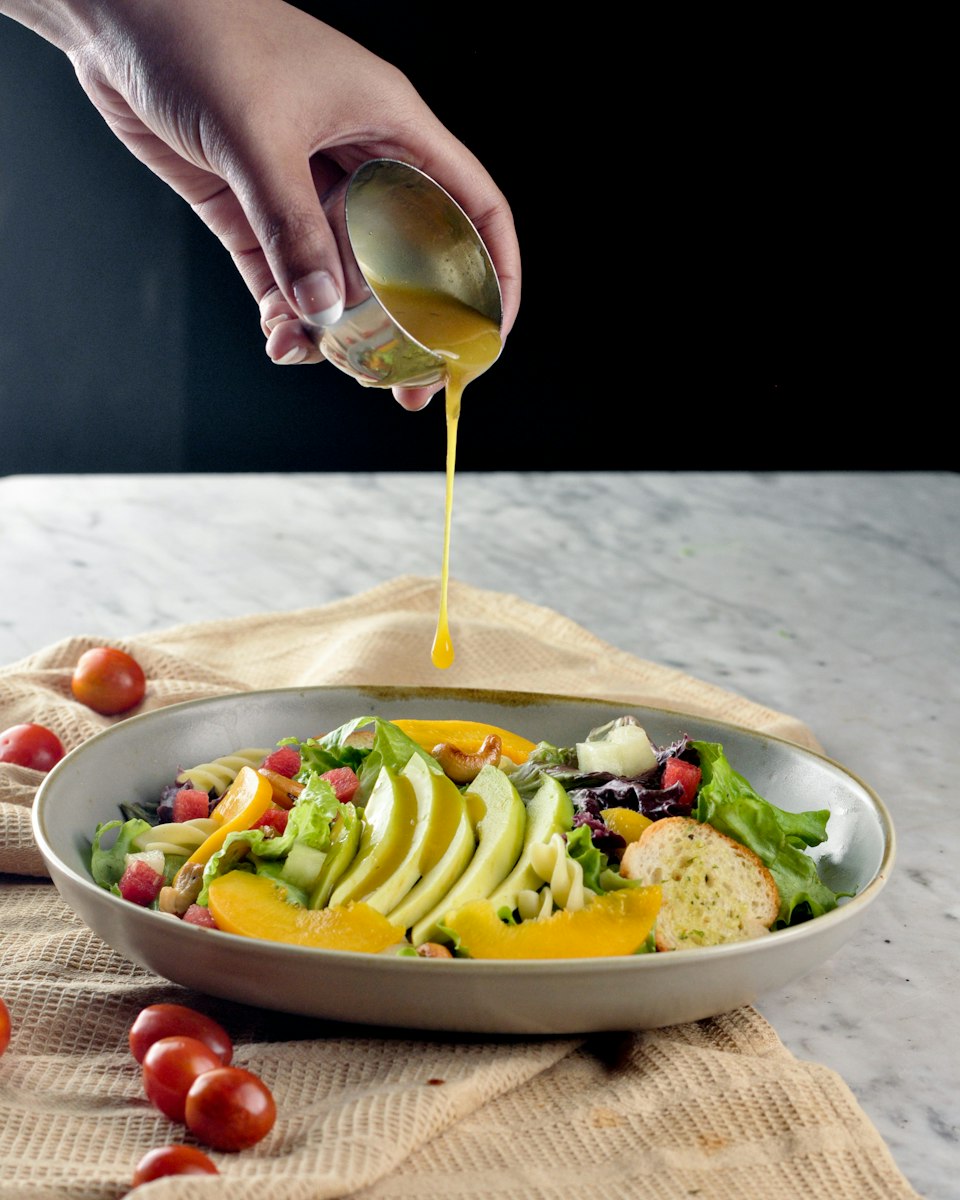
Once you learn how to make vinaigrette, you won't go back to bottled dressing. It takes two minutes, costs very little, and you can adjust it to suit whatever you are eating. It all rests on one ratio.
The basic ratio: 3 parts oil to 1 part acid
A classic vinaigrette uses three parts oil to one part vinegar. That ratio gives a balanced dressing that coats leaves without being sharp. Treat it as a starting point: with a mellow vinegar like balsamic or rice vinegar, you may want 2 to 1; for a punchier dressing, go 2 to 1 with lemon juice.
Classic vinaigrette recipe
Makes about ¼ cup, enough for a large salad for 4.
- 1 tablespoon red wine vinegar
- ½ teaspoon Dijon mustard
- 1 small pinch of salt and a few grinds of black pepper
- 3 tablespoons extra-virgin olive oil
- Optional: ½ small shallot, finely minced, or ½ teaspoon honey
- In a small bowl, whisk the vinegar, mustard, salt and pepper (and shallot or honey, if using). Let a minced shallot sit in the vinegar for 5 minutes to soften its bite.
- Whisking constantly, pour in the oil in a thin stream until the dressing looks thick and slightly creamy.
- Taste it on a salad leaf, not from a spoon. Add a pinch more salt or a few drops of vinegar until it tastes bright and balanced.
Jar method: put everything in a small jar with a tight lid and shake hard for 15 to 20 seconds. It's faster and the jar doubles as storage.
Why mustard matters
Oil and vinegar don't mix on their own; they separate within seconds. Mustard is an emulsifier: it helps tiny droplets of oil stay suspended in the vinegar, so the dressing turns creamy and clings to leaves. Honey, a little mayonnaise, or a mashed clove of garlic also help. Even an emulsified vinaigrette will separate after a while. Just shake it again.
Five variations
| Dressing | Acid | Add | Good with |
|---|---|---|---|
| Lemon | Fresh lemon juice + zest | Pinch of dried oregano | Greek salad, grilled fish |
| Balsamic | Balsamic vinegar (2:1 ratio) | ½ tsp honey | Tomatoes, roasted vegetables |
| Honey mustard | Apple cider vinegar | 1 tsp honey, 1 tsp whole-grain mustard | Chicken salads, slaws |
| Lime and herb | Lime juice | Chopped cilantro, pinch of cumin | Tacos, bean salads |
| Sesame | Rice vinegar | 1 tsp soy sauce, a few drops toasted sesame oil, neutral oil instead of olive | Noodle salads, cucumbers |
How to dress a salad
- Make sure leaves are completely dry. Water dilutes the dressing and stops it from clinging; a salad spinner is worth it.
- Dress just before serving, because acid wilts leaves.
- Use less than you think: start with about 1 tablespoon per 2 cups of leaves, toss well with your hands or tongs, then add more if needed.
- Season the salad too. A pinch of flaky salt over dressed leaves makes a noticeable difference.
How long homemade vinaigrette lasts
A simple oil-and-vinegar dressing keeps for up to 1 week in the fridge in a sealed jar. If it contains fresh garlic, shallots or herbs, store it in the fridge and use it within 3 to 4 days; garlic in oil should never be kept at room temperature, because it can support the growth of Clostridium botulinum. Olive oil firms up when cold, so let the jar stand at room temperature for 10 minutes and shake before using.
Put it to use
The lemon variation is what we use on our Greek salad (horiatiki), the lime version suits black bean tacos, and a spoonful of any vinaigrette brightens roasted salmon and green beans. Herbs going limp? See how to store fresh herbs. Need to scale it for a crowd? Use the recipe scaler.
Recipes from this article
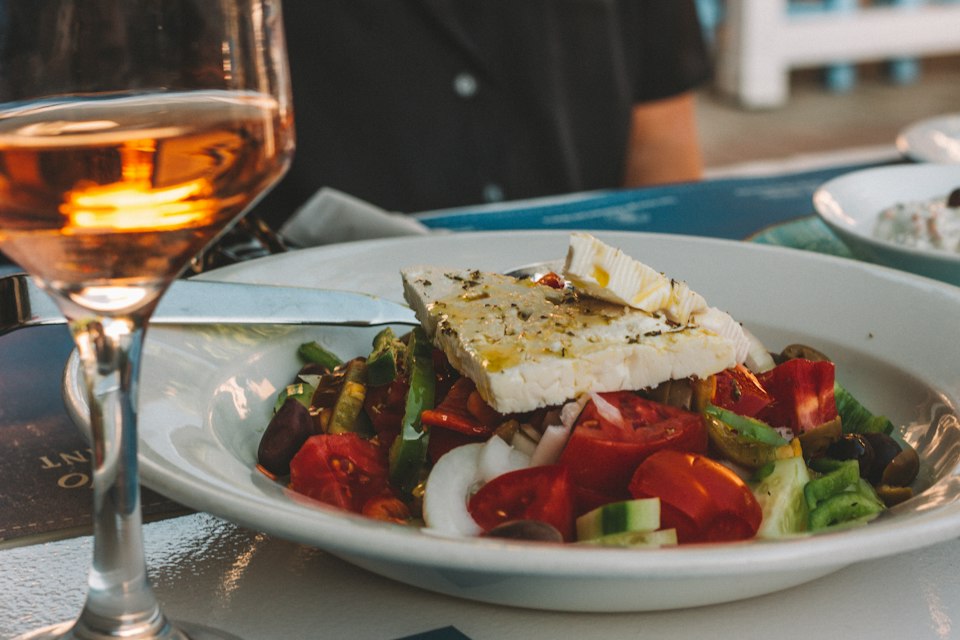
Greek Salad (Horiatiki)
The classic Greek village salad of ripe tomatoes, cucumber, pepper, red onion, olives and a slab of feta, dressed with olive oil and oregano.
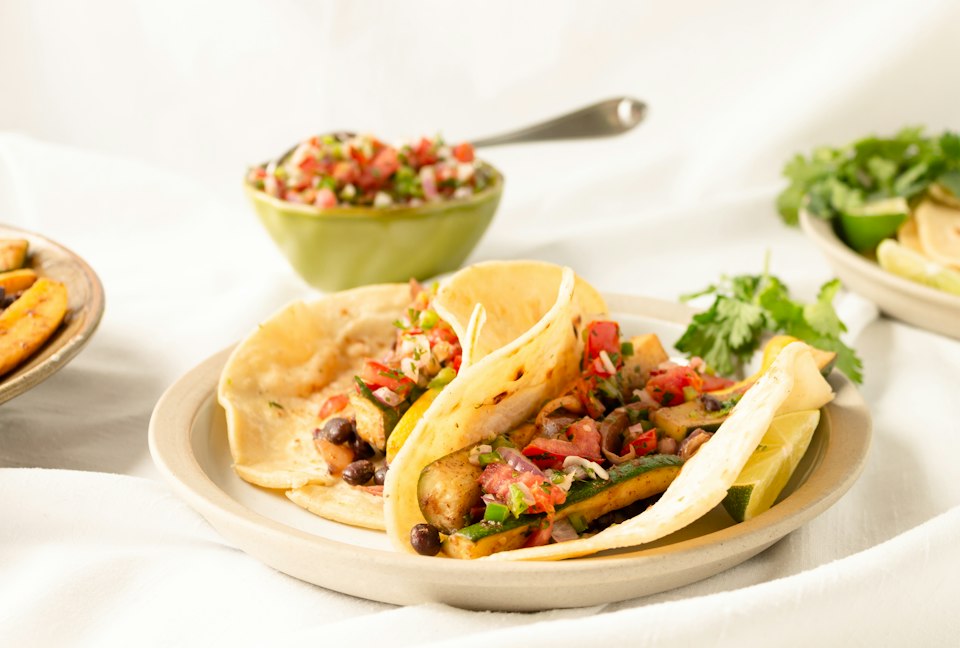
Crispy Black Bean Tacos
Pan-fried corn tortillas filled with spiced mashed black beans and melted cheese, topped with a quick lime slaw. 30 minutes.
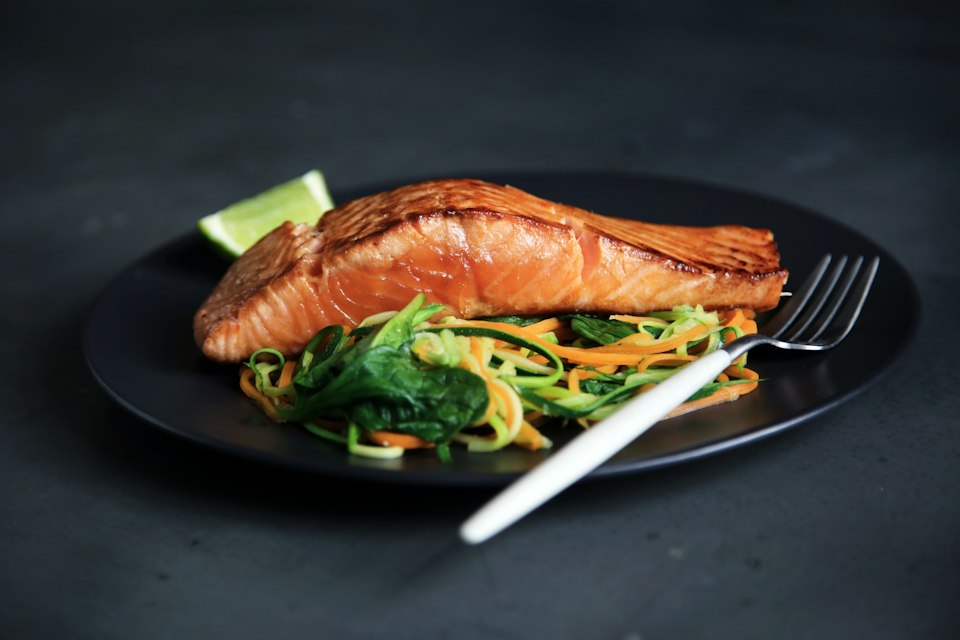
Sheet-Pan Dijon Salmon with Green Beans
Salmon fillets with a honey-Dijon glaze, roasted on one pan with garlicky green beans. On the table in about 25 minutes.
More from the blog
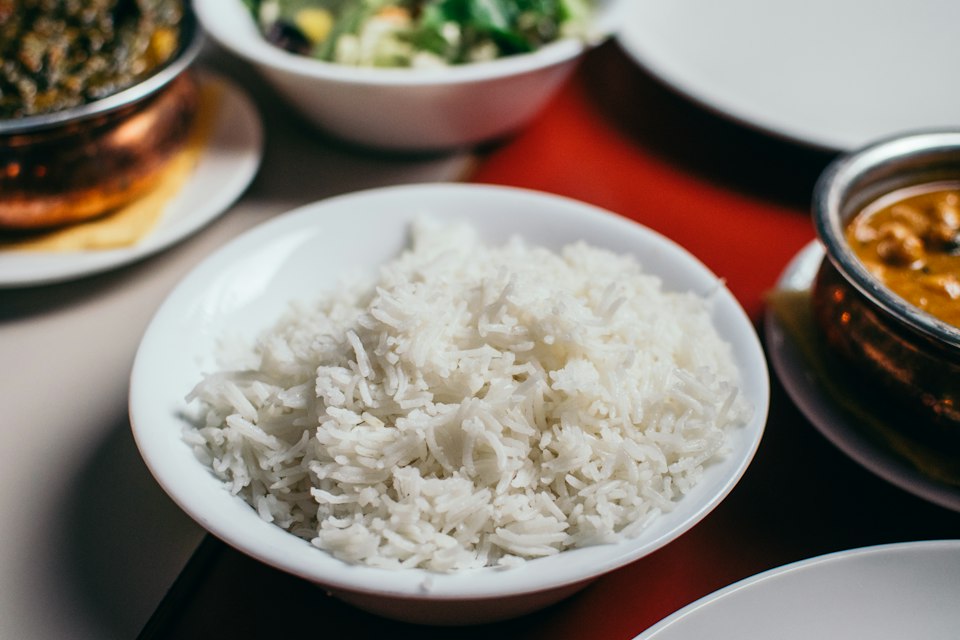
How to Cook Rice on the Stove (Fluffy Every Time)
How to cook rice on the stove: water ratios for white and brown rice, timing, why resting matters, and how to store cooked rice safely.
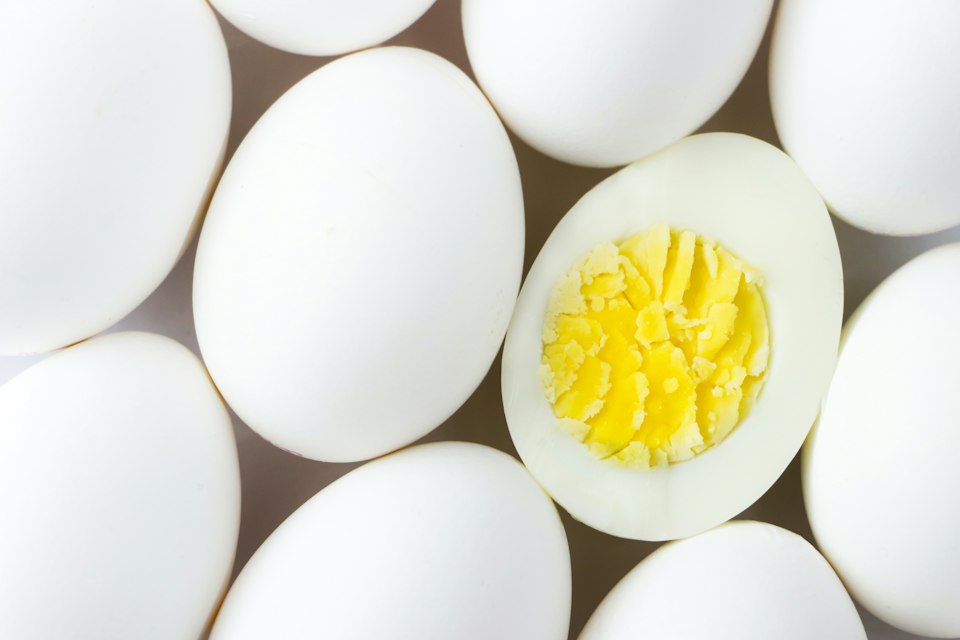
How to Hard Boil Eggs That Are Easy to Peel
How to hard boil eggs with tender whites and no green ring, two reliable methods, a timing chart for soft to hard yolks, and tips for easy peeling.